
Ready for Wall Street’s Crypto Invasion: Is Ethereum Poised to Outshine Bitcoin?

Wall Street’s long-standing avoidance of smaller cryptocurrencies is finally coming to an end. Recent U.S. legislation has established the first comprehensive stablecoin framework, barred government-issued digital currencies, and clarified how tokens will be regulated.
With these legal guardrails now in place, institutional capital is gearing up to flow beyond Bitcoin into Ethereum and a host of specialized tokenization protocols—setting the stage for a profound transformation of global finance.
Key Takeways
- Regulatory Milestones Achieved
The GENIUS Act has become law, creating clear rules for U.S. stablecoins; the Anti-CBDC Surveillance State Act and CLARITY Act are pending Senate approval, further legitimizing cryptocurrencies.
- Wall Street’s Focus: Tokenization
Heavyweights such as BlackRock and Franklin Templeton have already launched tokenized bond and money-market funds, while payment giants and banks integrate blockchain rails.
- Ethereum: The Settlement Layer
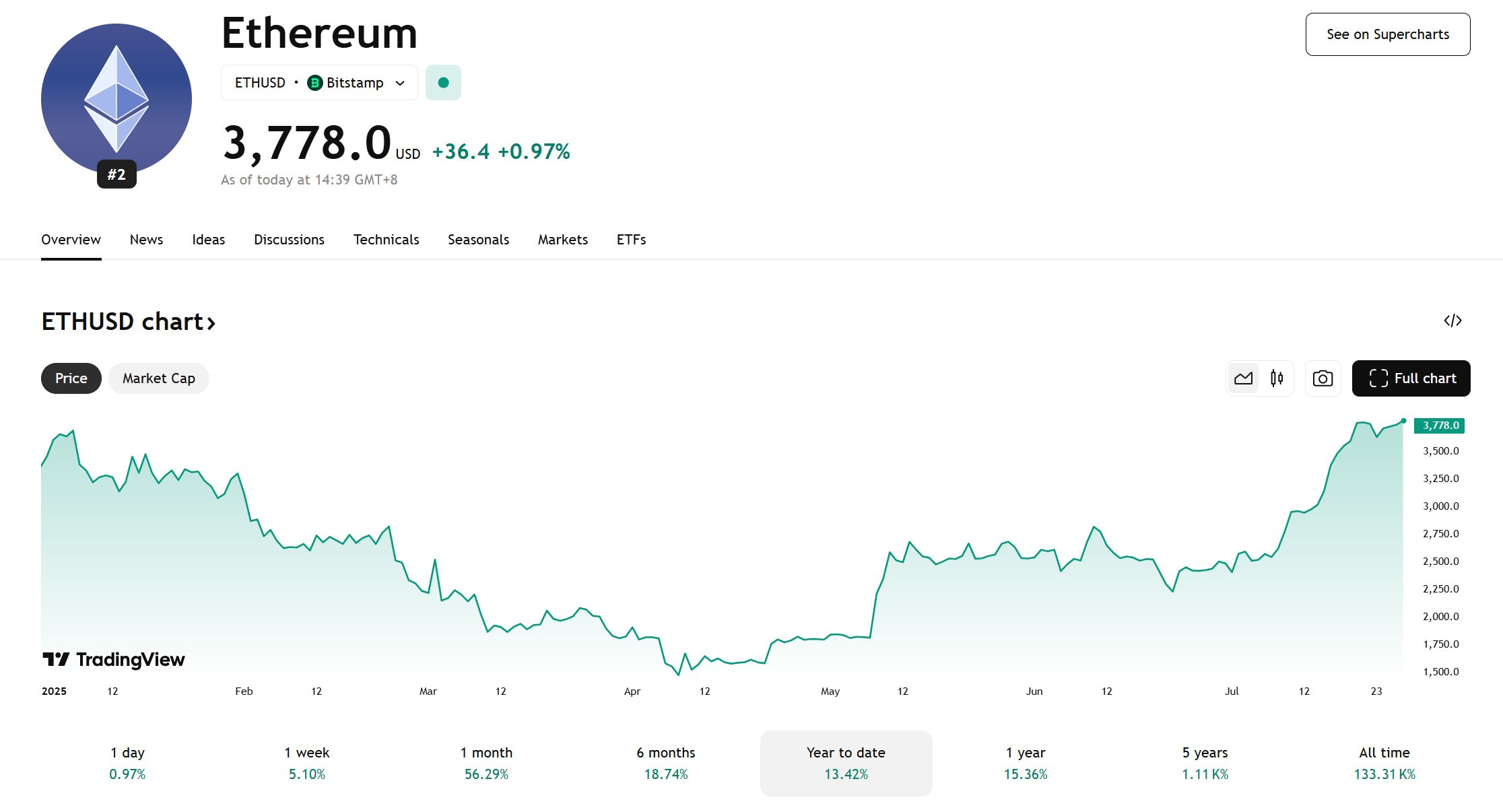
More than two-thirds of tokenized assets operate on Ethereum. Soaring transaction volumes will boost fee revenues and likely drive ETH’s valuation higher.
- Emerging Protocols in the Spotlight
Nano-cap platforms designed for on-chain bonds, real-estate custody, and synthetic derivatives remain small today but are primed for rapid growth once institutional funds diversify beyond Bitcoin and Ethereum.
How Did We Get Here?
Since its 2009 inception, Bitcoin has delivered an astonishing 40 million-fold price increase, turning modest bets into fortunes. Yet despite the crypto sector’s explosive growth—now a multi-trillion-dollar market—it still lags behind corporate giants like Microsoft.
Retail investors fueled this rally, while large institutions stayed on the sidelines, deterred by enforcement actions against banks servicing crypto firms, ambiguous regulations, limited custody options, and the looming threat of legal penalties.
What Changed in Washington?
In July 2025, Congress wrapped up “Crypto Week” by passing three pivotal bills through the House. The GENIUS Act, now law, lays out America’s first stablecoin framework.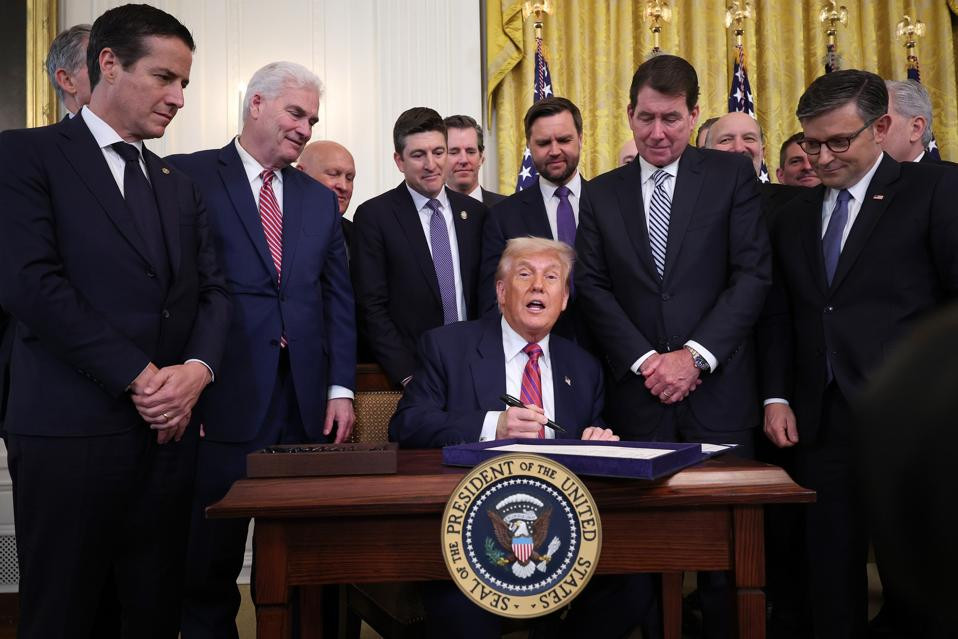
The Anti-CBDC Surveillance State Act will prohibit a government-issued digital dollar, and the CLARITY Act will settle longstanding questions about token classifications under securities laws.
By dispelling regulatory uncertainty and extending legal protections to crypto projects and investors alike, these measures remove the primary obstacles that kept Wall Street at arm’s length.
Why Tokenization Is Wall Street’s Next Frontier
Blockchain’s transformative promise lies in disintermediation. Stablecoins already showcase this by enabling cross-border transfers of tens of thousands of dollars in seconds for fractions of a cent—circumventing Western Union, PayPal, and traditional banks.
With over $250 billion in stablecoins circulating—surpassing the physical supply of the Canadian dollar or British pound—this “digital dollar” is merely the opening act. The true prize is tokenizing equities, bonds, real estate, commodities, art, and more—assets valued at over $250 trillion globally.
By converting these into instantly transferrable, fractionable tokens on public blockchains, the industry can unlock unprecedented liquidity and efficiency.
Who’s Leading the Charge?
Global asset manager BlackRock has already rolled out a tokenized U.S. Treasury fund, with Franklin Templeton following suit for its money‑market fund. Robinhood now offers tokenized shares of private startups in Europe.
Financial behemoths such as Visa, JPMorgan, PayPal, UBS, and the Bank of New York Mellon are embedding blockchain into their core operations. Even sovereign entities like Dubai have tokenized entire buildings.
Each on‑chain transaction generates fees for the underlying protocols, and as trillions in traditional assets migrate on-chain, fee-based revenue streams for networks could dwarf today’s crypto-only income.
Which Crypto Assets Benefit Most?
Ethereum stands at the epicenter, serving as the settlement layer for over two‑thirds of tokenized assets. As trading, issuance, and settlement volumes ramp up, Ethereum’s fee market should expand dramatically, driving demand for ETH much like Nvidia benefited from supplying GPUs to the AI boom.
Alongside Ethereum, a new generation of smaller, specialized protocols—designed for on-chain bond markets, real-estate custody, and synthetic derivatives—remain in nano-cap territory but boast focused use cases and lean development teams.
These platforms, often overlooked today, are poised for outsized gains as institutional dollars diversify into the broader tokenization landscape.
Market Implications and Strategies
With the regulatory fog lifting, institutional allocations into altcoins are imminent. Investors should secure core exposure to Ethereum as the foundational infrastructure of tokenized finance, then scout for high-quality, emerging protocols that exhibit active developer communities, strategic partnerships with traditional financial institutions, and compliance‑ready architectures.
Tracking the Senate’s progress on the Anti‑CBDC and CLARITY Acts is crucial, as their enactment will turbocharge institutional inflows and cement crypto’s place in mainstream portfolios.
Outlook: A New Chapter for Crypto
The next wave of cryptocurrency growth hinges on tokenization. As trillions of dollars in real-world assets transition on-chain, network activity and fee generation will redefine digital-asset valuations.
Investors who position themselves around infrastructure tokens like Ethereum and the rising cohort of specialized protocols stand to reap the greatest rewards from Wall Street’s long-awaited entry into crypto’s next frontier.