
Under Siege: Is the Fed Caving to Trump’s Rate Demands?

The Federal Open Market Committee (FOMC) is poised to hold its policy rate steady this Thursday, defying direct demands by President Trump. Despite months of White House critiques of Chairman Jerome Powell’s cautious stance, markets expect no cut until September 17, at the third-to-last meeting of 2025.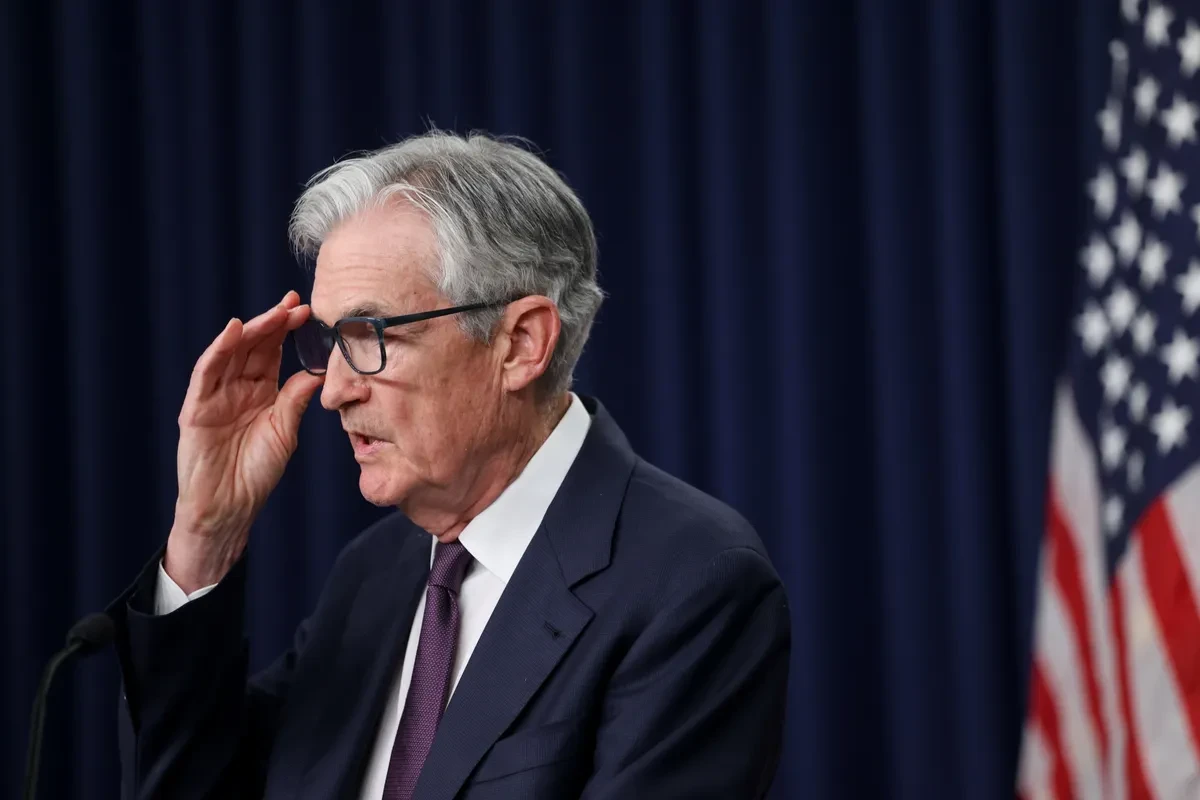
Key Points
President Trump has publicly shamed Fed leadership and even toured the $2.5 billion headquarters renovation to highlight perceived extravagance.
Governor Christopher Waller hinted he may dissent if the FOMC votes to keep rates unchanged, arguing tariffs-driven inflation risks are transitory.
Allies have filed suit demanding that the Fed’s closed meetings comply with the 1976 law, and key members of Congress are exploring amendments to the Federal Reserve Act.
Beyond pressuring Powell, Trump’s circle is marshaling lawsuits, congressional probes, and calls for criminal investigations into alleged false testimony.
How Is Trump Mobilizing Allies to Challenge the Fed?
President Trump has escalated from blistering public commentary to enlisting third parties in a “siege” on the Fed’s autonomy. Last week, he confronted Chairman Powell on the construction site of the renovated Fed campus, demanding, “Rates must come down.”
His allies, including former White House efficiency adviser partners at Azoria Capital, have filed a suit in the D.C. federal court. They seek an injunction to open FOMC deliberations, arguing the Fed’s private meetings violate the Federal Advisory Committee Act of 1976.
Florida Representative Anna Paulina Luna petitioned the Department of Justice to investigate Powell for perjury over his June testimony on project costs. Meanwhile, Pennsylvania Representative Dan Meuser is spearheading a Congressional inquiry into the Fed’s operations, though Senate interest remains tepid.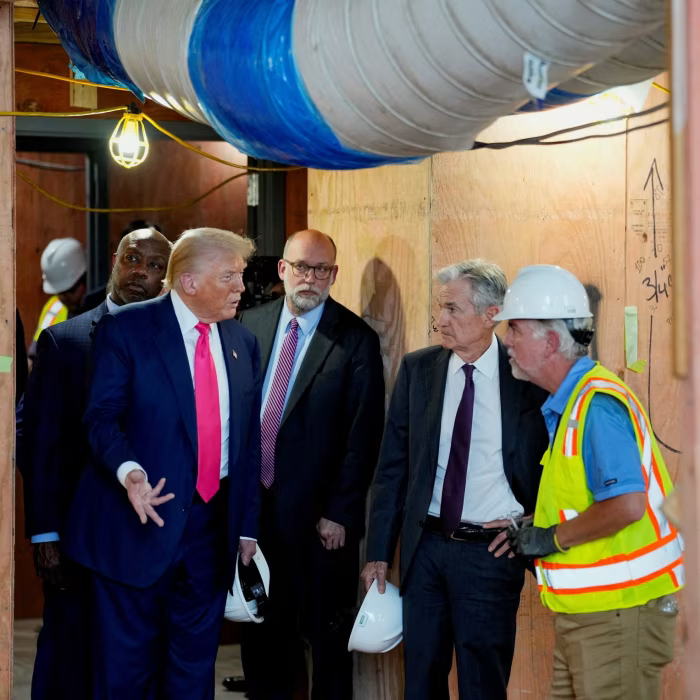
What’s Going On in Legal Battles and Congressional Maneuvers?
Azoria Capital’s litigation claims that the Fed’s closed-door policy meetings flout transparency laws by excluding the public from debates shaping U.S. monetary policy.
A federal district court could order the Fed to livestream or publish transcripts from its July and August sessions—a move unprecedented in modern central banking. On Capitol Hill, a House Financial Services subcommittee is poised to launch an investigation into “mission creep” at the Fed, targeting its non-monetary functions and staffing growth.
Speaker Mike Johnson has signaled openness to overhauling the Federal Reserve Act of 1913, though actual legislation won’t advance until Congress reconvenes after the summer recess.
Can the Fed Maintain Its Independence?
Governor Waller has emerged as the leading internal voice calling for immediate rate relief, citing the temporary nature of tariff-driven price pressures and possible labor-market softening. He warned that withholding cuts until September could harm American households.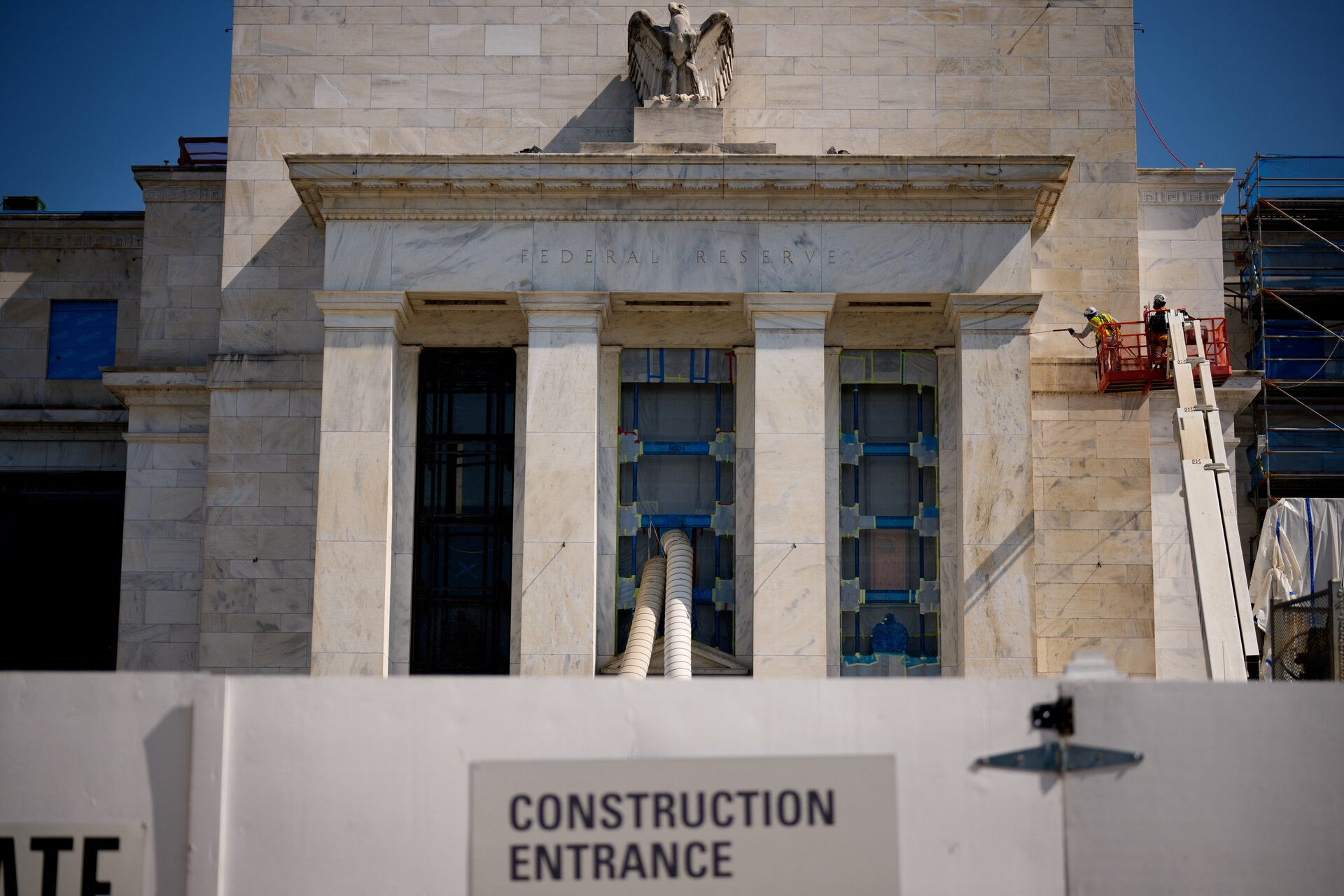
Yet most Fed officials, including Governors Mary Daly and Lisa Cook, back Powell’s call to await clearer data on inflation dynamics. They point to a robust labor market and subdued core inflation readings as evidence that premature rate reductions risk reigniting price pressures.
Regional Fed presidents have also entered the fray. Chicago’s Austan Goolsbee publicly defended Powell’s integrity and warned against politicizing monetary policy. Former Kansas City Fed President Thomas Hoenig lamented the broader campaign to undermine central-bank credibility.
Looking Ahead: Power Plays and Policy Outcomes
With Powell’s term ending in May 2026, Trump has threatened dismissal but now seems content to let the natural expiration do the work. Treasury Secretary Janet Yellen has called for a “comprehensive internal review” of the Fed’s renovation, raising the specter of broader executive scrutiny.
As the FOMC meets this week, it must weigh a barrage of external assaults against its dual mandate for price stability and maximum employment. Powell’s post-meeting press conference will be the focal point for both markets and political operatives.
If the Fed holds rates steady again, Trump’s strategy may shift to deeper legislative and legal measures. But any move perceived as bending to political will risks eroding the institution’s hard-earned independence.