
Earnings Avalanche: Are Tech Titans Preparing to Surprise—or Disappoint?

This week’s tech earnings blitz—featuring $MSFT , $META , $AAPL , $AMZN , and $QCOM —promises seismic market moves. Goldman Sachs flags a stark negative skew: beats won’t drive much upside, while misses could trigger sharp sell-offs. Retail speculation is roaring back, and surging AI capex cements artificial intelligence as the quarter’s defining theme.
Key Points
- Negative Skew in Earnings-In semiconductors and internet, strong results earn tepid reactions; disappointments lead to outsized declines.
- Volatility Gap Widens-Option‑implied moves (~±7%) vastly understate realized swings, as Texas Instruments’ 13% plunge shows.
- Crowded Semiconductor Bets-High long‑short ratios heighten sell-off risk when results falter.
- Retail Speculation Roars Back-Trading in unprofitable, low-float names hits highs outside the 1998-2001 and 2020-21 peaks.
- AI CapEx Driving Momentum-Google’s Q2 capex jumped 70% year-on-year, and Microsoft, Meta, Amazon data will follow.
What’s Behind the Negative Skew?
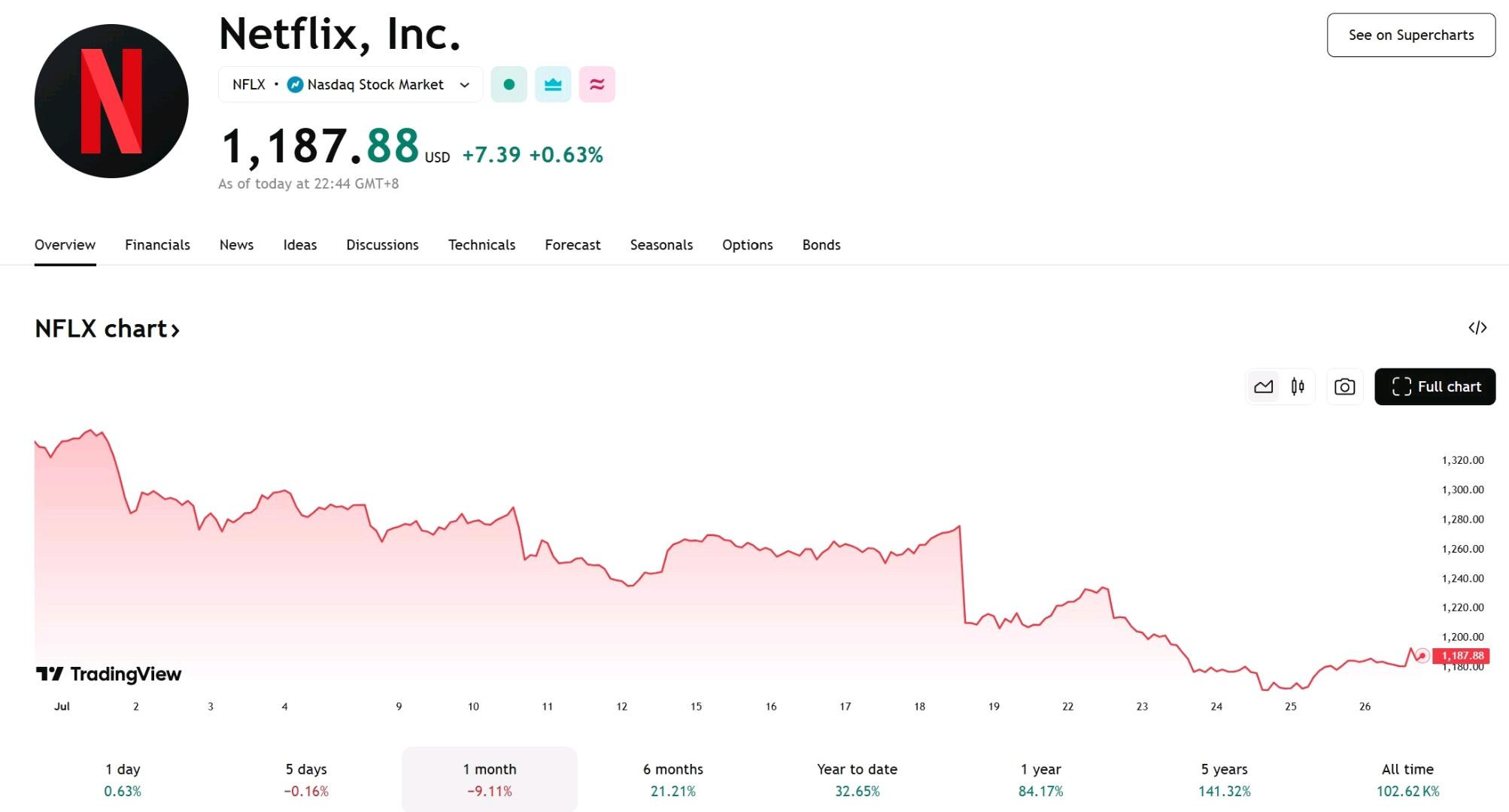
Tech, media, and telecom companies are experiencing a punishing earnings environment. $NFLX beat expectations yet saw its stock drop 5%. Google-C rallied just 2% on strong metrics. By contrast, Texas Instruments plunged 13%, nearly double its typical post-earnings swing. Investors have shown they punish misses far more than they reward beats.
Goldman’s prime brokerage data show semiconductor investors are crowded into similar positions. When one company stumbles, forced selling accelerates, deepening losses. Even with index-level volatility at multi-year lows, individual stocks are moving violently around earnings.
How Bad Can Volatility Get?
Option markets are complacent: they price this quarter’s average earnings-day swings at just ±4.7%, down from last quarter’s ±7.1%. Goldman’s Lee Coppersmith warns that widespread volatility-selling strategies have compressed implied levels across the board.
Yet realized moves are dwarfing those forecasts. Texas Instruments’ 13% drop was nearly twice any post-earnings move of the past decade. Goldman suggests using options to amplify high-conviction trades or hedge low-conviction positions in this distorted volatility landscape.
Why Are Retail Traders Flocking Back?
A speculative fervor unseen since the dot-com and COVID-bounce eras has returned. Goldman’s new retail-activity indicator—tracking volume in unprofitable, penny, and high-valuation stocks—has surged to historical highs outside 1998-2001 and 2020–21.
July’s runaway leaders include Opendoor Technologies up 354%, Kohl’s rising 61%, and Krispy Kreme jumping 48%. Momentum-chasing retail orders are driving these moves, creating crowded trades that may reverse violently on any hint of earnings or guidance weakness.
Are “Tariff‑Safe” Names Losing Steam?
Early this year, investors piled into so-called “tariff‑exempt growth” stocks, expecting them to thrive amid trade tensions. But as tariff fears ease and valuations stretch, that theme has faltered. $NFLX , $SPOT , $TTWO , and TKO Group Holdings all fell roughly 7-11% in July.
Despite this pullback, each remains up for the year, and long-term bulls argue their fundamentals justify current levels. The key will be whether these names can regain momentum when quarterly results drop.
How Solid Is the AI CapEx Story?
AI remains the quarter’s dominant investment thesis. $GOOGL ’s Q2 capital expenditures soared 70% year-on-year—far above the prior 43% pace—and it boosted its 2025 guide by $10 billion, signaling even more 2026 spending ahead.

Investors now turn to Microsoft, Meta, and Amazon’s spending figures. Strong AI capex data could overshadow soft revenue growth in ad and device segments, keeping markets bullish on the sector’s long‑term trajectory.
What to Watch in Individual Names
- Texas Instruments: Down 13% on weak guidance—its worst post‑earnings day in 25 years.
- IBM: Long-only funds remain constructive, while hedge funds press shorts, creating a liquidity-driven tug‑of
- Google: Consensus expected a strong beat, but DOJ antitrust rulings—due mid‑August—have prompted pre-earnings selling.
- MongoDB: A nine-day rally (+20%) reflects excitement around its pivot and growth story.
- Microsoft & Apple: Microsoft’s market cap jumped $650 billion YTD; Apple has become the biggest mutual-fund sell candidate, down 17% versus a 9% Nasdaq gain.
How Should Investors Position?
Goldman’s seven observations argue for caution: protect portfolios against skewed risks. Use options to hedge earnings exposure or to amplify high-confidence convictions. Monitor AI capex disclosures for upside catalysts, but beware that any miss in semiconductors or internet names could spark outsized sell-offs.
With retail speculation surging and volatility deceptively low, the coming days may deliver the most dramatic trading swings of the year.