
Wood: Robotaxi is the Ultimate AI Project, Set to Reshape the Travel Ecosystem

Cathie Wood, founder of ARK Invest and nicknamed "Wood Sister," is celebrated for her sharp insight into disruptive innovation and bold investment moves.
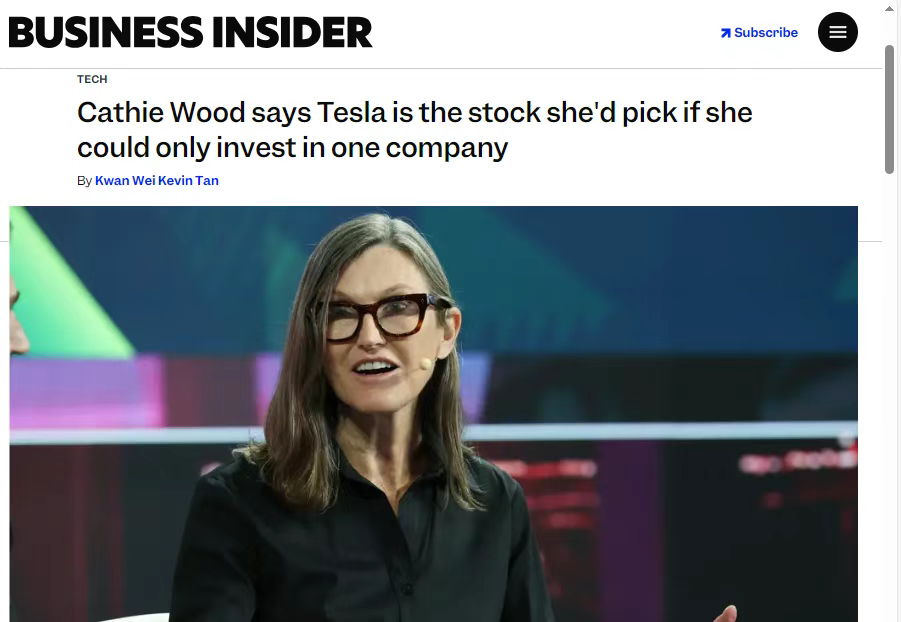
Her flagship fund, the ARK Innovation ETF (ARKK), achieved an impressive 358% return from 2014 to 2020.
Despite recent tech stock volatility weighing on performance, her forward-thinking framework for picking disruptive innovation targets remains a key market indicator.
In 2025, Wood has doubled down on Tesla, viewing it as “the most profound AI company” rather than a traditional automaker.
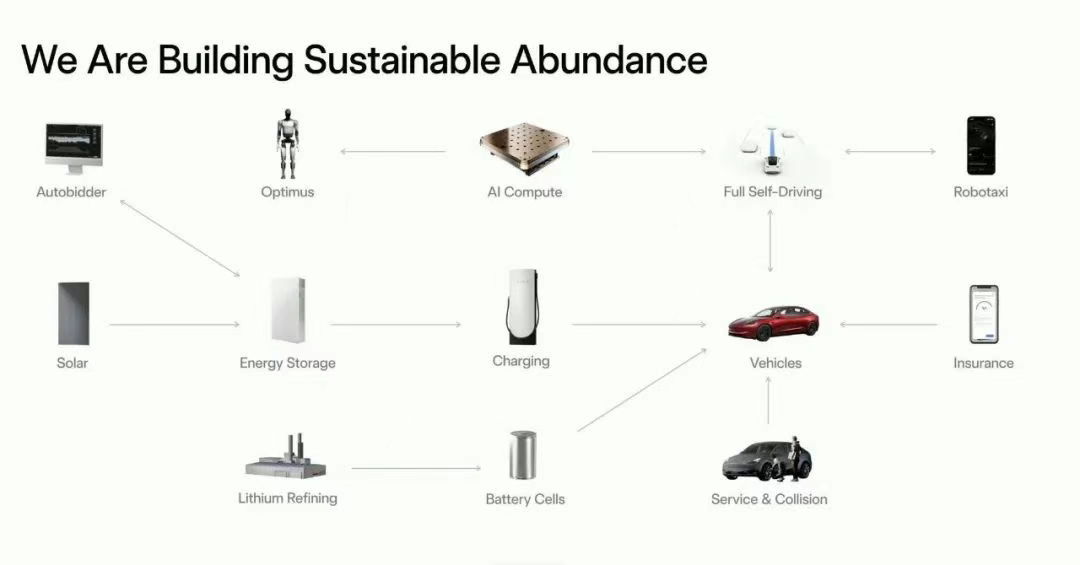
To Wood and her team, Tesla is not just a portfolio standout but a textbook example of innovation convergence.
What is the Ultimate Consumer Device in the AI Era?
AI represents the greatest technological disruption in history—not just a standalone platform but the core engine driving all other innovations. AI models are essentially the new operating systems. We are shifting from multi-touch interfaces to natural language input.
Wood’s team began pondering early on what the ultimate consumer device in the AI era might be, and the answer could be an autonomous vehicle. Currently, Apple’s AI strategy seems relatively weak, facing the challenge of rebuilding its operating system from the ground up to adapt to this shift.
Why Does Wood’s Team Favor Tesla?
The future will see the fusion of various technologies, with AI at the center. For AI, the true competitive advantage lies in proprietary data. Wood believes the largest AI project on Earth today is undoubtedly Robotaxi.
Tesla’s future value doesn’t stem from electric vehicles themselves—a car is a one-time sale—but from the transformative Robotaxi network behind it.
Wood’s team predicts that within 5-10 years, the entire ecosystem tied to the Robotaxi network could generate an astonishing $8-10 trillion in annual revenue, compared to the current global GDP of approximately $130 trillion, signaling a pivotal impact on the global economy.
Robotaxis are essentially robots that look like cars with four wheels. Tesla integrates robotics, energy storage, and AI—technologies once developed independently but now interwoven and mutually reinforcing.
Elon Musk is the visionary who sees this technological convergence. The current period is a technological transition phase, with vertical integration as the dominant strategy, and Musk is the one mastering it.
Reexamining Musk’s layout through this lens, Tesla holds Robotaxi and robotics data, Neuralink possesses multi-omics data, and X and SpaceX each have their own proprietary datasets.
How Does ARK Invest Describe Robotaxi’s Current State and Opportunities?
In the coming years, Robotaxi penetration is expected to skyrocket, much like language models.
If you buy a new car in the U.S., you’re essentially purchasing a “mileage package,” paying $1 or more per mile for the right to travel. In contrast, Tesla’s Robotaxi service can offer rides for less than 50 cents per mile without you needing to drive.
Robotaxi will revolutionize most people’s travel choices—who would still opt to buy a car? For many, owning a personal vehicle will become unnecessary.
We estimate that the global Robotaxi market will reach $8-10 trillion in 5-10 years, with about half the market share held by network providers like Tesla or Waymo.
How Will Tesla’s Robotaxi Disrupt the Travel Industry?
Over the past century, the per-mile cost of personal car ownership has remained largely unchanged.
Robotaxi’s emergence could break this deadlock. If Robotaxi reduces costs to $1 per mile, the global market could hit $1 trillion; if it drops further to $0.25 per mile, this figure could soar to $5 trillion.
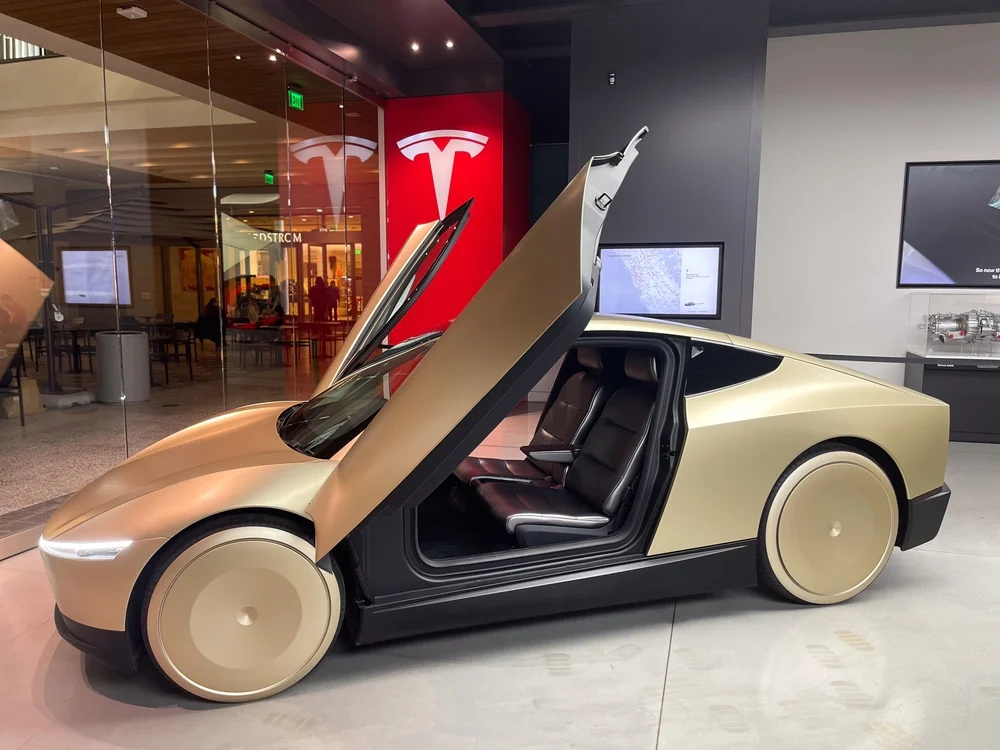
This cost reduction will unlock massive latent demand, making travel more accessible than ever. Tesla’s upcoming Robotaxi custom vehicle, Cybercab, is a critical piece in this puzzle.
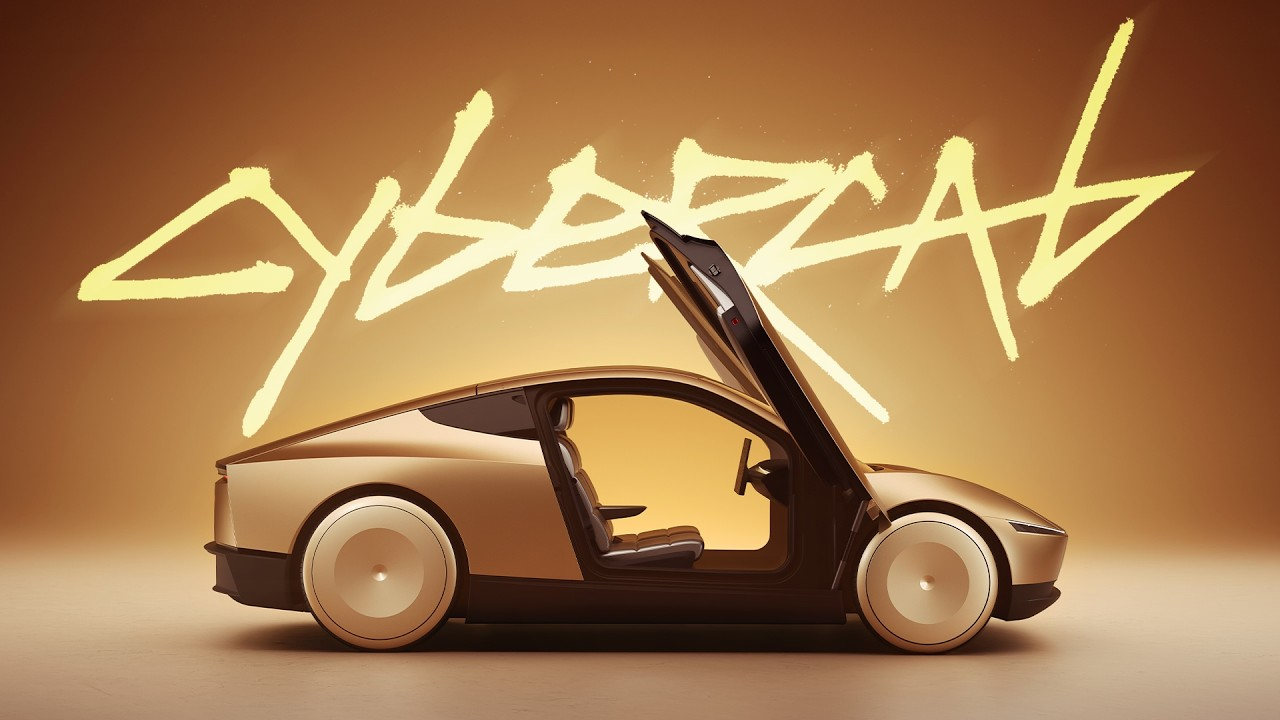
Thanks to declining battery costs, ARK Invest boldly predicts that Cybercab’s production cost could fall to as low as $15,000. Compared to competitors like Waymo, Wood believes Tesla’s per-mile operating cost will be 30-40% lower, giving it a significant edge.
Another key advantage of Robotaxi is accelerating the shift to electrification. Personal vehicles have a daily utilization rate of just 5%, while Robotaxis can easily exceed 50%, driving higher electricity consumption and faster industry transformation.
Overall, Wood’s bullish case for Tesla rests on her belief that Robotaxi will reshape the travel ecosystem.
She sees Tesla’s barriers in AI, data, and vertical integration as nearly impossible to replicate, and her long-term bet on Tesla reflects an unwavering faith in technological revolution.