
Are U.S. Non-Farm Employment Data Real?

In fact, the distortion of U.S. non-farm employment data has a long-term, irreversible, and even fatal impact on the U.S. economy.
To be fair, this issue didn't just arise after the Trump team took office; it's just that Trump's exasperation is particularly laughable.
Since the beginning of 2024, over a million job positions in U.S. non-farm employment have been revised downward. This wasn't done quietly or gradually, but rather by directly covering up the facts months after creating news that stimulated the market.
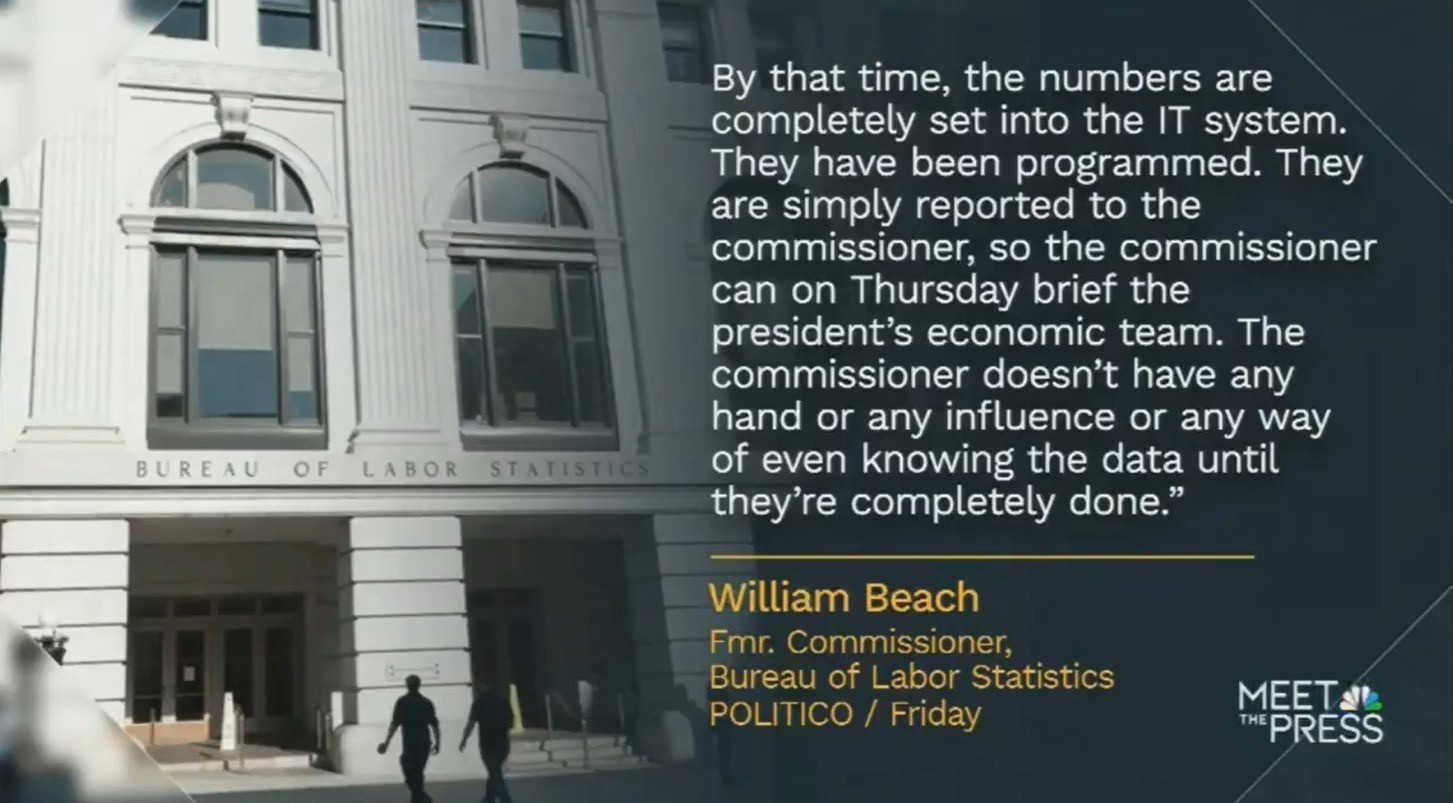
In the August 2024 benchmark revision, the U.S. Department of Labor admitted that data up to March had overstated 818,000 job positions - their second-largest revision in history.
Then they separately revised down the U.S. non-farm employment data for May and June 2025 by 258,000 positions.
So, in 2025, the average monthly increase in U.S. employment was revised down by 66,000, three times the average level in 2024 - the U.S. Bureau of Labor Statistics overreported job growth by more than 60,000 positions on average each month this year.
This is certainly not normal; this is not a minor adjustment. This is a complete falsification of facts after selling fake data to the American public and market for several months.
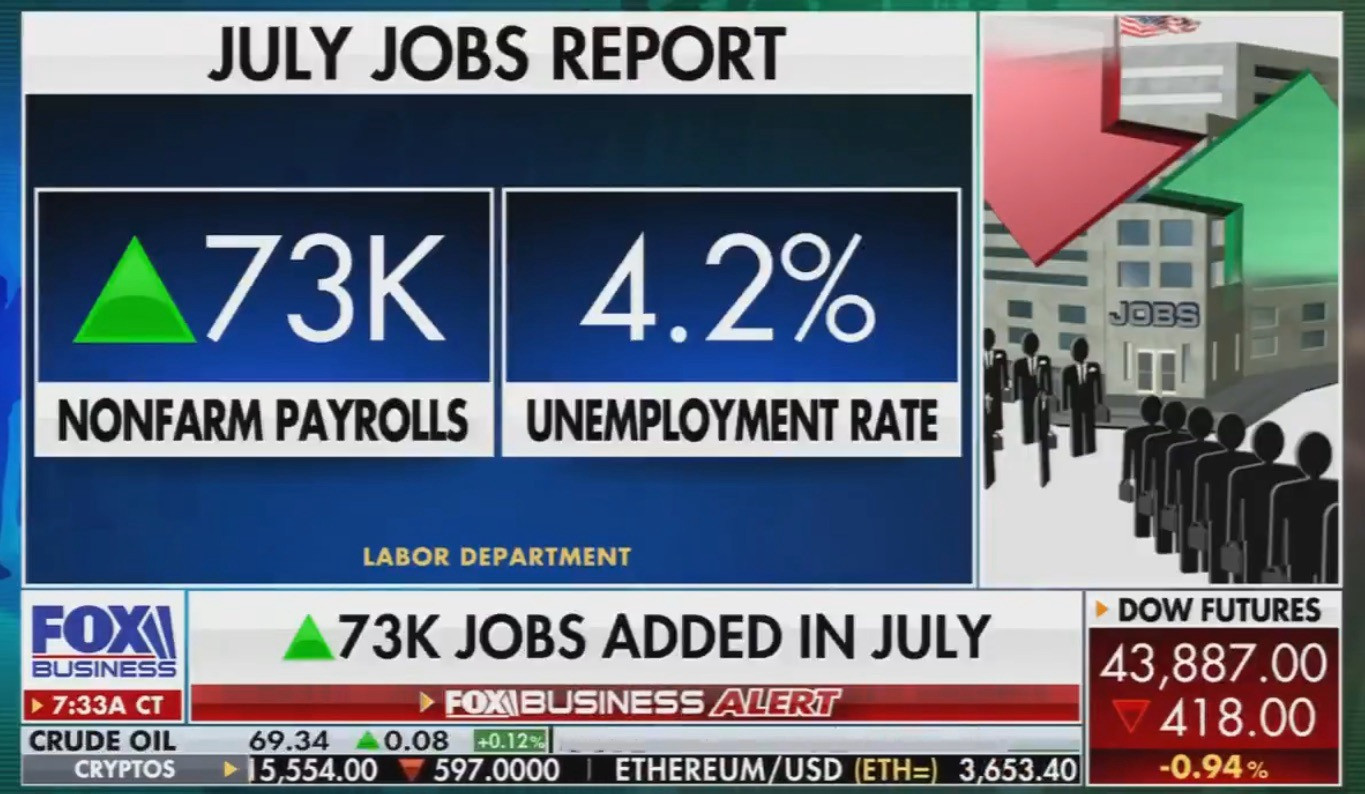
Even crazier, this isn't the full picture of how the U.S. is redefining "statistics." Many headlines about U.S. job growth have been exaggerated by models that don't reflect the real situation in the U.S., such as the notorious "birth/death model" - which estimates job positions by assuming the creation of businesses that may never exist. In a low-growth, high-interest rate environment, this model alone can inject hundreds of thousands of "ghost positions" into the data stream. Combined with seasonal adjustments, statistical illusions of the current employment statistics model, and estimates of wage inflation for non-respondents, the final employment picture often inflates economic strength that doesn't actually exist, quietly covering up weak U.S. employment data and making the numbers appear more stable than they really are - the entire U.S. statistical system is designed this way: building optimistic expectations in the early stages, until months later when no one is paying attention, these inflated numbers are quietly revised.
This is not a Republican or Democratic issue, but rather a statistical reporting system that the U.S. has established: initial data always appear strong, revisions are always downward, yet no one ever has to pay for the mistakes. The previous value of U.S. non-farm employment is called a "strong signal of the U.S. economy," while silent downward revisions are called "America's great error correction mechanism." What's truly dangerous is that the U.S. government - regardless of who is in power - pretends that this long-term misreporting is acceptable under the current U.S. system.
The American public can sense that the U.S. economic situation does not match the official narrative. When Americans lose trust in the data, their trust in the entire system collapses along with it.
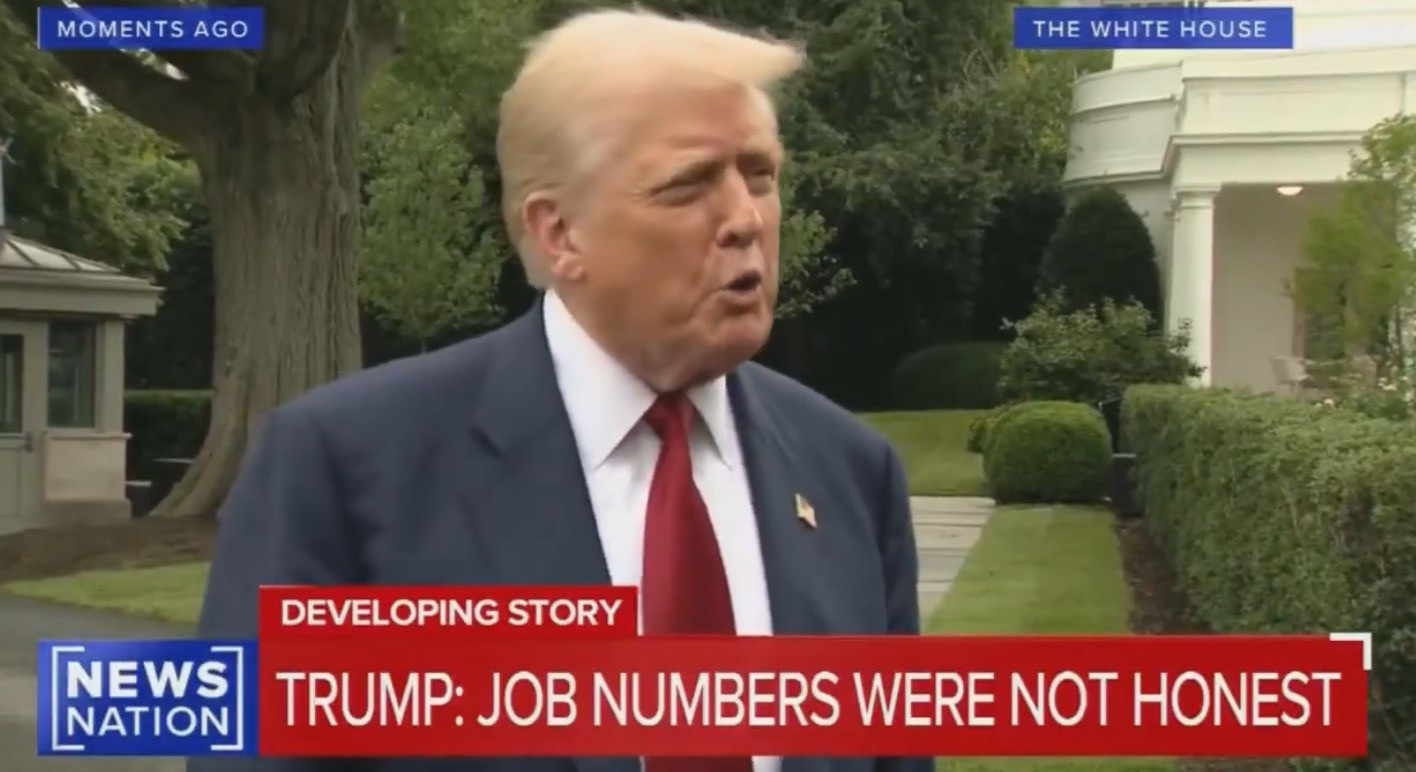
In fact, it's already collapsing. Don't think that Trump firing the head of the Bureau of Labor Statistics is a correction. If the U.S. non-farm employment statistics for the past six months had been "mistakenly revised upward" rather than "downward," would Trump have questioned or fired the head of the Bureau of Labor Statistics?
The final nail in this wave of U.S. economic data in August has been hammered: The July ISM Manufacturing Index fell to 48... New orders edged up to 47.1, but the employment index sank to 43.4. When these numbers fall below 50, it means the economy is contracting rather than growing. Historically, the decline usually doesn't stop there - the ISM index often continues to slide towards the low 40s or even 30s before bottoming out in a real economic slowdown. Therefore, there's still room for further weakness.
Economic recovery always takes time. After the ISM index bottoms out, it usually takes at least half a year, sometimes even over a year, to see growth momentum and trends that the Fed can rely on. This recovery is usually accompanied by major actions from the Fed, such as rate cuts, credit easing, or other stimuli to encourage businesses to start ordering and hiring again. But this time, the Fed is in no hurry. Powell is still watching, and the market is now unsure whether they will even cut rates in September. They seem more worried about reigniting inflation and other issues rather than economic slowdown.
The U.S. is in this awkward middle ground - the economy is clearly cooling, but the Fed still acts as if it's too early to intervene. This brings risks. If they wait too long, the economic slowdown could snowball. But if they act too quickly, they worry about being seen as having messed up on the inflation issue.
If you think the situation in the U.S. is bad now, wait until you see what happens after the Fed cuts rates. Right now, people are still clinging to false hope, thinking the Fed can turn things around through rate cuts. But rate cuts won't bring the expected relief - the result will only be rising consumer prices and long-term interest rates. Cutting rates when inflation is stubborn is like pouring gasoline on a kitchen fire - instant gratification followed by more intense flames. When people lose faith in currency, they turn to assets that can't be printed. When hope shifts from price trends to policy, U.S. market sentiment is already on the edge of a cliff.
In this situation, the real crisis for the U.S. is not whether it can print money, but whether anyone believes that the collateral for U.S. money printing can be a reliable basis for global leveraged financing. When Trump chips away at this foundation, it's no longer just a fiscal problem for the U.S.; it's the reason why the dollar issuer historically faces a "financing" crisis.
Liquidity ≠ Solvency ≠ Sustainability, this is the fundamental crisis of the Trump administration.