
Jobs Jolt: Is the U.S. Economy on Shaky Ground or Poised for Rebound?

The U.S. Labor Department’s July nonfarm payroll report delivered a jolt: 73,000 new jobs versus expectations of 106,000, accompanied by a downward revision of 258,000 positions in May and June. This drastic rollback triggered the largest single-day drop in $SPX in over two months and reignited recession concerns.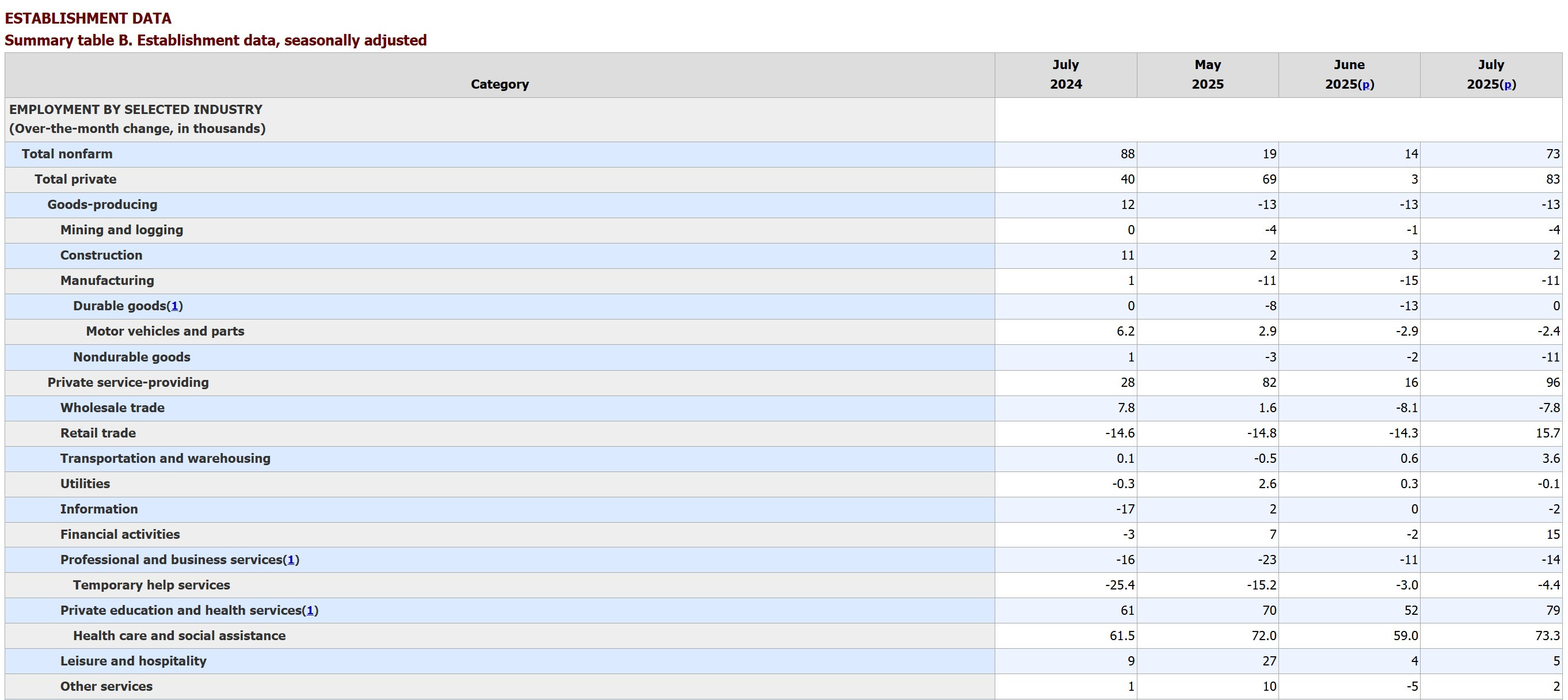
Investors swiftly repriced rate-cut bets, driving 10-year Treasury yields higher and gold prices upward. Despite heightened volatility, the underlying narrative of a cooling—but not collapsing—labor market remains intact.
Key Points
- July’s headline payroll gain of 73,000 fell 31% short of the 106,000 consensus.
- May and June revisions cut 258,000 jobs from prior tallies, far exceeding analysts’
- Private-sector hiring had already weakened, underscored by tech giants like $MSFT , $META and $AMZN conducting layoffs in H1 2025.
- Fed Governor Adriana Kugler’s unexpected resignation—a noted hawk—further fuelled market hopes for earlier rate cuts.
- CME FedWatch shows an 80.5% chance of a September 17 cut, with two trims likely by year-end.
Shock Drivers: What Triggered the Revision Wave?
The astonishing part of July’s report lay in its retrospective revisions. May’s and June’s nonfarm figures were slashed by a combined 258,000 roles, far beyond typical seasonal recalibrations. This sizeable downgrade suggests underlying data collection anomalies or rapidly shifting labor dynamics in private firms.
The private sector’s slowdown was already evident. Private-sector payrolls for June were revised down to just 3,000, an anemic figure that dovetails with widespread tech-industry headcount reductions. Major employers like $MSFT , $META and $AMZN have streamlined workforces to optimize costs amid softer demand.
Disinflation trends had signalled easing wage pressures, aligning with the downward revisions. As wage growth moderates, inflationary impulses may soften, shifting the Federal Reserve’s priority from tightening to potential easing. Yet, genuine labor-market resilience remains, suggesting the data shock may be overstated.
Market Ripples: How Are Investors Reacting?
In the immediate aftermath, the S&P 500 plunged by its steepest margin in more than two months, while the VIX spiked, reflecting surging risk aversion. Treasury yields climbed as traders bet on earlier rate cuts, and gold rallied on safe-haven and rate-cut cues alike.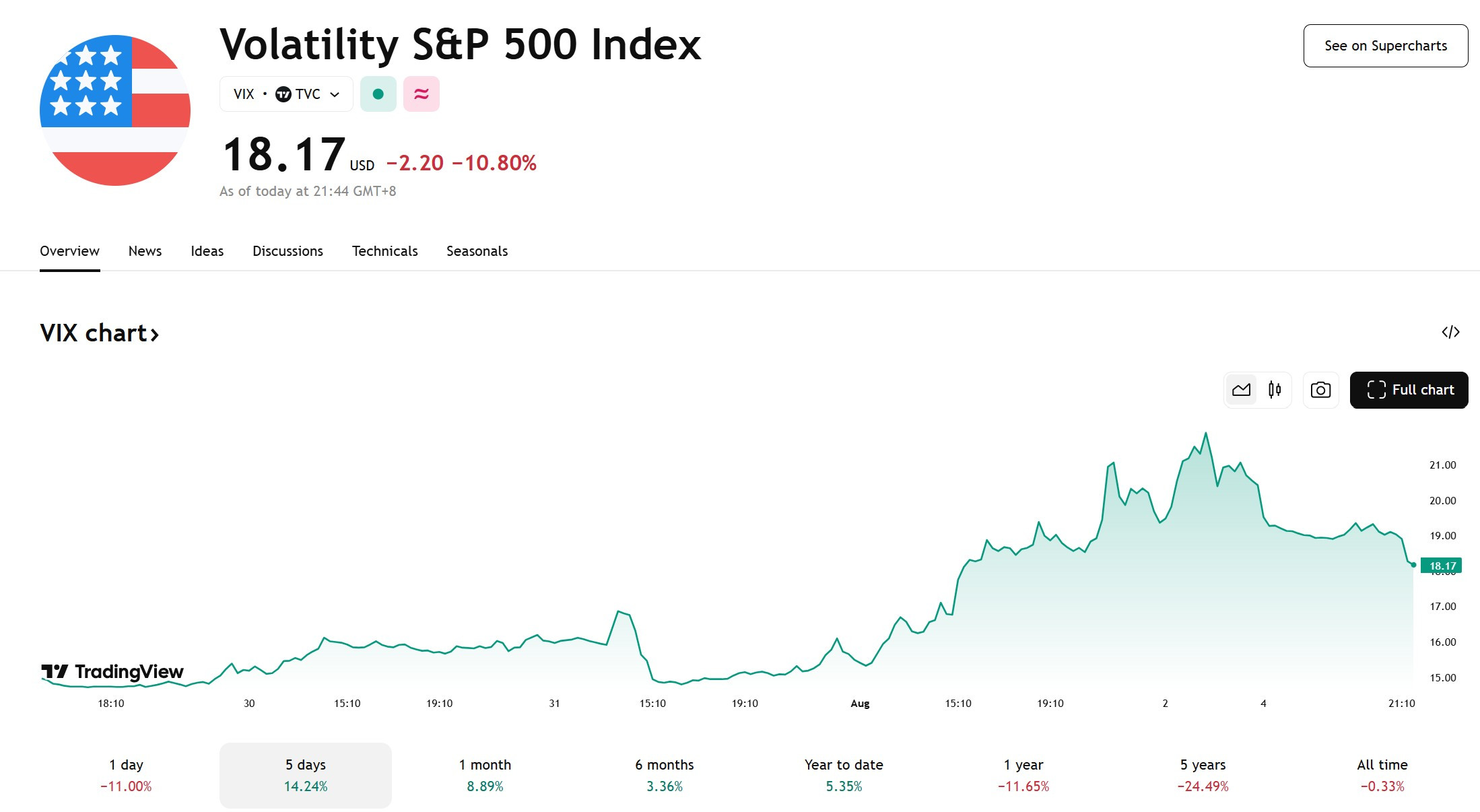
September 17 rate-cut odds surged to 80.5% on CME’s FedWatch tool, underscoring dramatic policy-expectation shifts. By year-end, markets anticipate two rate reductions, bringing the Fed funds range to 3.75-4.00%. Yet, these projections assume no outright U.S. recession through H2 2025.
Despite the knee-jerk volatility, segment-specific moves point to nuance. The Russell 2000’s outperformance versus the S&P 500 and Nasdaq before July 23 hints at sectoral divergences: smaller, domestically focused firms bouncing back ahead of mega-caps. Technicals in small-caps reversed as quickly as they floundered.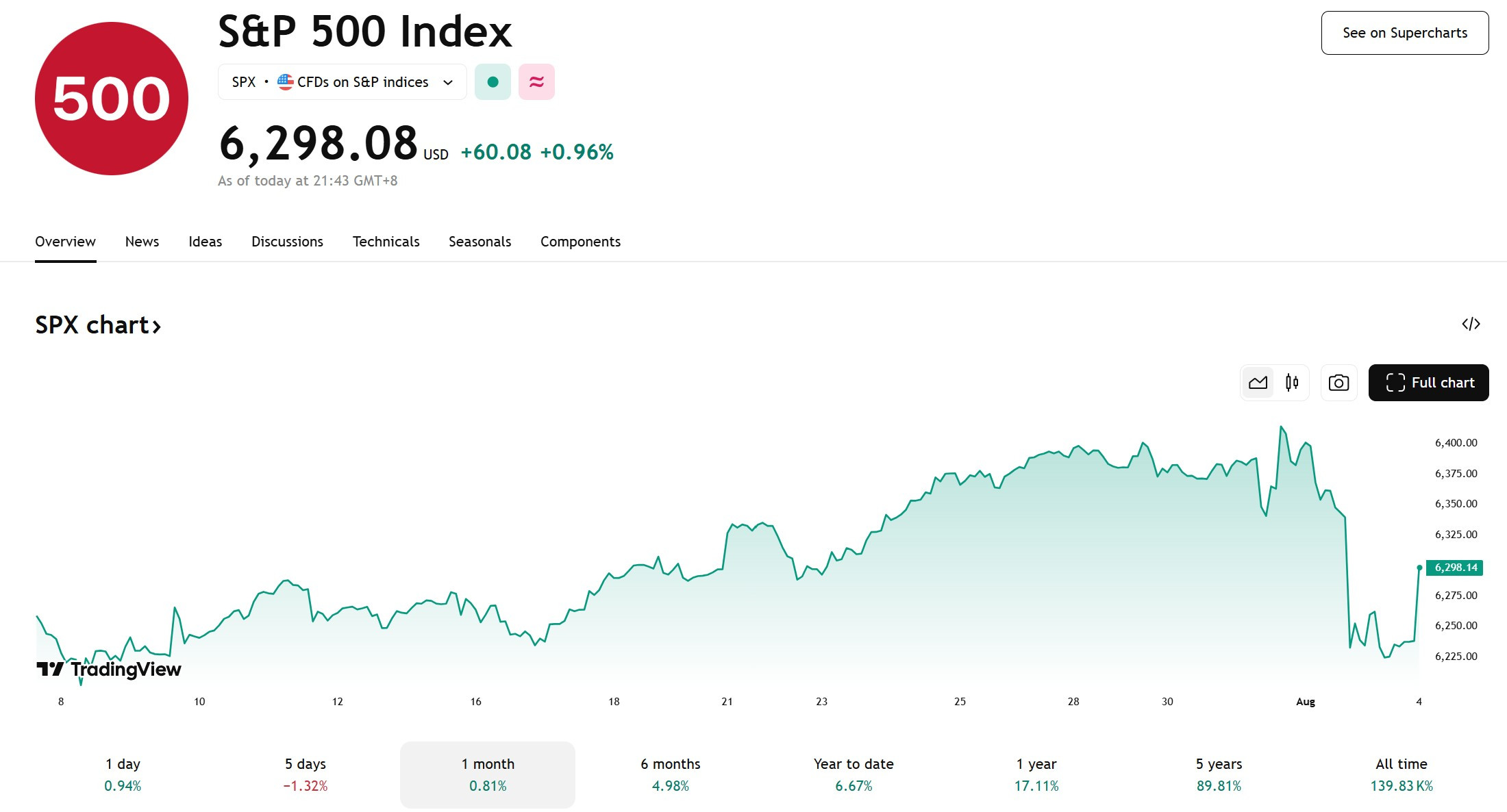
Looking Ahead: Where Do Opportunities Lie?
Technically, the S&P 500’s KDJ indicator flashed a sell signal on July 29, and the index’s July 31 peak preceded a swift retracement. Key support sits at 6,200; a hold above that level could validate a stabilizing rebound, particularly if corporate earnings continue surprising to the upside.
On the hourly ES futures chart, a break above the short-term downward trend and early MACD and KDJ buy signals hint at a nascent recovery. Fibonacci retracement levels around 6,328 (38.2%) and 6,382 (61.8%) will serve as critical resistance hurdles—clearance above them could cement the move.
Longer term, core themes remain intact. Disinflationary forces and steady earnings growth support elevated equity valuations, particularly in large-cap technology leaders such as Google, Microsoft, Meta and Apple. As the Fed navigates between cooling inflation and resilient growth, selectivity will be key.
However, caution is warranted among high-multiple, short-term names—especially those tied to speculative themes like RWA. Waiting for upcoming earnings reports from AMD and Palantir may offer clearer entry points. In a market oscillating between optimism and prudence, disciplined risk management and focus on fundamentals should guide allocation decisions.