
Trump: 100% Tariff on Chips and Semiconductors, ‘Made in USA’ Exempt!

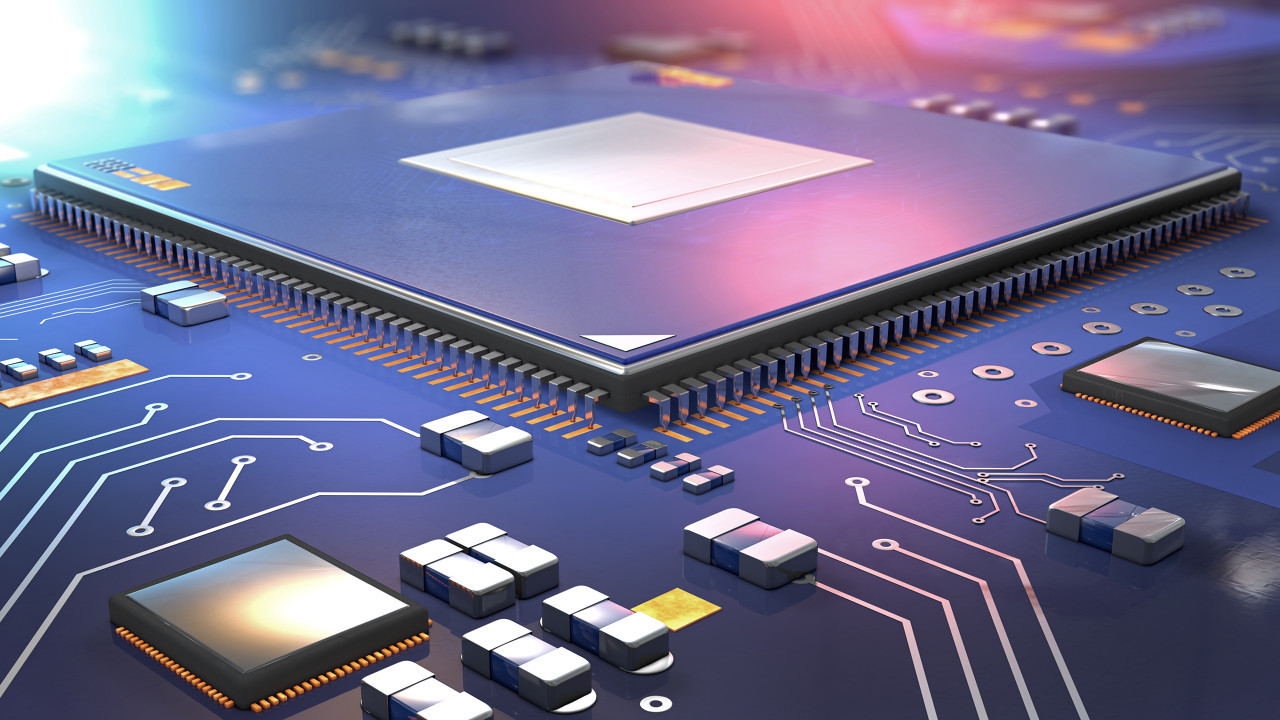
U.S. President Trump announced on Wednesday that the U.S. will impose approximately 100% tariffs on chips and semiconductors, with an exception for companies manufacturing in the U.S.
He emphasized, “If it’s made in the U.S., there will be no fees whatsoever.”
Analysts note that announcing new tariffs targeting specific industries signals Trump’s increased pressure on companies to produce in the U.S. However, details remain unclear, such as how much of a company’s production must be U.S.-based to qualify for tariff exemptions.
That afternoon, Trump made the announcement during a press conference in the Oval Office alongside Apple CEO Tim Cook. Cook revealed that, on top of the previously pledged $500 billion, Apple will invest an additional $100 billion in U.S. research and manufacturing over the next four years.
Trump stated, “We will impose very high tariffs on chips and semiconductors. But for a company like Apple, the good news is that if you build a factory in the U.S., or commit to doing so, there will undoubtedly be no charges.”
“In other words, we will impose about a 100% tariff on chips and semiconductors. But if you build in the U.S., there will be no charge,” he said.
Trump had previously indicated that tariffs on chips and semiconductors could be introduced as early as next week. These components are critical to nearly every industry. The additional tariffs could raise prices for everything from smartphones and laptops to household electronics.
Beyond Apple, several top chipmakers, including TSMC, Nvidia, and GlobalFoundries, have committed to producing some products in the U.S. According to the Semiconductor Industry Association, the U.S. has announced over 130 investment projects worth $600 billion since 2020.
Specifically, TSMC has pledged $165 billion for U.S. manufacturing; Nvidia announced in April plans to invest $500 billion over four years in U.S. AI infrastructure; in June, GlobalFoundries committed $16 billion to expand its semiconductor plants in New York and Vermont; and also in June, Texas Instruments announced a $60 billion investment to add seven chip factories in the U.S.
According to Trump, if a company commits to building in the U.S. but fails to follow through, it will face tariffs and counter-tariffs again.
Trump’s efforts to bring manufacturing back to the U.S. are clearly exhaustive. He has already imposed tariffs on automobiles, copper, steel, and aluminum, and threatened high tariffs on imported drugs. However, experts warn that import tariffs will make these products harder for Americans to afford, as rebuilding supply chains takes time.