
Fed Showdown: Will Three Rate Cuts Begin in September?

Federal Reserve Vice-Chair for Supervision Michelle Bowman told bankers she now supports cutting rates and would back starting the easing cycle in September, saying recent weak labor data strengthens the case for about three cuts this cycle.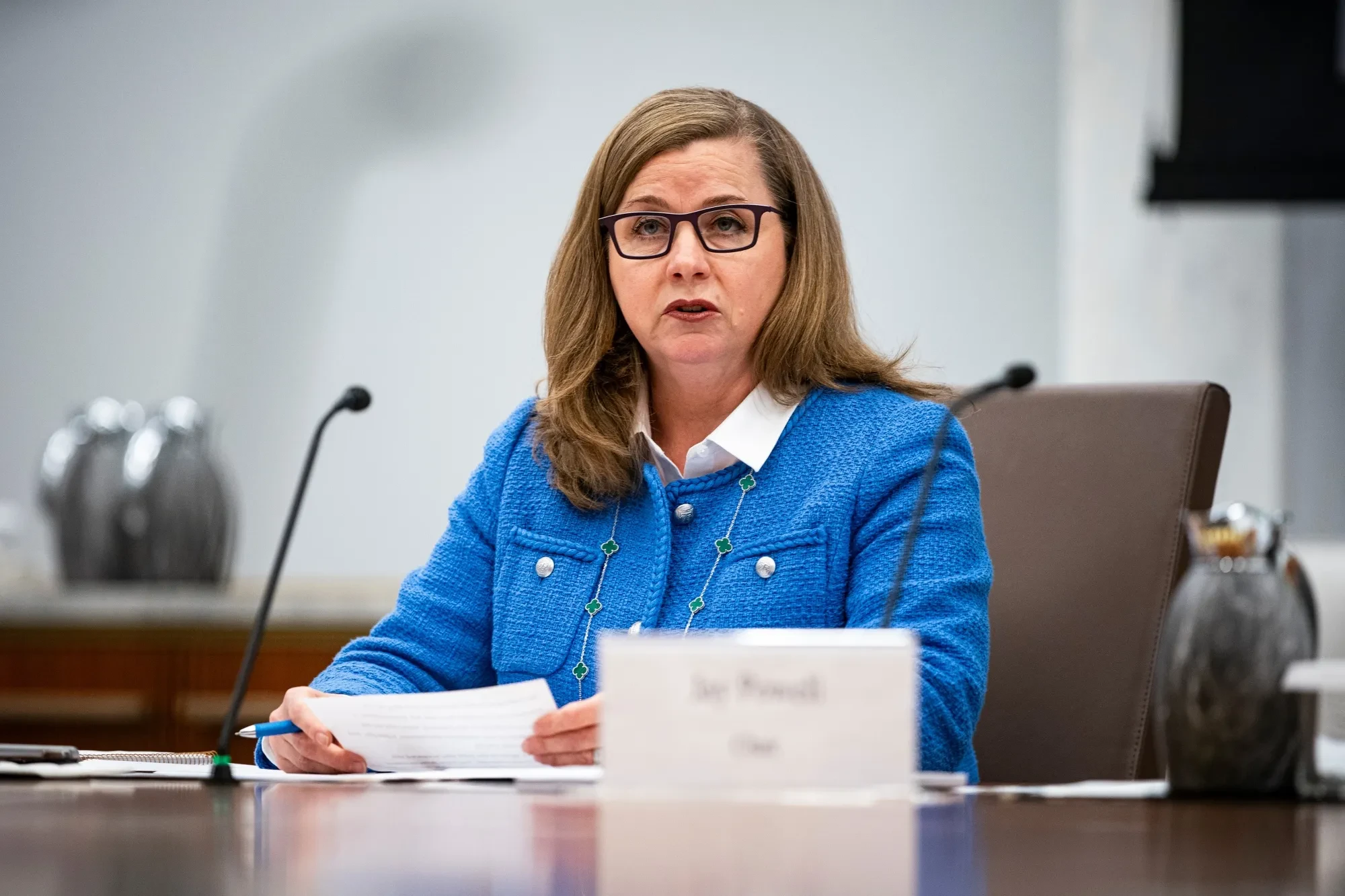
Major dealers have moved their forecasts forward —JPMorgan’s economics team now points to an early autumn cut and a string of quarter-point moves thereafter —and markets are pricing a very high probability of a September cut.
Key Points
- Bowman’s visible pivot. Michelle Bowman publicly said she supports cutting rates three times this year and urged colleagues to begin easing at the September meeting. She also announced she will host a community-bank meeting on October 9 to discuss capital rules.
- A split at the Fed. Bowman and Governor Christopher Waller dissented at July’s meeting—they voted for a 25-bp cut while the majority held rates—a rare two-way dissent that signals intra-committee friction.
- Markets and major banks moved. JPMorgan’s chief U.S. economist Michael Feroli has updated his view, bringing forward the first cut to September and outlining further quarter-point moves into the winter; futures now imply a very high chance of a September cut.
- Why the urgency? The July payroll report was soft—job gains slowed and prior months were revised down—and the unemployment rate ticked up, reinforcing concerns the labor market is losing steam. That’s the core reason Bowman says easing should start sooner rather than later.
Why Bowman thinks “start in September” is the safer path
Bowman framed the choice as risk management: acting earlier with modest cuts reduces the chance the labor market deteriorates to a point that would require larger, disruptive policy reversals later. That argument places employment-stability ahead of the stickier concern—the Fed’s inflation target —at least for now.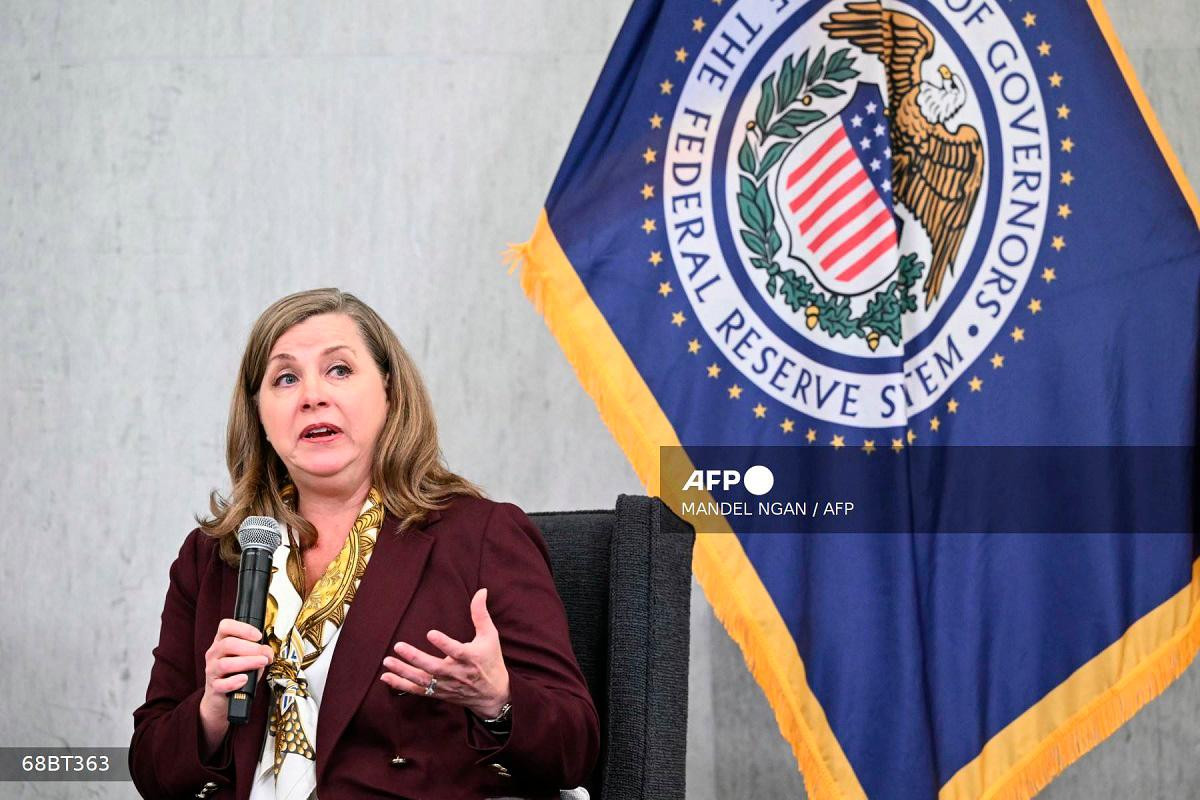
She explicitly said her confidence has grown that recent tariff moves won’t sustain inflationary pressures, which weakens the upside inflation risk and strengthens the case to pivot toward supporting employment. That judgement underlies her push for an early, measured easing round.
The data that changed minds
July’s nonfarm payrolls came in well below expectations, with a sharp downward revision to prior months.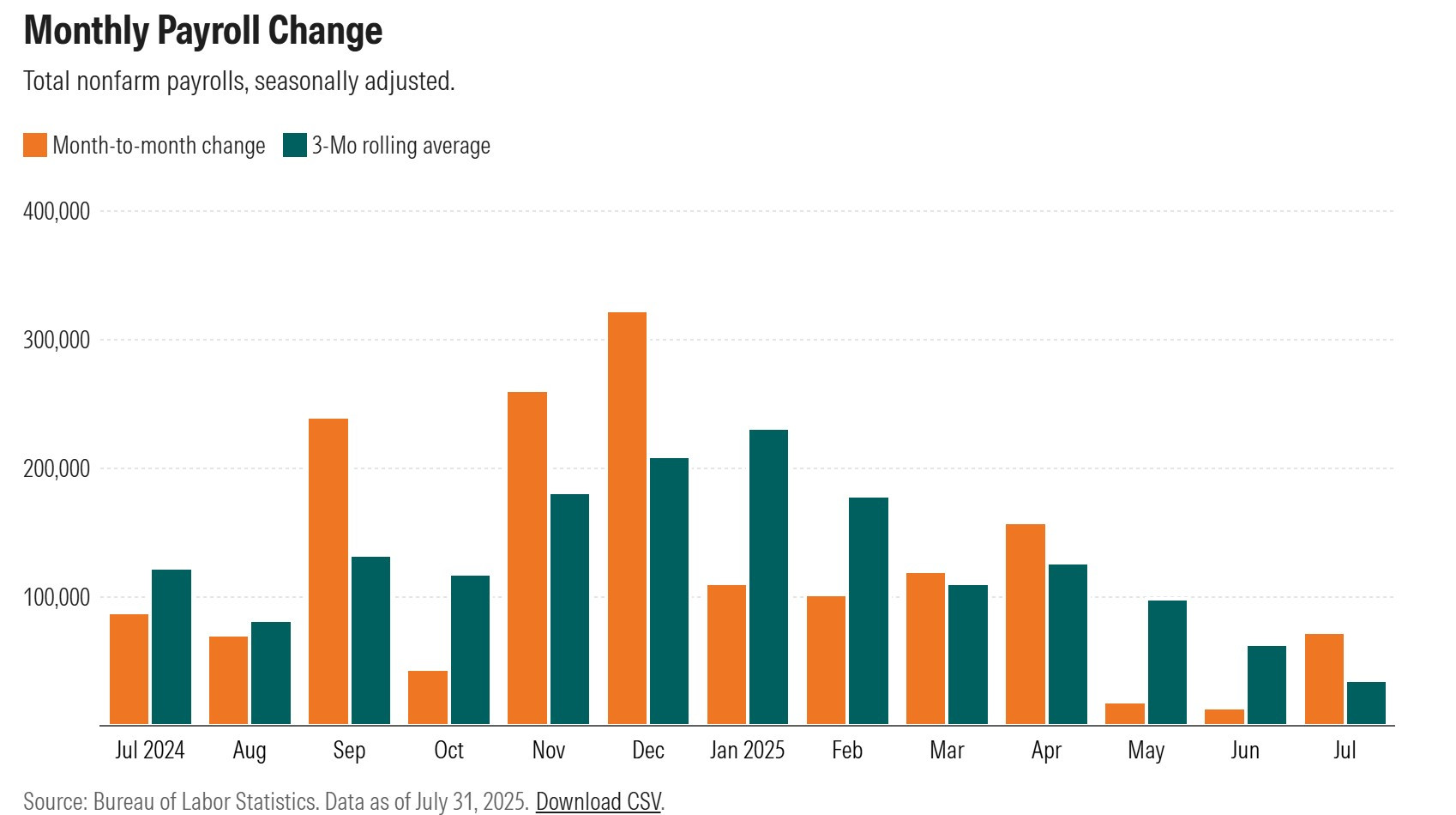
The unemployment rate edged higher, and core personal consumption expenditures (the Fed’s preferred inflation gauge) remains modestly above target. Those datapoints—weaker hiring plus still-elevated core PCE—create the classic Fed dilemma: easing to protect jobs versus waiting until inflation is comfortably contained.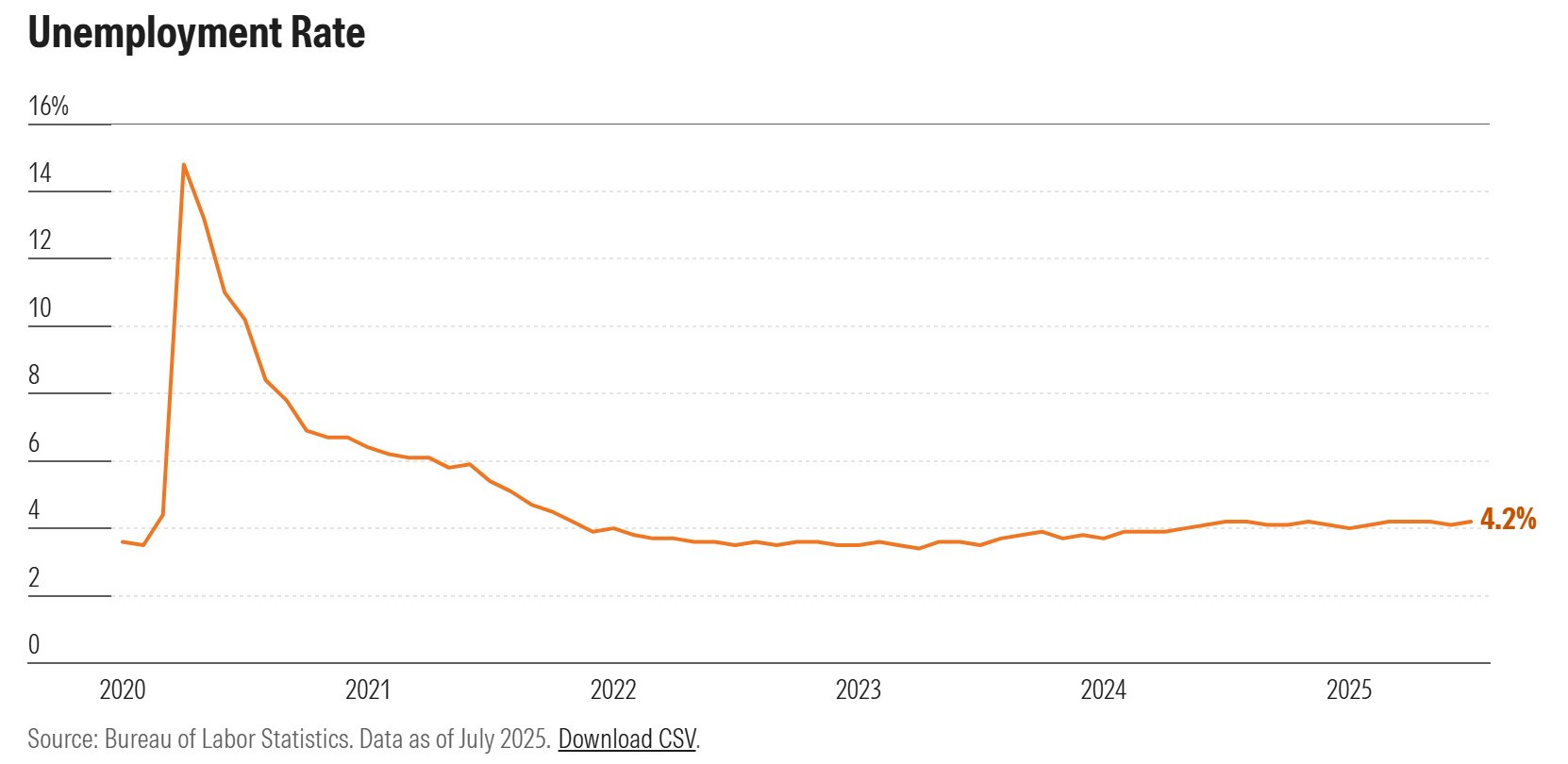
JPMorgan’s pivot: what Feroli now expects—and why it matters
Michael Feroli has revised JP Morgan’s timeline: the bank now anticipates the first 25-bp cut in September and additional quarter-point moves across the autumn and into the winter, a significant acceleration from their earlier view that leaves the first cut until December.
Feroli explicitly tied his forecast change to both the softer labor data and political developments—notably the Trump administration’s Fed board nomination— that could shift the policy mix.
Why this matters: large banks’ macro desks influence market positioning. When a major institution publicly moves a forecast forward, Treasury yields, swap markets and risk assets typically react—and that reaction becomes self-reinforcing as hedges and trading desks adjust.
How markets are pricing the September meeting
Fed-funds futures and the CME FedWatch tool show a very high probability—commonly reported near the 80-90% range—that the Fed will cut at the September 16-17 meeting. That probability spike reflects both the soft jobs data and the visible dissents inside the Fed. Markets are treating a September 25-bp cut as the «base case» scenario.
The political and personnel angle: why a nomination matters
President Trump’s nomination to the Fed’s board—and who fills vacancies—was flagged by forecasters as a factor in changing projections. An additional governor who leans toward quicker easing would alter the committee’s internal math and the margin needed to hold rates steady at future meetings. Analysts say the nomination increases the probability that the Fed’s voting dynamics shift toward earlier cuts.
Risks and the other side of the bet
Two clear risks could frustrate the «September cut» consensus. First, core inflation (PCE excluding food and energy) remains above 2%, and any renewed upside in price data would make the Committee more cautious.
Second, the Fed historically acts cautiously around upside inflation surprises—Chair Powell has repeatedly emphasized data dependence and patience. Those factors mean a September cut is not guaranteed; it’s the market’s best estimate, not a Fed commitment.
Finally, the Fed’s recent two-way dissent shows the committee is not monolithic. If more policymakers remain worried about inflation or about misreading tariffs’ effects, achieving consensus for an early cut could prove difficult.
What to watch next
- August payrolls and September lead-up data. The next employment prints will be parsed for signs the labor market is cooling further —if unemployment jumps materially, some analysts say a bigger cut in September becomes possible.
- September 16-17 FOMC statement and press remarks. That meeting is now the focal point. Expect markets to price in whatever the Fed signals about the path and pace of cuts.
- Confirmation developments for any Fed nominees. A confirmed dovish-leaning governor would change the decision calculus inside the Committee. Watch Senate movement closely.
- Community bank meeting on October 9. Bowman’s announced conference on community bank capital rules could signal regulatory priorities and the Fed’s sensitivity to smaller banks’ balance-sheet dynamics.
What this means for markets, borrowers and savers
If September marks the start of easing, short-term borrowing costs should fall, and risk assets that benefit from lower rates could rally further. Borrowers would see relief (mortgages and consumer loans), whereas savers relying on higher short-term yields would face renewed pressure. But timing is everything: if the Fed moves too quickly and inflation re-accelerates, the central bank may need to reverse course—which would be disruptive.
Bottom line
Michelle Bowman’s public push to begin cutting in September crystallizes a growing debate inside the Fed: protect a softening labor market now, or hold fast until inflation is unquestionably tamed.
Major market players have adjusted their expectations to the «cut-sooner» scenario, and futures markets now price a high probability of a September move. Still, data between now and mid-September —especially payrolls and core inflation readings—will determine whether the Fed takes the first step or holds the line.