
Market on Edge: Will July’s CPI Snap the Rally’s Neck?

U.S. equities sit near record highs, but next week’s July CPI print and a sudden shake-up at the IRS have put the rally on fragile ground. A hotter-than-expected CPI could undercut market bets on imminent Fed rate cuts, while fresh tariffs and leadership churn add policy and fiscal uncertainty.
$SPX is up more than 8% year-to-date and $NDAQ recently hit fresh highs, yet valuations are extended. Economists expect July CPI near 2.8% year-over-year. If CPI surprises to the upside, market pricing for near-term Fed easing could unwind and trigger an equity pullback.
Markets have largely priced in a Fed pivot. Futures and FedWatch tools imply a very high probability of a September cut, driven by weak payrolls and the view that inflation is cooling. A hotter CPI would force a reassessment of timing and size of cuts, injecting volatility into stocks, yields and derivatives.
How could CPI, payrolls and valuations collide to change the tone?
Equity valuations look stretched: the S&P forward P/E sits well above long-term averages. After months of near-uniform gains, strategists at major banks warn a correction is plausible, especially in seasonally weak August-September windows historically prone to losses.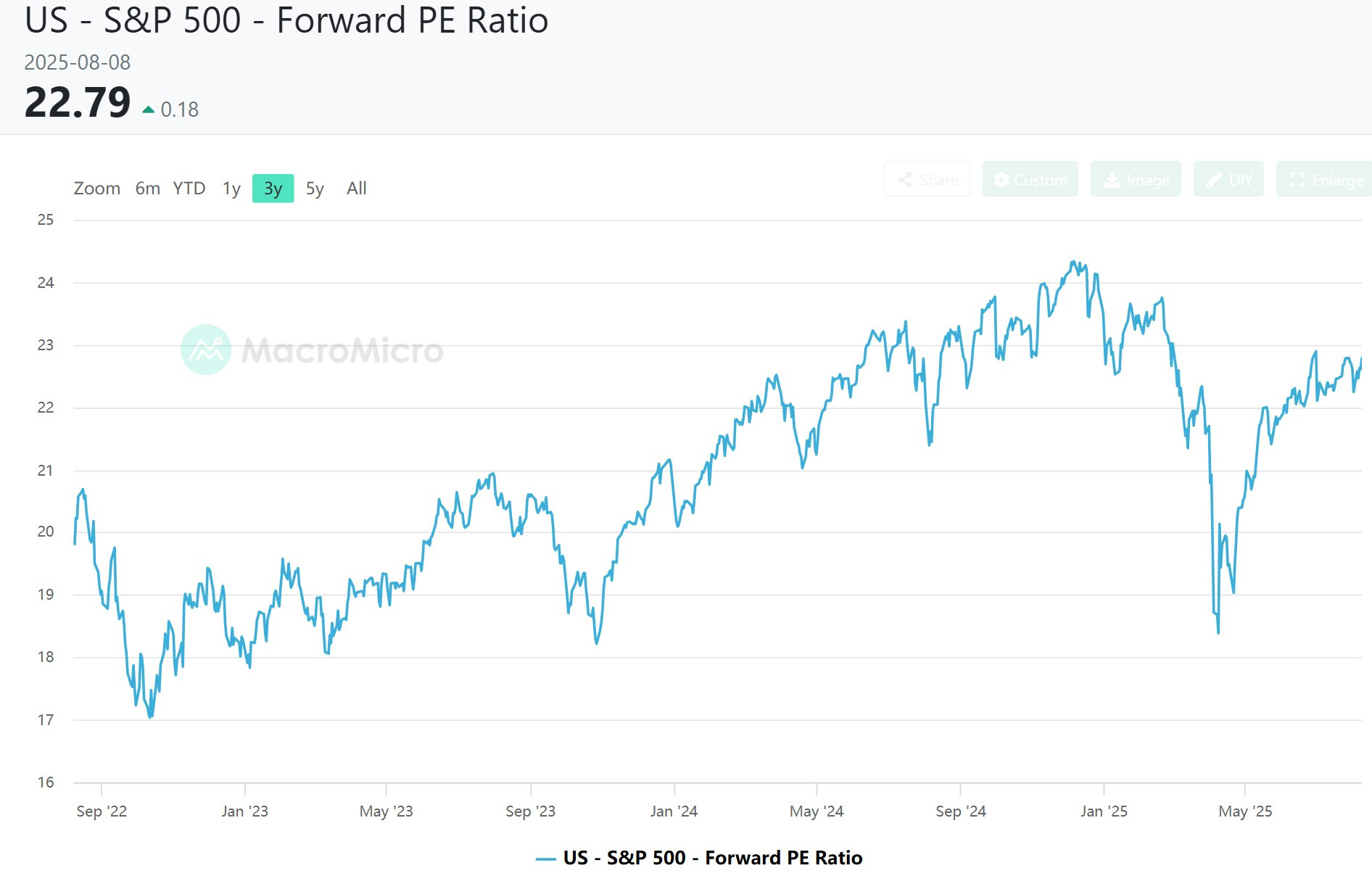
Payroll softness earlier this month lifted easing odds, but the Fed remains data-dependent. Sticky core inflation or renewed price pressure would make policymakers more cautious, reducing the probability of near-term cuts and prompting a rapid market repricing.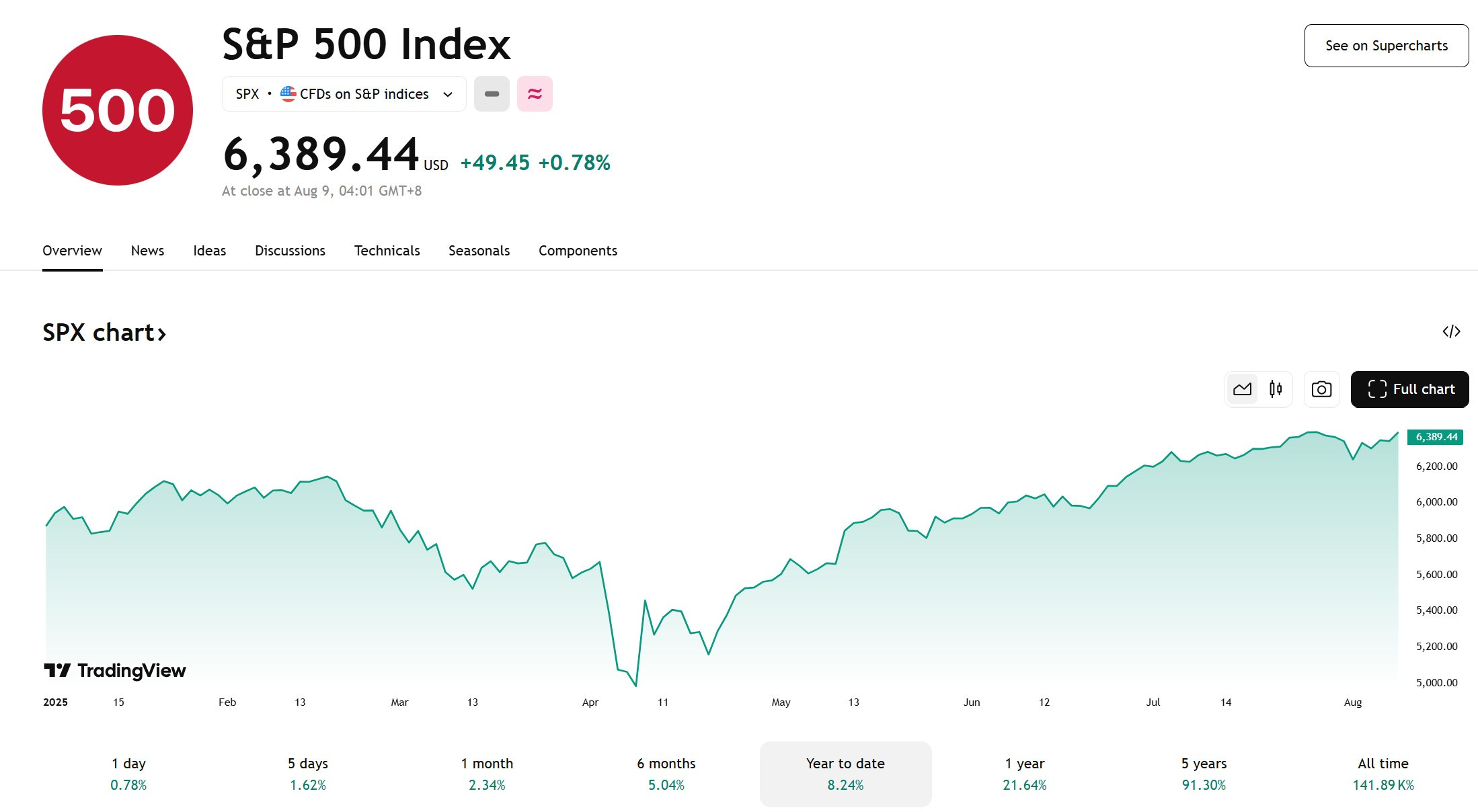
Could tariffs and IRS upheaval amplify the risk to prices and policy?
New tariffs that recently took effect have already been linked to price moves in June’s CPI. Additional tariff plans on semiconductors and pharmaceuticals could push specific goods prices higher, complicating the Fed’s inflation assessment.
At the same time, IRS Commissioner Billy Long’s abrupt resignation after less than two months—and Treasury Secretary Bessent stepping in as acting head—creates governance friction at a critical agency. That turnover raises execution risk for new tax and spending laws as tariff revenues grow in importance.
Why does that coordination matter—and when can it bite markets?
Year-to-date tariff collections have added tens of billions to revenues; importers have paid more than $100 billion in duties. Policymakers debate an “external revenue” approach, yet responsibility remains split across Treasury, Customs and the IRS, increasing the chance of operational or timing mismatches.
If tariff-driven cost increases become broad-based, they will show up in CPI components and could push the Fed to delay cuts. Likewise, IRS leadership churn could slow or complicate fiscal offsets, feeding investor concern about budget execution and policy credibility.
What could trigger a meaningful market swing—upside and downside scenarios?
Upside trigger: a tame CPI print would reinforce the Fed-cut narrative and likely lift risk assets, supporting the rally.
Downside trigger: a hotter CPI, visible tariff pass-through to consumer prices, or clear implementation shortfalls at fiscal agencies could force a rapid repricing of policy expectations and spike volatility.
In practice, a string of disappointing data points and policy frictions is often enough to shift sentiment; markets rarely need a single catastrophic event to reverse course.
What should investors watch and how might they position?
Watch the July CPI headline and core prints, plus goods versus services breakdowns. Track market-implied odds for a September cut via futures and FedWatch. Monitor tariff implementation details, corporate commentary on cost pass-throughs, and IRS succession and execution signals.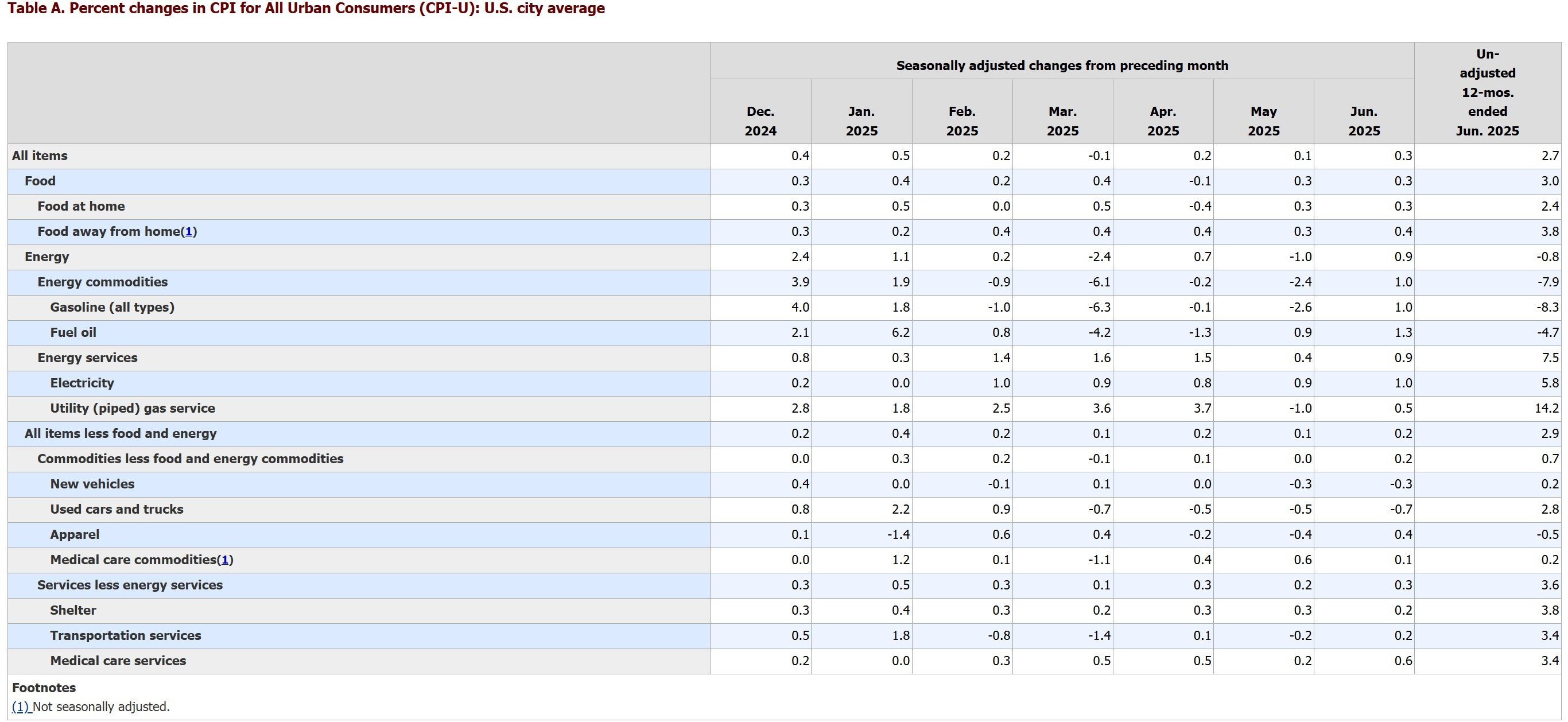
Many managers expect a modest pullback and plan to add risk on weakness. Typical tactics include trimming winners, raising modest cash buffers, placing limit buy orders at lower levels, hedging selectively, or rotating into names with stronger earnings visibility.
Final thought: is fragile optimism about to be tested?
The U.S. market’s recent highs face a two-front test: incoming CPI data that could undercut the Fed-cut narrative, and policy-driven risks from tariffs plus IRS leadership instability. Together, these factors raise the odds of near-term repricing. Investors should brace for heightened volatility and watch CPI, tariff developments, and fiscal execution closely.