
Momentum vs. Message: Stocks Surge While Treasuries Say ‘Not So Fast’

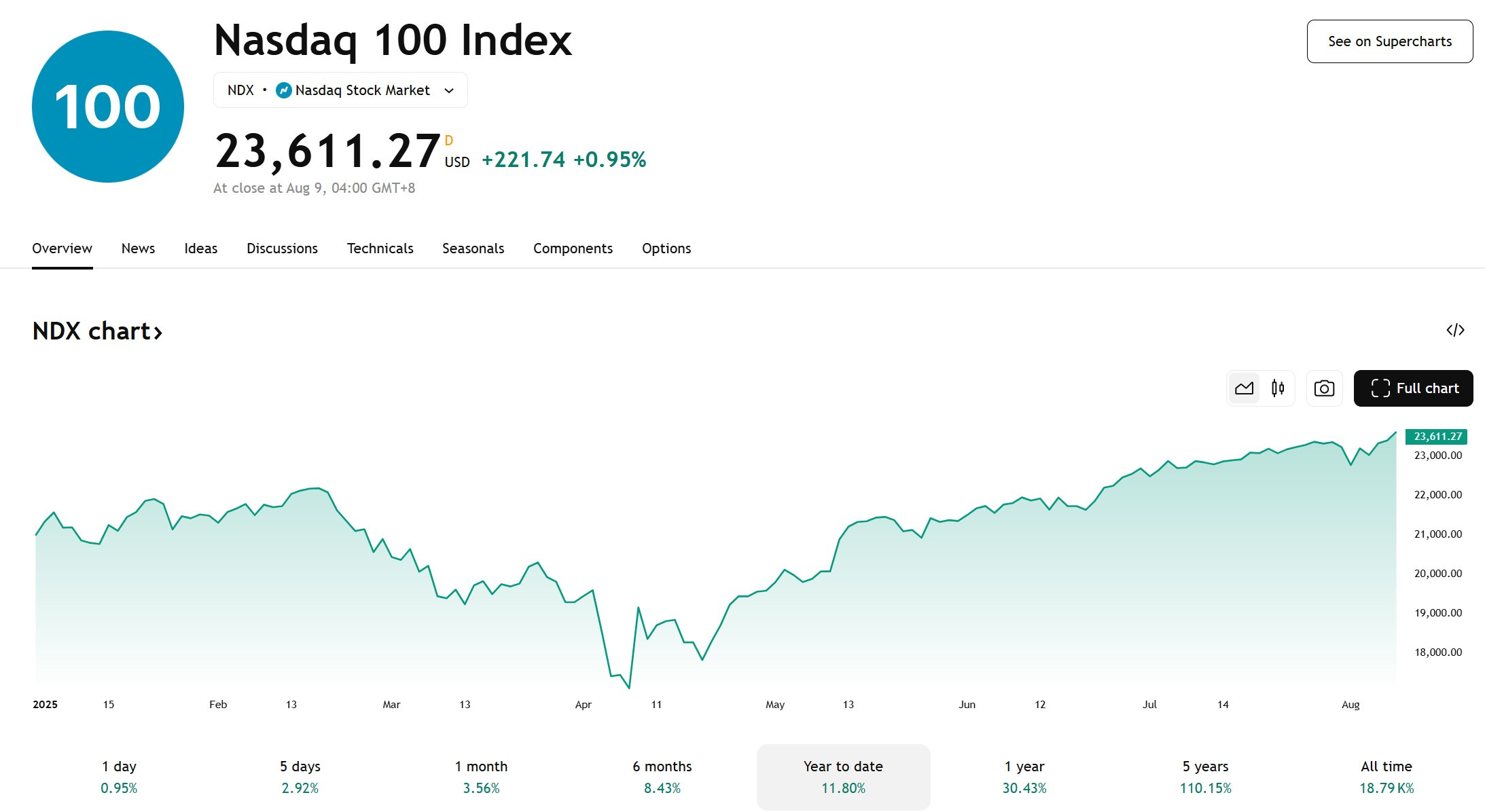
A week after an alarm-raising jobs report, U.S. risk assets staged a powerful comeback: $NDAQ delivered its biggest weekly gain in over a month, high-yield corporate spreads tightened for five straight sessions, and equity bulls reclaimed lost ground.
Yet the Treasury market remains skeptical—ten-year yields sit below pre-report levels and traders are still pricing multiple Fed cuts. The result is a clear market split: stocks and corporate debt are signaling confidence; Treasuries are signaling caution. Investors now face a critical choice about which story will win.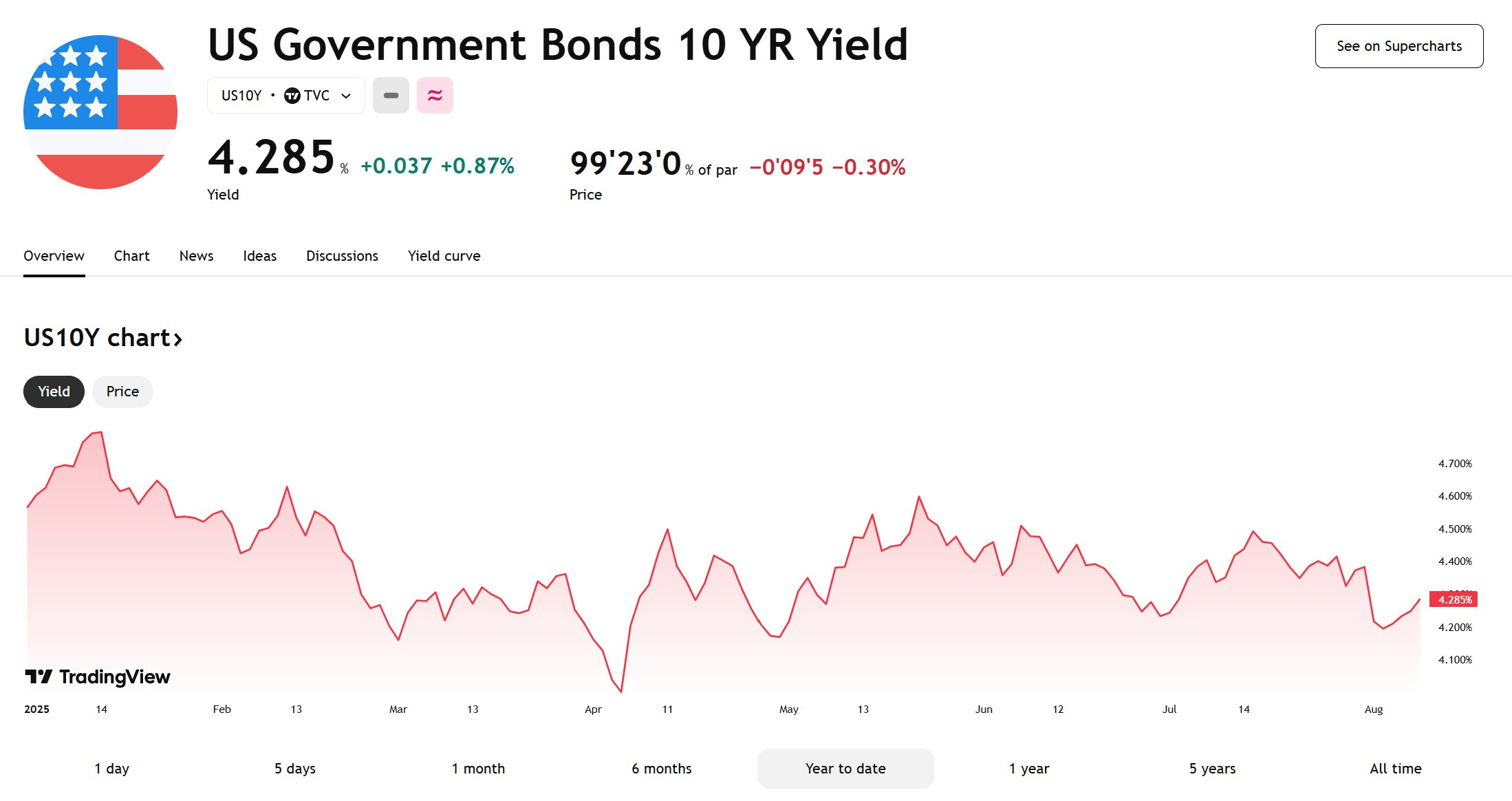
Key Points
- One week after a weak employment print—the worst since the pandemic by some measures—stocks and high-yield credit rallied strongly.
- Nasdaq 100 posted its largest weekly rise in over a month; high-yield spreads narrowed for five consecutive days.
- The 10-year Treasury yield remains lower than before the jobs report, reflecting recession concerns and bets on multiple Fed cuts.
- $SPX second-quarter earnings are expected to grow about 10%—roughly four times earlier pre-season forecasts—supporting risk appetite.
- Other data show strains: services softening, initial jobless claims at their highest since November 2021, and rising consumer inflation expectations.
- Market narratives diverge: credit and equities imply only a single-digit recession probability, while Treasuries and some strategists remain wary.
What just happened—and why it matters
Last week’s weak employment data briefly sent markets running for cover. Yet within seven days, risk markets flipped back into “risk-on” mode. Stocks recovered most losses; corporate bond spreads tightened; bitcoin and other risk assets also steadied.
That rebound matters because it shows investor conviction that slower jobs growth doesn’t equal recession—and that strong earnings and fresh flows can overpower gloomy macro headlines, at least for now.
But this rapid reversal also raises a red flag: when different markets tell different macro stories, investors must decide which signal to follow. If equities and credit are correct, the expansion continues and assets can rally. If the bond market is correct, lower yields and recession-probability pricing could presage a tougher stretch for risky assets.
Market signals: why equities and corporate credit are optimistic
Earnings resilience is the most persuasive explanation for the rally. Consensus estimates now point to roughly 10% year-over-year S&P 500 earnings growth for Q2—a sharp upward revision from earlier expectations. That earnings surprise narrative has reignited interest in technology and AI-linked names, underpinning the Nasdaq’s recent jump.
Meanwhile, corporate bond markets are showing robust demand. Investment-grade spreads hover near multi-decade tightness, and high-yield spreads have compressed for five trading days. Traders and portfolio managers cite strong flows into credit and the view that the Fed has policy room to ease if growth slips—a combination that makes credit attractive despite higher valuations.
Why Treasuries remain the contrarian voice
Despite the upbeat equity story, U.S. Treasuries continue to price a more pessimistic outcome. The 10-year yield remains about ten basis points below where it stood before the job report, suggesting bond investors expect slower growth or softer inflation ahead. In fact, some parts of the market imply as many as three rate cuts in coming months—a level of easing that would normally accompany a significant slowdown.
Bond strategists argue that the fixed-income market is often “right” about growth turns. The recent divergence—stocks pricing resilience and bonds pricing caution— mirrors past episodes where the bond market flashed warnings before equity pain followed. That historical track record keeps the cautious case alive.
The data that complicates the picture
Not all macro signals are consistent with a clean, soft landing. Services activity showed signs of weakness this week, first-time unemployment claims climbed to their highest level since November 2021, and measures of consumer inflation expectations ticked higher. These datapoints feed the bond market’s skepticism and temper confidence that the economy can keep growing without renewed price pressures.
At the same time, traders point to the policy backdrop: if inflation reaccelerates or tariffs and other policy moves squeeze margins, the Fed’s path becomes cloudier and markets could reprice quickly. Conversely, if inflation cools and payrolls stay soft, current market bets on multiple cuts would gain credibility—supporting the risk rally.
Voices from the market—why interpretations differ
Some portfolio managers see the rally as sensible. Mark Freeman, CIO at Socorro Asset Management, describes the oddity plainly: credit and equities are effectively sending the same message—no recession—but that also implies elevated valuations and higher risk.
Winnie Cisar at CreditSights stresses the role of technicals: strong fundamentals plus ample fund flows have propped up risk assets.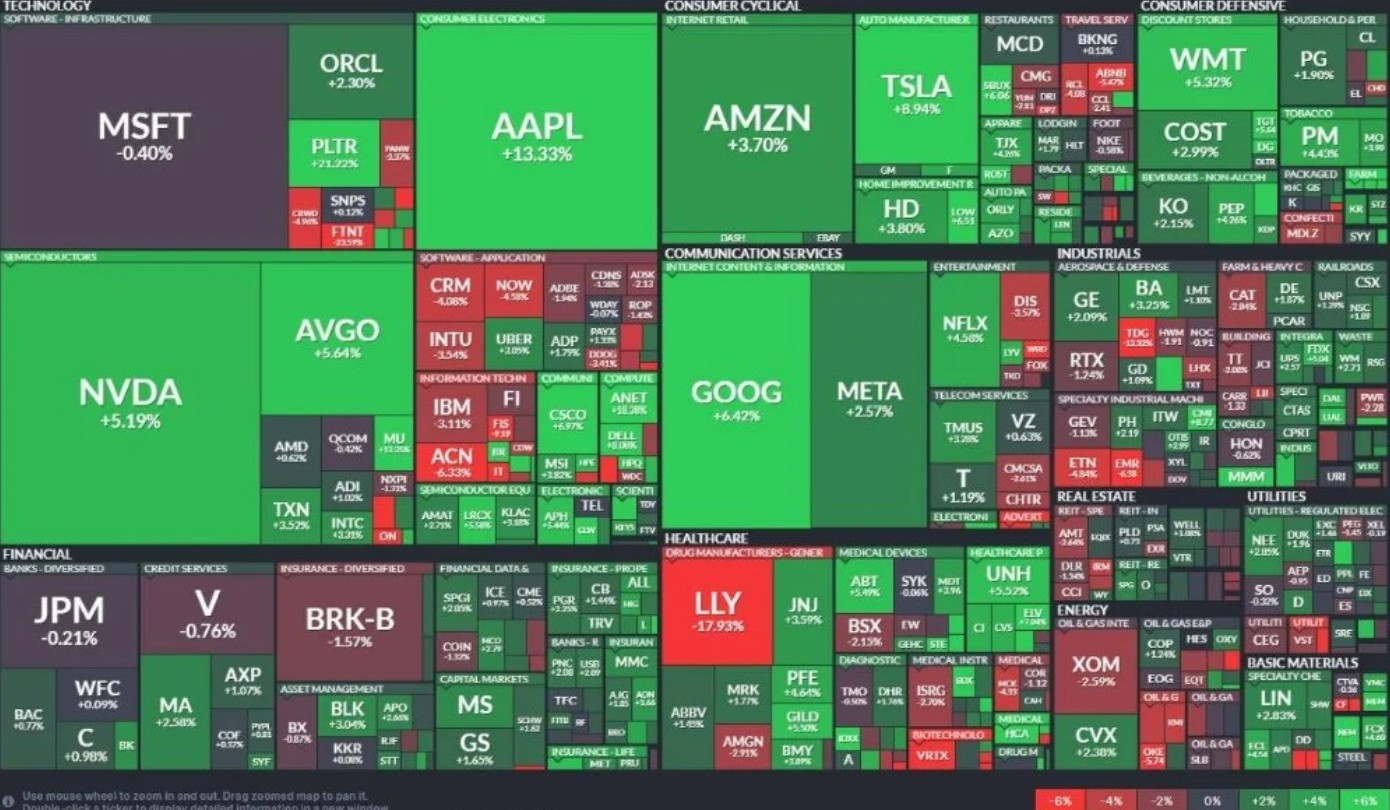
Others sound caution. Matt Maley of Miller Tabak warns that falling longer-term rates are not always bullish for stocks; when stocks and bonds diverge, bonds often anticipate trouble. Research Affiliates’ Que Nguyen similarly urges attention to bond signals given a late-cycle backdrop. Goldman analysts add that tariff impacts on profits may not surface until the third quarter’s earnings season.
What could flip the script—upside and downside triggers
Upside: Continued earnings beats, sustained fund inflows into equities and credit, and tame inflation prints would reinforce the risk-on narrative and keep the rally alive. That path would also support the idea that recent weakness in payrolls is cyclical and manageable.
Downside: A clearer degradation in labor markets, renewed inflation pressure (especially goods pass-through from tariffs), or evidence that earnings are about to disappoint would strengthen the bond market’s recession signal. Any of these would force a rapid repricing of Fed expectations and likely produce significant volatility across stocks and credit.
How investors are positioning—pragmatic tactics
Many managers expect a modest pullback at some point and say they will add risk on weakness. Common tactics include trimming very extended winners, modestly increasing cash buffers, placing limit buys at lower levels, selectively hedging, and rotating into names with stronger earnings visibility. The overall theme: stay prepared for volatility while not overreacting to any single report.
The practical takeaway—which signal should you trust?
There is no single right answer. Markets can stay disconnected for long stretches. The sensible course is to watch the data that will most immediately affect policy and profit growth: upcoming inflation prints, the goods-versus-services breakdown, initial jobless claims, and corporate commentary on margin pressure and tariff pass-through. Track Fed-implied probabilities and credit flows, and set planful rules for adding risk or hedging when signals converge.
Closing thought—fragile consensus, durable uncertainty
This week’s rebound underscores a paradox of the post-pandemic markets: strong earnings and abundant liquidity can power dramatic rallies even as other corners of the market whisper caution.
Whether today’s optimism proves durable will depend on whether profits and flows can outpace macro weakness and policy friction. For now, investors must navigate a landscape where confidence and caution coexist—and be ready for either narrative to assert itself.