
Why is NASDAQ Hitting New Highs Every Day?

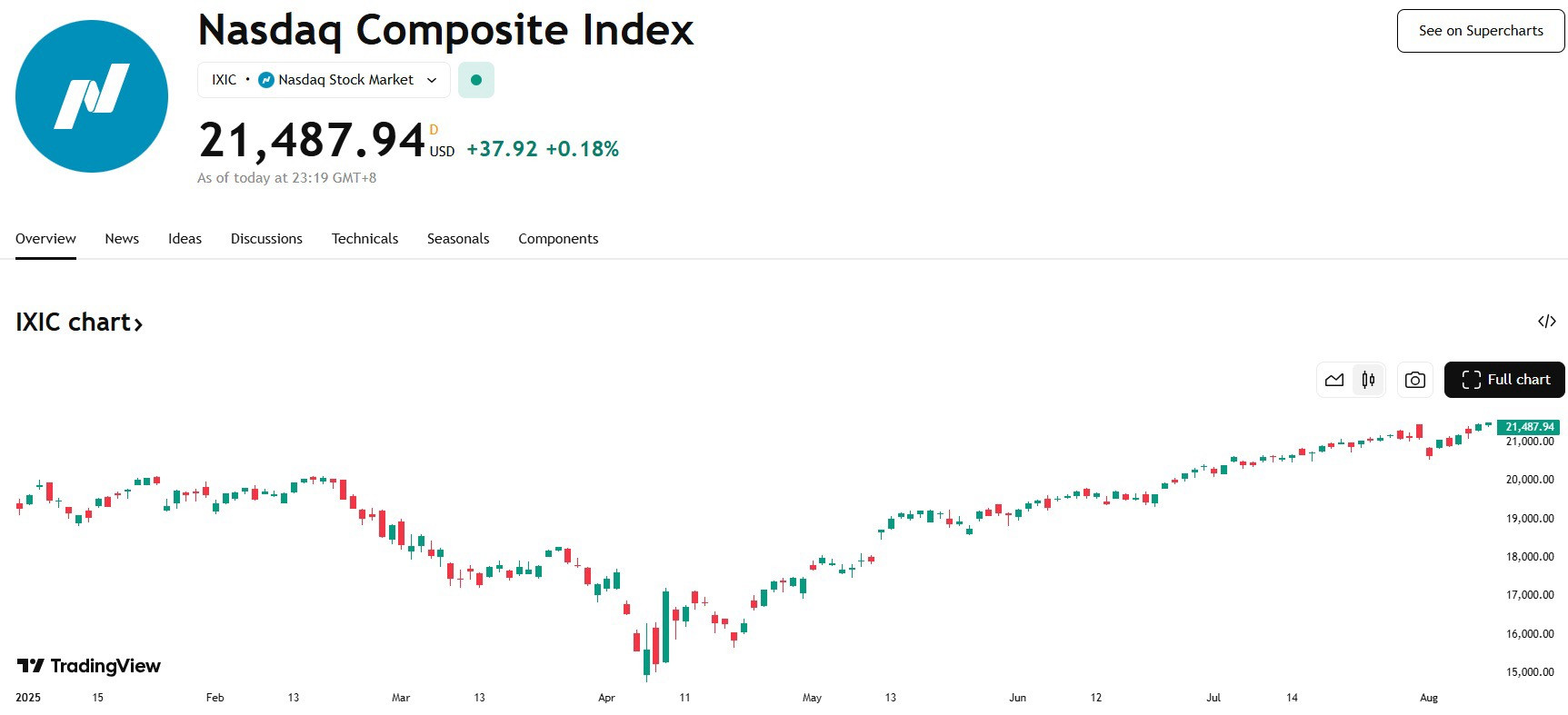
The U.S. stock market has been on a strong upward trend recently, seemingly unaffected by various bizarre policies and dismal economic data. Why is this happening?
If you observe carefully, you'll notice that the current stock market gains are actually highly concentrated in a very small number of giant companies, while the rest of the companies in the S&P 500 index are mostly stagnant.
In fact, this is not a new phenomenon. Similar periods in history, such as the "Nifty Fifty" in the early 1970s or just before the tech bubble, have seen markets supported by a few star stocks, ultimately crashing when inflation and interest rates rose, policies tightened, or earnings fell short of expectations.
Of course, today's giants are stronger and are the biggest beneficiaries of AI investment, attracting continuous capital inflow. High interest rates impact small and medium-sized U.S. companies far more than these giants, and the passive buying mechanism of index funds further pushes up their stock prices regardless of their performance.
Against the backdrop of weak global economic growth, risk aversion drives funds towards these giants, exacerbating capital concentration. Historical experience suggests that if the Fed cuts rates and increases liquidity in 2026, it might first trigger a final surge in these leading stocks, followed by others catching up, before the market expands comprehensively.
However, if inflation resurges or the AI hype cools down, the top companies will be the first to be hit. This extreme structure often appears at the end of a cycle and may last far longer than expected. When policies change, profit growth slows, or market narratives shift, the huge gap between the leaders and others, and their vulnerability, will truly become apparent.
The higher the stock price, the greater the crisis.