
Bullish on Japan, Bearish on Korea? Morgan Stanley’s New Report Reveals Latest Global Hedge Fund Trends

The U.S. inflation data report released on Tuesday further bolstered market expectations for a Federal Reserve rate cut, driving widespread gains in Asian stock markets on Wednesday, with the Nikkei 225 index surging 1.5% to a historic high.
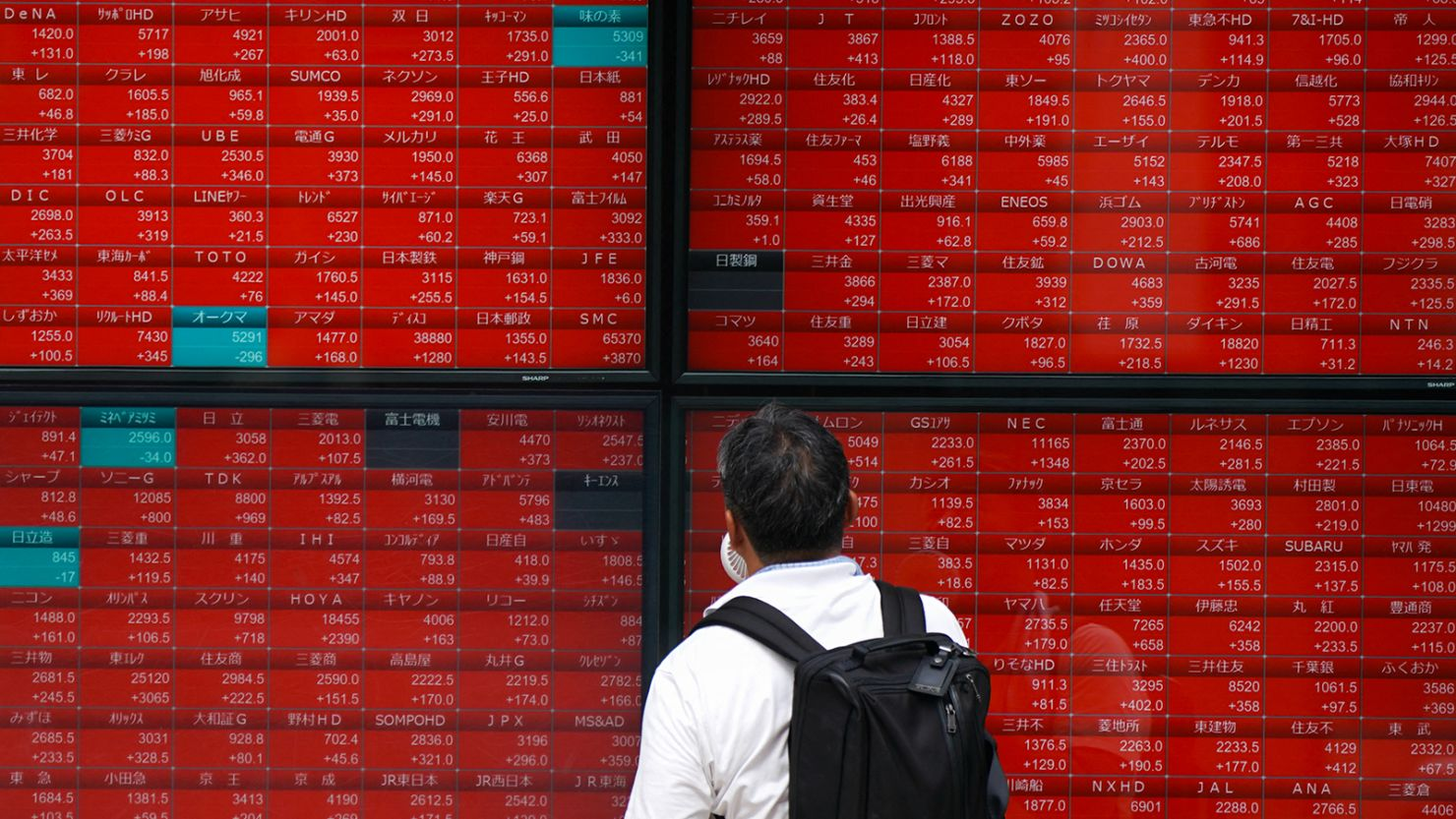
As the Nikkei index soared to an all-time peak, fueled by macroeconomic tailwinds, optimism from U.S.-Japan trade negotiations, and technical confidence, a Morgan Stanley report highlighted that global hedge funds have doubled their investments in Japanese stocks.
According to Morgan Stanley’s prime brokerage team’s Tuesday report, global hedge funds significantly increased their exposure to Japanese stocks last week, with long positions outpacing short positions. Meanwhile, they also boosted their short positions in the Korean stock market.
Morgan Stanley noted that hedge funds have built positions in Japan’s technology and industrial sectors, aligning with strong earnings reports from Japanese tech firms last week.
For instance, Nintendo saw robust sales from its new Switch 2, propelling its stock to a record high, while SoftBank reaped revenue gains from its substantial AI investments.
Asian Markets
The rise in Japan’s stock market is driven by multiple factors, and its relatively stable political environment has instilled greater confidence among hedge funds.
In contrast, Korea’s market, with its impending capital gains tax hike, may unsettle some investors.
In early August, the Korean government unveiled a comprehensive tax reform plan, proposing to raise the securities transaction tax from 0.15% to 0.2% and lower the capital gains tax threshold from 5 billion won to 1 billion won.
This move has sparked domestic opposition, with critics arguing it will dampen investor sentiment.
Morgan Stanley’s report also indicated that hedge funds’ net exposure to Korea in early August was slightly below the decade-high levels. However, since South Korea lifted its short-selling ban in late March, investors have significantly increased both long and short bets in the market.
Beyond Japan and Korea, other Asian nations like Taiwan and Australia saw hedge fund buying interest last week. With the likelihood of a Federal Reserve rate cut in September increasing, the dollar may enter a depreciation trend, potentially accelerating gains in Asian currencies and stock markets.
However, some analysts caution that the Trump administration may politicize economic data, raising concerns about the reliability of key indicators and potentially disrupting Asia’s market outlook.
Stephen Innes of SPI Asset Management remarked that Asian stock markets seem to have woken up in full risk-on mode.