
Buffett Makes a Move That Lifts Healthcare Stocks as Berkshire Reshapes Its Portfolio

Warren Buffett’s investment powerhouse Berkshire Hathaway $BRK.A $BRK.B has just filed its Q2 2025 holdings report with the US Securities and Exchange Commission.
This quarterly filing, known as the “13F,” is a kind of open diary for Berkshire’s stock picks, giving Wall Street a peek into the moves made by one of the world’s most respected investors.
This time, the portfolio changes are significant. Berkshire added new positions in multiple companies, doubled down on some of its favorites, and fully exited one big name.
A Big Bet on America’s Largest Health Insurance Provider
The headline move was Berkshire’s purchase of 5 million shares in UnitedHealth Group $UNH , one of the biggest health insurance and healthcare service companies in the US.
UnitedHealth is a dominant player in Medicare Advantage, a program where private insurers provide Medicare coverage for seniors and get paid per enrollee by the government.

Quick background
-
Medicare Advantage is a private-sector version of US government health insurance for seniors.
-
It can be profitable, but rising costs and tighter regulations have recently put pressure on the industry.
Buffett’s entry sent a strong signal. The news alone drove UnitedHealth shares up 7 percent in after-hours trading the day it was announced. For many investors, Buffett’s stamp of approval is more than symbolic—it’s a reason to buy.
My read on this is that Berkshire is leaning deeper into healthcare because of its long-term growth potential in an aging population, even if short-term policy changes create bumps in the road.
Four More New Positions Across Key Industries
Berkshire didn’t stop at healthcare. It also opened new stakes in four very different sectors—steel, housing, advertising, and security systems.

-
A Major US Steel Producer
Berkshire bought 6.6 million $NUE shares, likely betting on infrastructure upgrades and the return of US manufacturing as political and economic forces push more production back home. -
A Leading Homebuilder
Berkshire re-entered the housing construction sector $DHI with 1.48 million shares. This suggests confidence in long-term housing demand—even if interest rates rise, the US still faces a structural housing shortage. -
An Outdoor Advertising Company
Berkshire picked up 1.16 million $LAMR shares in a firm that dominates billboards and transit ads. While digital ads rule the internet, physical ad spaces like highway billboards remain hard to replace and generate steady cash flow. -
A Security and Access Control Company
With $ALLE 780,000 shares, this is a niche but promising play. As cities grow and buildings get smarter, demand for digital locks, surveillance, and access systems is only increasing.
These companies have one thing in common—simple business models, stable demand, and dependable cash flows, which tend to hold up even when the economy slows.
Doubling Down on Old Favorites
Berkshire also made bold increases to two existing holdings:
-
PoolCorp $POOL – The stake jumped 186%, from 1.07 million shares to 3.07 million. PoolCorp dominates the US market for swimming pool and outdoor living products.
-
Constellation Brands $STZ – Up 12% to 13 million shares. Known for brands like Corona and Modelo, it’s a company with strong pricing power and loyal customers.
The logic here is straightforward—Berkshire likes companies that sell products people keep buying no matter what, and can raise prices without losing customers.
Saying Goodbye to T-Mobile US
On the selling side, the most notable move was a full exit from T-Mobile US $TMUS.
Berkshire once owned over 5 million shares, but now it’s completely out. The decision could reflect a reassessment of the telecom industry’s growth limits and regulatory headaches.
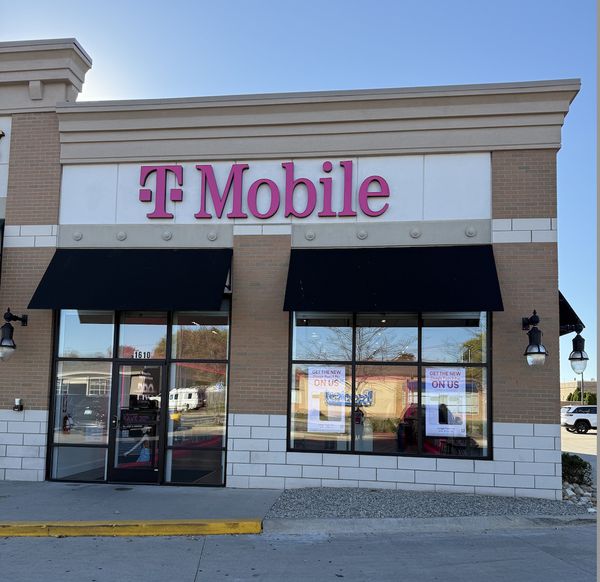
Telecom is stable, but heavy competition and government oversight can make profit growth slow and unpredictable—probably not the kind of return profile Buffett wants right now.
What This Says About Buffett’s Thinking
Looking at all these moves, a few patterns stand out:
-
Shifting from cyclical bets to stable cash flow businesses
By dropping telecom and adding healthcare, housing, advertising, and security, Berkshire is tilting toward companies that earn steadily through all kinds of economic weather. -
Investing in long-term demographic and lifestyle trends
Healthcare for an aging population, housing needs, outdoor leisure products, and branded drinks are all markets with durable demand. -
Finding certainty in uncertain times
Even with global uncertainty, Berkshire is concentrating on businesses that can keep making money in almost any environment.
In my view, this is a “steady but strategic” portfolio reshuffle. It captures growth opportunities—like healthcare and smart infrastructure—while reinforcing dependable income streams through strong consumer brands.
For everyday investors, the takeaway is clear: look for industries that aren’t overly tied to economic cycles, but quietly build value year after year.