
Buffett’s UnitedHealth Bet: Contrarian Genius or Catching a Falling Knife?

Shearing sheep
August 15, 2025
GoGPT Summarizes Articles
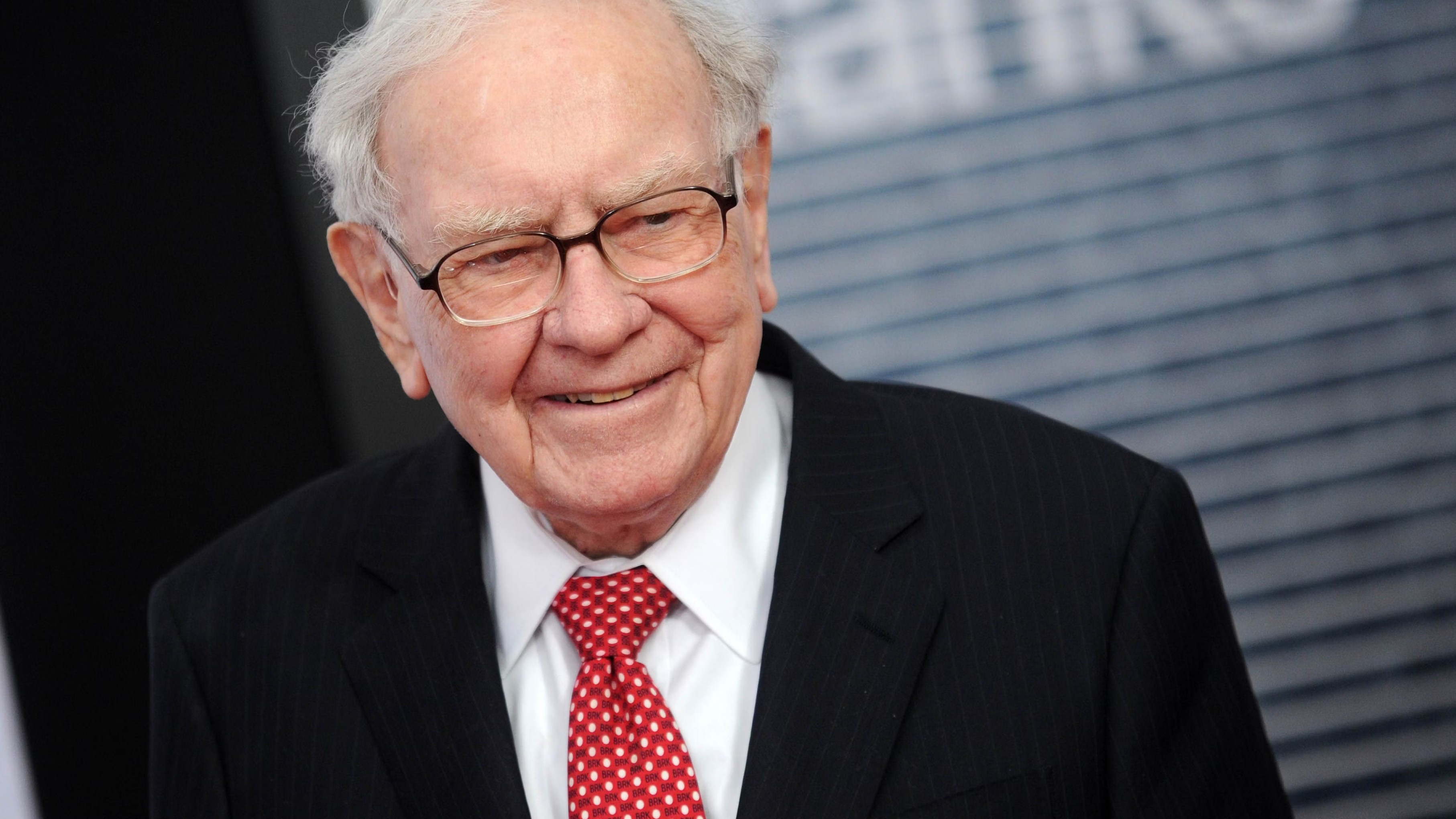
The Q2 13F filings just gave us one of those “wait… so the rumor was true?” moments.
Back on August 6, a post floated around social media claiming Berkshire Hathaway had bought UnitedHealth Group ($UNH). At the time, it got dismissed as market fan fiction — wrong date, shaky sourcing, felt like pure clickbait.
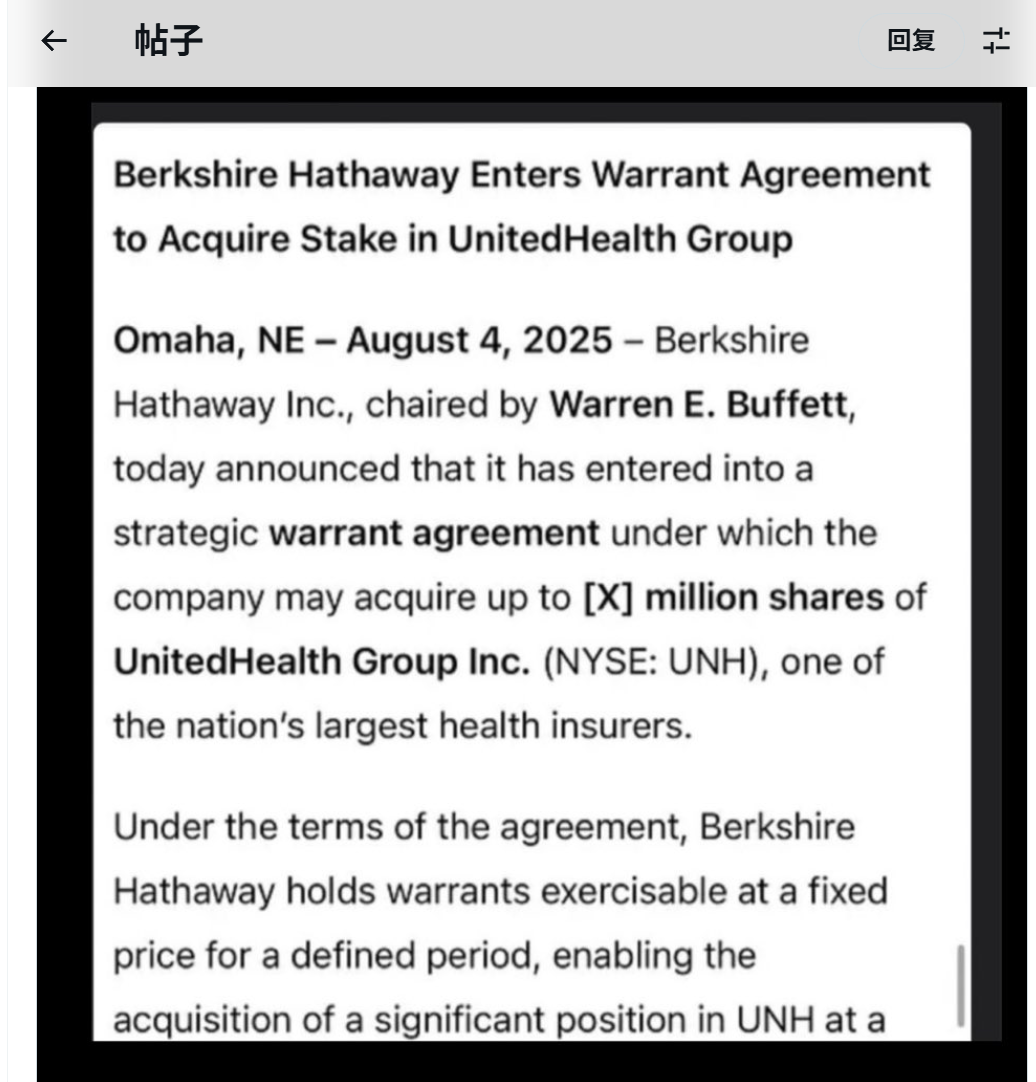
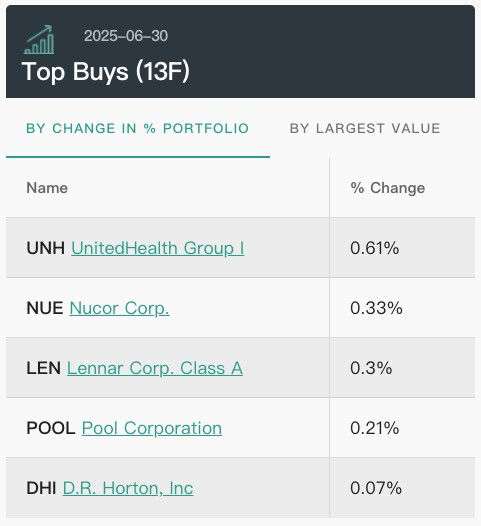
Fast forward to this week, and the official SEC filings confirm: Berkshire did, in fact, open a sizeable position in UNH last quarter.
Here’s what the numbers say: about 5.04 million shares, valued at roughly $1.57B at the end of June, making it Berkshire’s 18th-largest holding and about 0.61% of the portfolio.
As soon as the news hit, UNH shares jumped over 8% after hours. That’s the kind of market reaction Berkshire’s moves tend to trigger — even if it might not be Buffett personally placing the order.
Why This Stands Out
This isn’t Berkshire buying into a rosy growth story. UNH’s 2025 has been, to put it mildly, a mess.
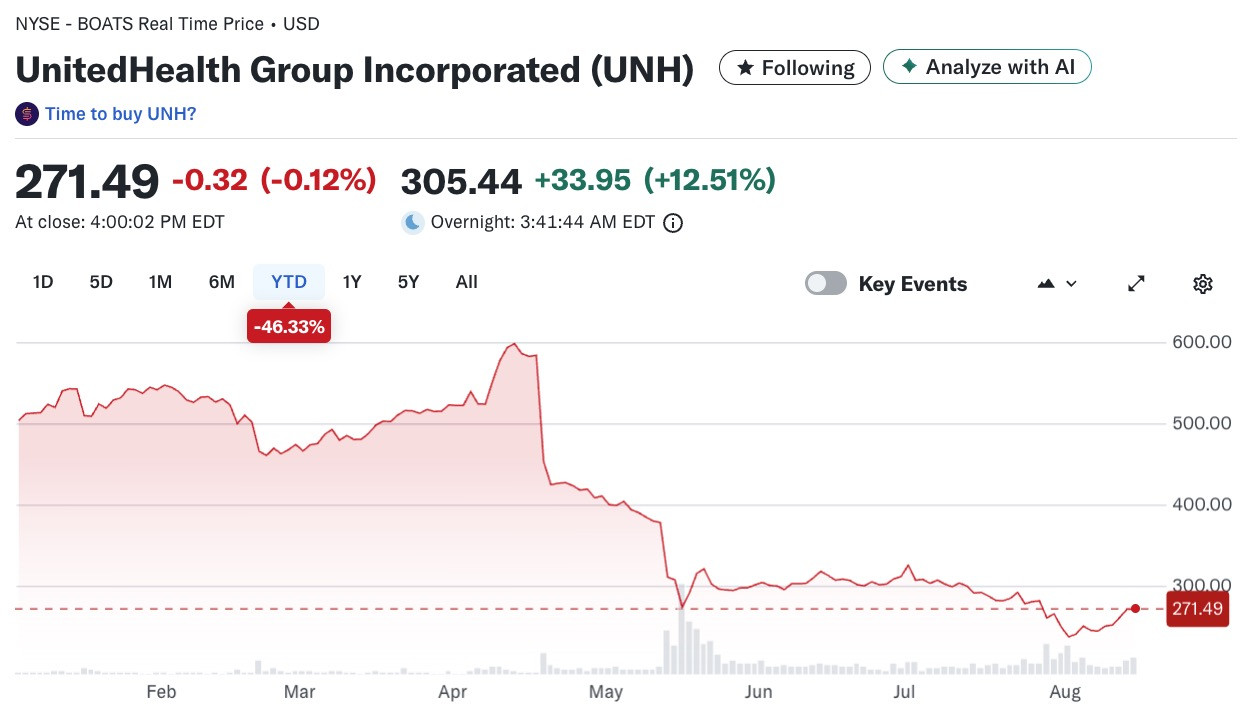
Year-to-date, the stock is down around 46%, hammered by:
-
Operational disruptions from a major cyberattack earlier this year.
-
Medical cost inflation, which has spiked faster than the company can adjust premiums.
-
Legal overhang from a DOJ investigation into Medicare billing practices.
-
Leadership turmoil, including the tragic shooting of former executive Brian Thompson late last year.
In July, UNH cut its profit forecast and warned of billions in extra costs ahead. Wall Street, already jittery on managed care names, effectively gave up on the stock — which is exactly when some big names started quietly buying.
Not Just Berkshire
And Berkshire wasn’t alone in spotting what they saw as an opportunity. The same quarter, other high-profile investors made bold moves:
-
David Tepper’s Appaloosa made UNH a nearly 12% portfolio position, upping his stake by 1,300%.
-
Michael Burry’s Scion Asset Management made UNH call options his single largest disclosed position (worth about $1.9B) and also bought shares outright.
-
Hedge funds like Lone Pine Capital and Discovery Capital also initiated or added to positions.
That’s a pattern worth noting — multiple seasoned, high-conviction managers independently leaning into a stock when the headlines are ugly and the price is beaten down.
The Berkshire Context
In the Berkshire portfolio, $1.57B is actually small change. That’s why many observers think this was the work of Todd Combs or Ted Weschler rather than Buffett himself. Still, Berkshire has a long and successful history with insurance-related businesses, and Buffett has held UNH before (2006–2009) before fully exiting in 2010.
The timing also lines up with other shifts:
-
Berkshire trimmed Apple again, selling 20M shares worth $4.1B — the first cut since last year.
-
They reduced Bank of America holdings by over 26M shares, continuing a year-long sell-down.
-
They added to Chevron and took new stakes in Nucor Steel, Lennar, D.R. Horton, and Lamar Advertising.
-
They fully exited T-Mobile.
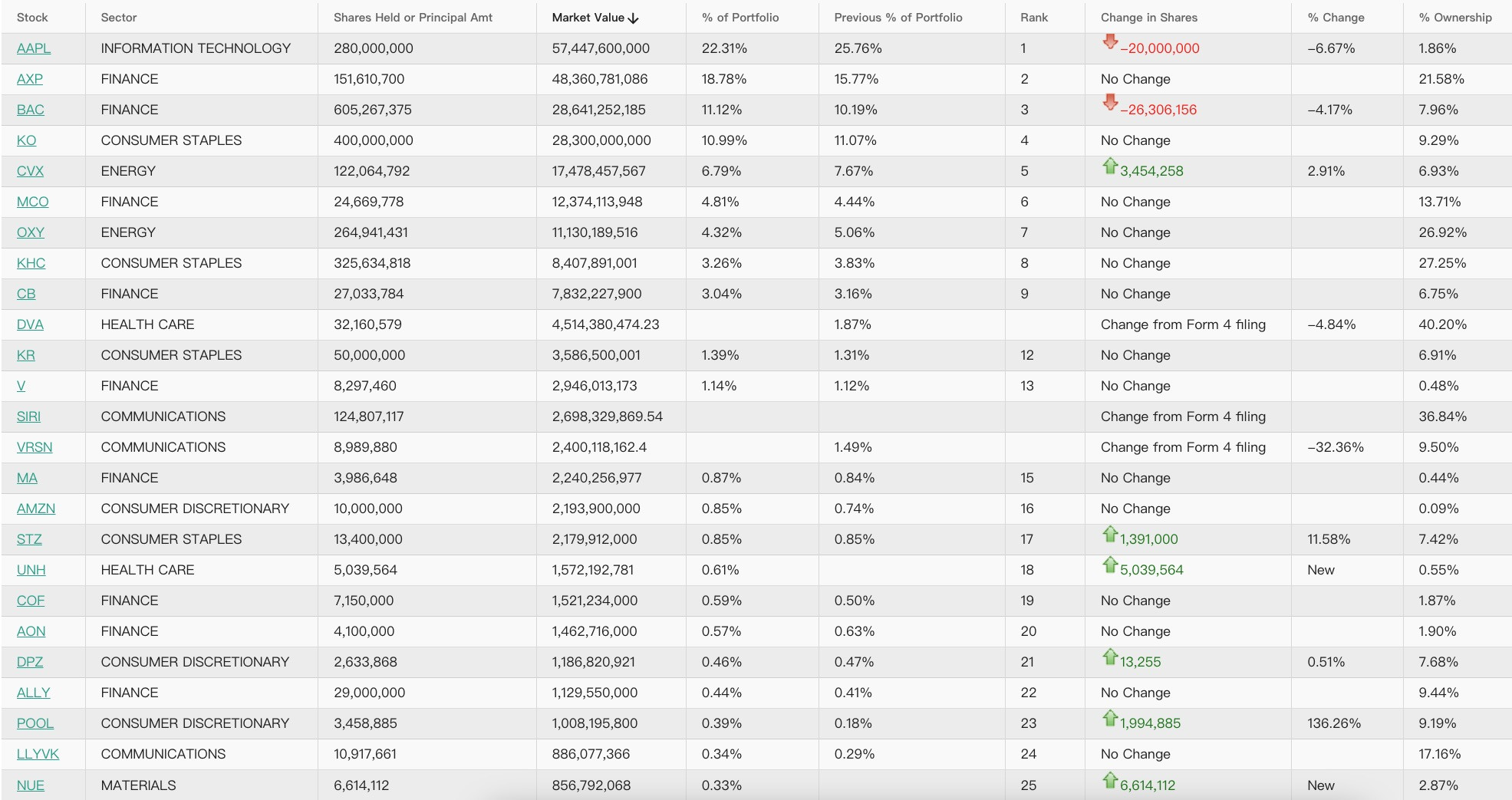
In other words, capital is being reallocated — some out of mega-cap tech and large banks, some into beaten-up cyclicals and out-of-favor sectors. UNH fits that contrarian pivot.
The Opportunity and the Risks
The bullish logic is straightforward: UNH remains the biggest player in U.S. managed care, with scale and diversification across insurance, healthcare services, and data analytics. A bad year doesn’t erase those structural advantages, and if cost pressures stabilize while legal risks resolve, today’s valuation could look like a bargain in hindsight.
But this is far from risk-free. Medical cost inflation is notoriously sticky, DOJ investigations can drag on and result in big settlements, and the competitive landscape for Medicare Advantage is heating up. For a stock that’s lost nearly half its value, investor sentiment is fragile — any fresh negative headline could keep the pressure on.
My Take
What makes this situation fascinating is the convergence of Buffett’s team, Tepper, and Burry all moving in at roughly the same time. That’s not a guarantee of success, but it’s a rare alignment of different investment styles — value-driven long-term compounders (Berkshire), opportunistic macro traders (Tepper), and deep-value contrarians (Burry).
I see two possible outcomes:
1. The classic Buffett rebound — the market’s overreacted to temporary setbacks, UNH stabilizes, earnings recover, and the stock quietly doubles over 3–5 years.
2. Value trap — cost inflation, legal issues, and reputational damage keep weighing on results, and investors learn the hard way that “cheap” can get cheaper (a classic risk in value investing).
Right now, I lean slightly toward the former — but with a lot of caution. For long-term investors willing to stomach volatility, this could be one of those “buy when it’s hated” moments.
#Follow the Money: Where Are the Market Giants Investing#$UNITEDHEALTH GROUP INCORPORATED (Delaware)(UNH)