
Home Depot Q2 Earnings Preview: Can Pro Momentum Outpace Consumer Caution?

Shearing sheep
August 18, 2025
GoGPT Summarizes Articles
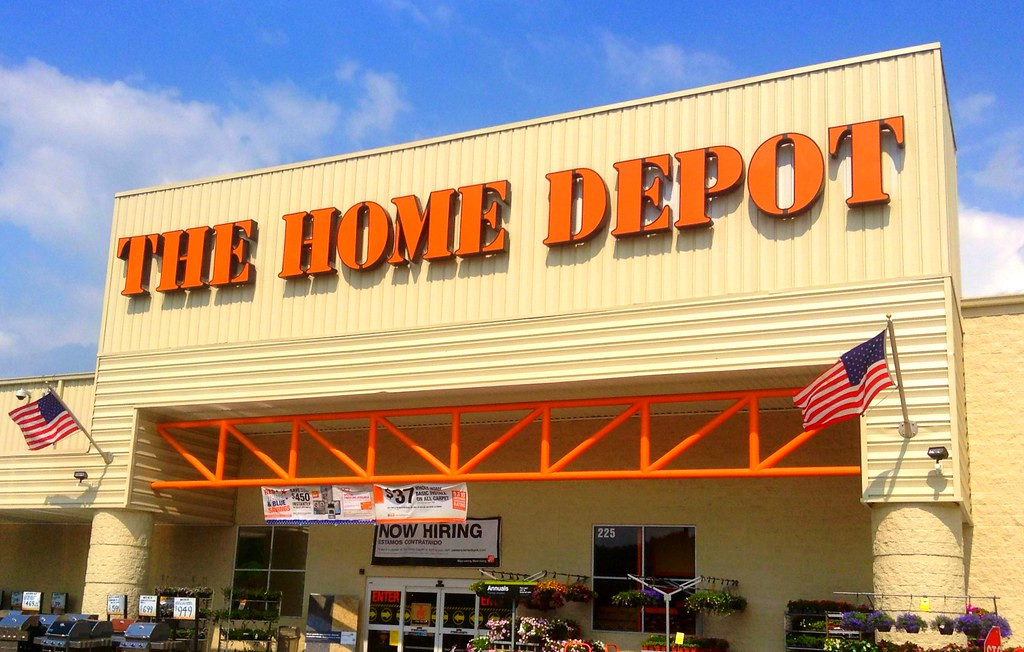
With Home Depot ($HD) set to unveil its Q2 FY2025 earnings on Tuesday, August 19, before markets open, the narrative centers on whether the gains from its expanding Pro business and operational synergies can offset a still-cautious consumer, especially amid high borrowing costs and macroeconomic headwinds. Analysts anticipate revenues of $45.3–$45.5 billion and adjusted earnings around $6.8 billion, translating to an EPS of approximately $4.71—a modest climb from a year ago.
From Q1 to Now: The Macro and the Pro Pull
Home Depot’s Q1 performance laid the groundwork for Q2 expectations. Total sales rose 9.4% to $39.9 billion, but only thanks to the extra week in the fiscal quarter; comparable-store sales slipped slightly by 0.3% overall, with U.S. comps inching up just 0.2%. Management stuck to its FY2025 outlook, forecasting about 2.8% total sales growth, 1.0% comp growth, gross margins near 33.4%, and adjusted EPS down 2–3% from FY2024’s $15.24.
High mortgage rates—hovering around 6.8%—continue to deter large-scale remodels and home sales, hitting discretionary projects hard. Still, some cash-rich homeowners seem to be adapting to this "new normal," choosing not to wait any longer given that interest rates aren’t expected to fall soon.
SRS and GMS: Building Deck Around the Professional Base
The true story in Q2 revolves around Home Depot’s strategic ramp in the professional (Pro) segment. Last year’s acquisition of SRS Distribution added nearly six weeks of revenue in Q2 2024—some $1.3 billion—and was instrumental in stemming sales declines.
Now, Home Depot is advancing that Pro play aggressively. In late June, it announced a $5.5 billion acquisition of GMS Inc., which will be folded into SRS. This move deepens capabilities in specialty materials—think drywall, steel framing, and commercial construction products—and, upon completion, will create a nationwide Pro distribution network of 1,200+ locations with 8,000 delivery trucks.
This Pro expansion isn’t just for scale—it’s a deliberate shift to diversify Home Depot’s revenue mix toward business customers who may be less sensitive to the whims of the housing market than DIY homeowners.
Digital & Fulfillment: Quiet Advances
On the digital front, Home Depot continues to make subtle but strategic gains. In Q2 2024, online sales grew around 4%, and nearly half of those orders were fulfilled from stores, underscoring the success of its omnichannel posture. The expanded partnership with Instacart—now national—is beginning to bear fruit.
While not flashy, these improvements matter. They offer flexibility in both customer access and supply chain efficiency, reinforcing the “One Home Depot” strategy that blends physical and digital strengths.
What to Listen for on the Earnings Call
As Q2 results arrive, here are the threads I’ll be listening for—and they’ll likely determine how the stock reacts:
-
Revenue Mix and Pro Contribution: How much of Q2 growth came from SRS/GMS and Pro-specific categories versus core DIY? Any signs of Pro accelerating would be a powerful signal of sustainable growth.
-
Comp Sales & Big-Ticket Trends: Are large, financing-dependent projects still under pressure, or is there a thaw? A slight rebound could signal that deferred demand is starting to materialize.
-
Margin Dynamics: The street expects EPS to inch upward despite modest revenue gains. That hinges on improved gross margin from operational synergies and control over interest expense (guidance for FY25 interest cost is about $2.2 billion).
-
Outlook for H2: Will they reaffirm FY2025 targets—or pre-announce a shift? Retail peers have been cautious, and a conservative tone could weigh heavily despite a solid print.
Investor Sentiment: From Caution to Constructive
There’s a growing chorus from the investment community suggesting the worst of the housing-driven downturn may be behind us. Telsey Advisory Group recently reiterated a “Buy” rating on August 13, setting a $455 price target. The firm sees positive momentum building—comparable sales turning around, homeowners benefiting from rising equity, and the company’s digital and work-from-home tailwinds helping to drive demand—though they note it may take several quarters before this translates into results.
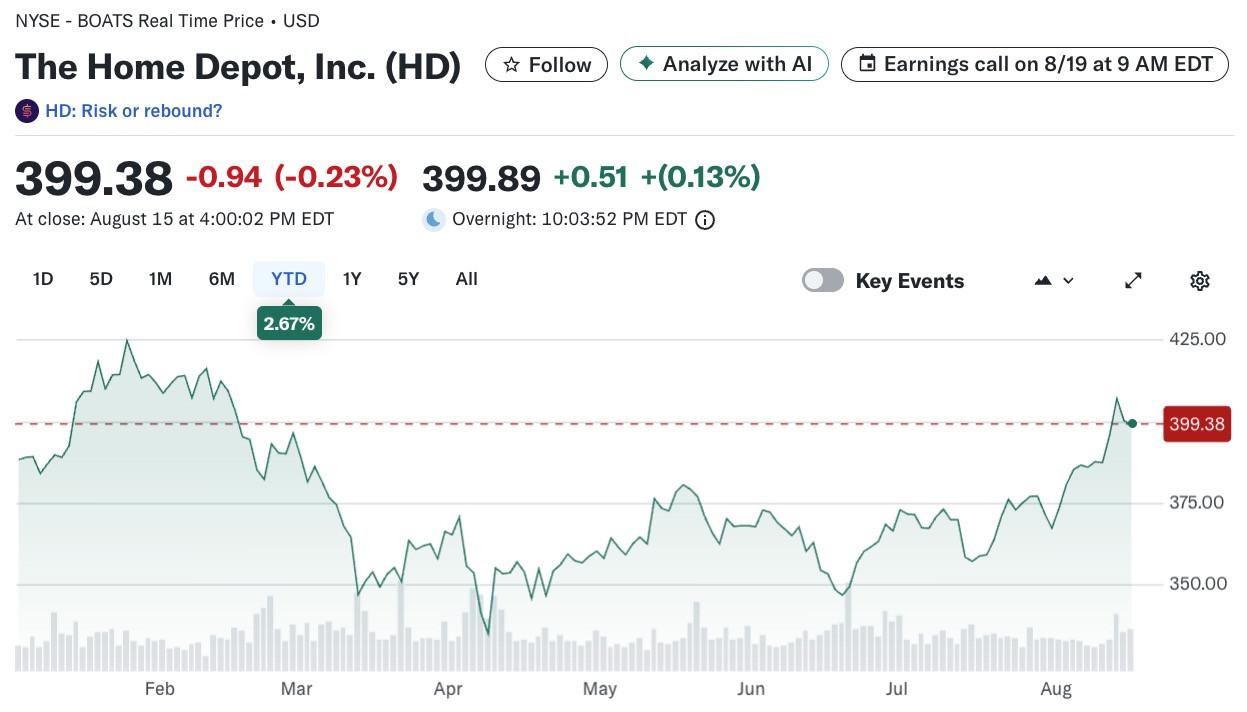
Other analysts have been similarly constructive: Truist Financial maintained a “Buy” with a $433 target, while Piper Sandler also kept a “Buy,” though it trimmed its target to $408 from $418, reflecting some caution around near-term consumer trends. Taken together, the latest analyst commentary shows confidence in Home Depot’s longer-term positioning, even as opinions differ on how quickly housing-related demand will rebound.
Bottom Line
Home Depot heads into its Q2 earnings release with a dual identity: the steady retailer navigating sticky consumer trends, and an expanding Pro enterprise laying the foundation for future resilience. If the company can deliver a clean beat in EPS, backed by visible Pro strength and margin discipline, investors may well reward it—even in a high-rate environment. Conversely, a muted H2 tone or lack of integration traction could temper sentiment, despite a solid quarter.
Earnings tomorrow won’t just reveal numbers—they’ll test whether Home Depot’s strategic pivot toward Pro and operational integration is starting to deliver tangible financial results. That story is what really counts.
#Q2 Earnings Hunter: Share Your Stories#$Home Depot Inc.(HD)