
Earnings Up, Worries Down?: Why U.S. Stocks Keep Climbing — and What Could Change

$SPX ’s repeated record highs track a swift upward revision in corporate earnings expectations — the fastest pace in nearly four years — driven by companies absorbing tariff pain, squeezing costs, and benefiting from a weaker dollar. But strategists warn the momentum may fade as tariff effects and margin pressures ripple through supply chains over coming quarters.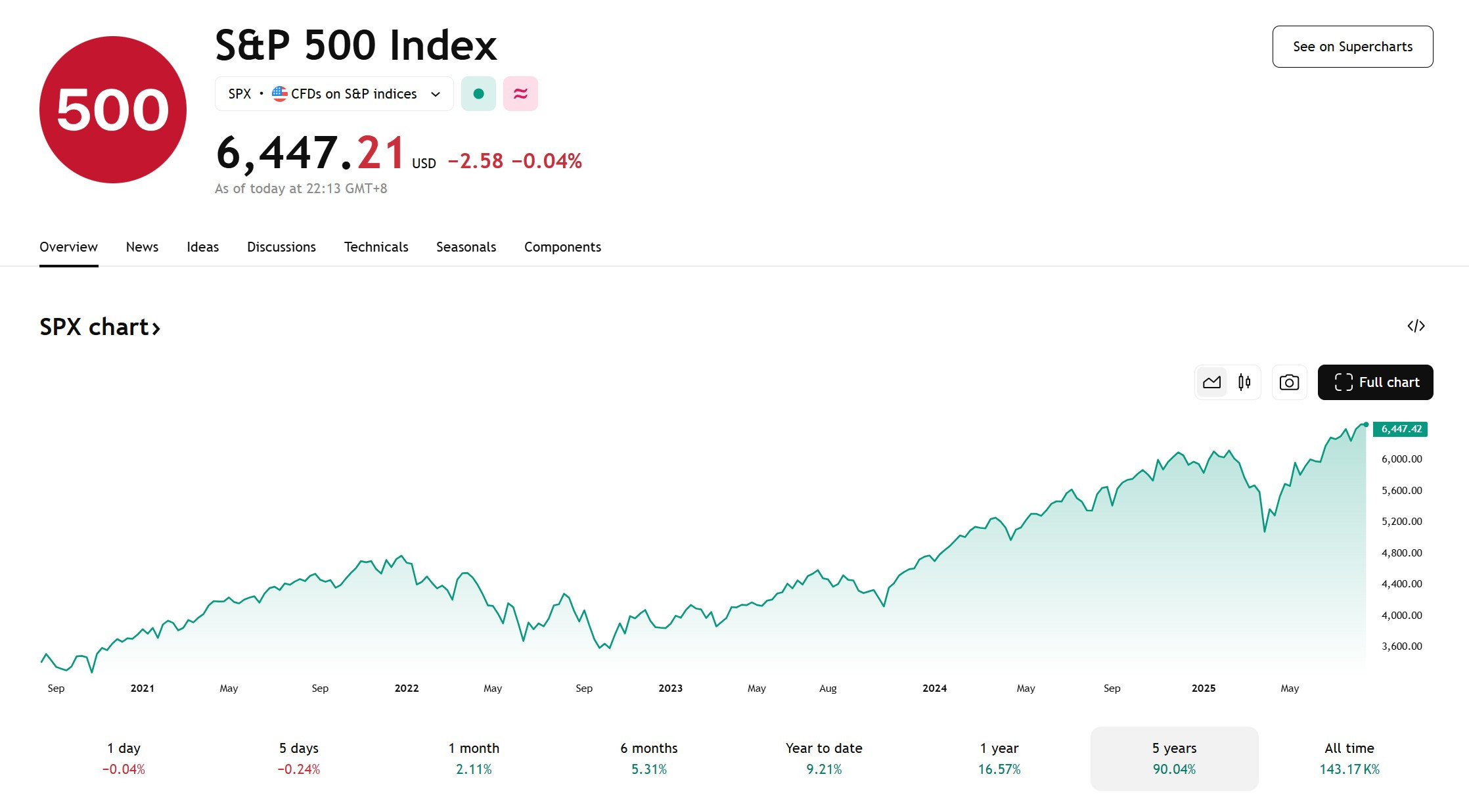
Key Points
- Citi’s EPS-revision index is at its highest since Dec 2021.
- Bloomberg Intelligence’s forward-guidance metric sits near four-year highs.
- Analysts now see ~9.2% $SPX EPS growth for 2025; consensus EPS ≈ $269 (vs $273 at start-of-year and $279 a year ago).
- ~92% of S&P firms have reported; 60% beat EPS by more than one standard deviation — among the highest frequencies on record.
- Only ≈25% of S&P companies have issued quarterly guidance; ~90 firms have given Q3 EPS targets so far.
- Strategists warn the upgrade wave could fade; smaller firms are more vulnerable than large multinationals.
Why are analysts suddenly so upbeat?
Analysts upgraded earnings at speed because companies outperformed conservative expectations and corporate guidance tilted positive.Citi’s revision index and Bloomberg’s guidance metric both show unusually strong upward momentum compared with the pandemic and post-pandemic years.
Companies reported resilience by renegotiating with suppliers, reconfiguring supply chains, cutting costs and, where possible, passing higher costs to consumers.A weaker dollar added an extra tailwind to multinational sales, boosting top-line figures for large-cap exporters and global retailers.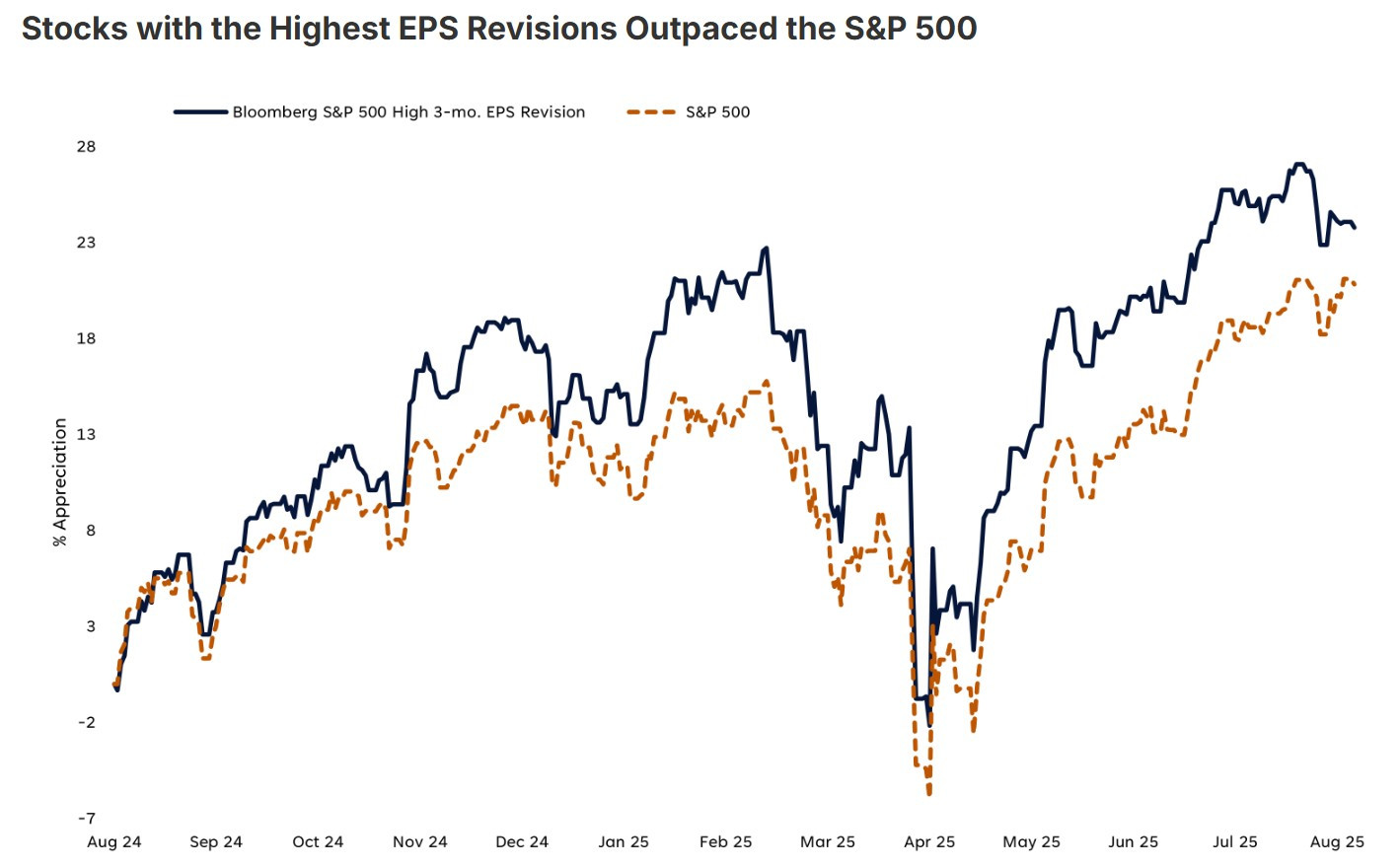
How did firms deliver so many beats?
Many companies benefited from a softer revenue benchmark — analysts had trimmed forecasts amid tariff fears, lowering the bar for outperformance.When companies reported, a high share exceeded expectations by a wide margin, producing the unusually frequent, large EPS beats Goldman highlighted.
Operational fixes — contract talks with suppliers, inventory adjustments, and disciplined cost control — kept margins intact. Retailers and consumer names with pricing power appear to have shifted at least part of the tariff burden onto customers, blunting margin erosion.
Is this strength durable — or a temporary reprieve?
Caution: tariff impacts historically show up with a multi-quarter lag. Analysts warn the full hit to supply chains and margins could take months to surface.
PNC’s chief strategist Yung-Yu Ma says recent revisions reflect growing belief tariffs won’t be “economy-destroying,” but companies and analysts are still waiting to see effects play out.
Goldman’s David Kostin expects the current surge in analyst revisions to moderate, calling broad margin expansion “unrealistic.” NEIRG’s Nick Giacoumakis likewise warns that sell-side and corporate forecasts could be pared back in coming months.
Who’s winning — and who’s vulnerable?
Large multinationals are the clear winners: their global footprints and pricing power let them capture currency gains and pass through costs.
Small firms lack that flexibility; strategists note smaller companies are more exposed to sales weakness and margin squeeze if tariffs bite.
Bloomberg Intelligence found the most upbeat guidance momentum concentrated in tech and discretionary sectors — the same groups that historically lead both upside surprise and downside vulnerability.
Investors should expect growing divergence between large-cap resilience and small-cap sensitivity.
What to watch next: near-term signals that matter
Major retailers such as Walmart and Target will report soon — their results will be an early read on U.S. consumer resilience as tariffs hit.
Pay attention to further corporate guidance: only a quarter of S&P firms have issued quarterly guidance, so new guidance could shift consensus materially.
Monitor margin language: watch whether companies still point to supplier negotiations and pass-through pricing as ongoing levers, or whether cost pressures are beginning to bite.
If fewer firms can pass costs forward, analyst upgrades may reverse and the S&P’s earnings story could stall.
How investors should think about positioning
The current market rally rests on earnings resilience backed by operational fixes and a weaker dollar. That thesis is plausible — but conditional.
Investors should weigh exposure to large multinationals that benefit from currency and scale advantages, while monitoring signals of margin deterioration among smaller firms.
Hedging small-cap exposure or trimming positions where guidance becomes cautious are pragmatic moves for risk management.
Look for conviction in corporate commentary: a sustained shift from “we absorbed this” to “this is starting to hurt” should prompt a reassessment.
Bottom line: enjoy the gains, but expect a check-up
Stocks have run higher because earnings expectations have been revised up aggressively, producing a virtuous cycle of beats and optimism.
Yet the real economic test of tariffs, along with potential margin pressure and smaller-firm vulnerability, may still lie ahead. The current story is strong — but not bulletproof. Investors should keep watching guidance, retailer results, and margin commentary for the first clues that the rhythm of upgrades is easing.