
Jackson Hole's Tightrope: Will Powell Calm Markets or Trigger a Panic?

Historically U.S. equities tend to inch higher during Jackson Hole week, but this year looks different. Chair Powell faces a political and data-driven squeeze — hinting at cuts risks spooking markets, while standing firm risks stoking recession fears. Investors are already trimming positions and buying catastrophe protection, even as strategists flag five-year Treasuries as a preferred hedge.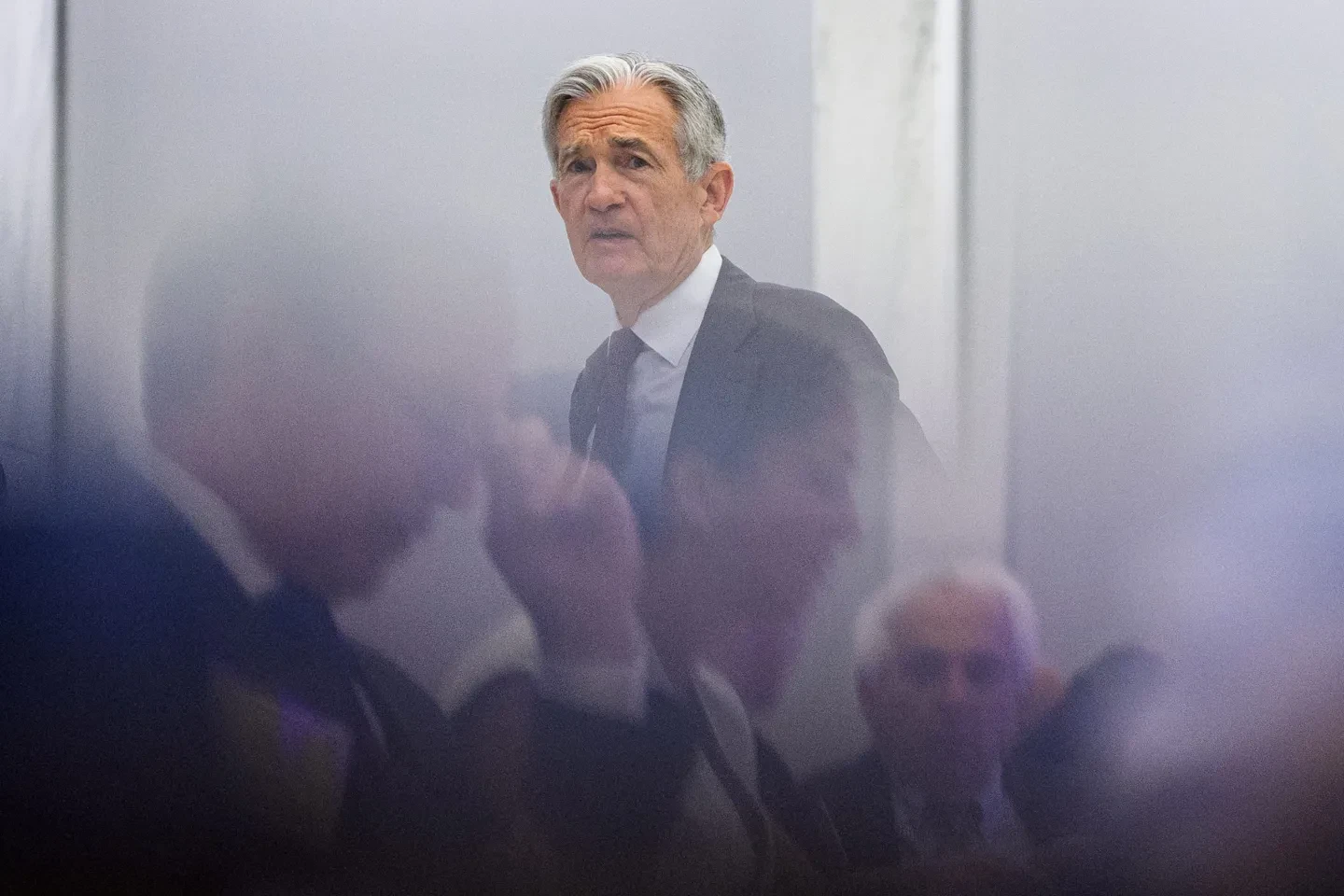
Key Takeaways
- Since 2009, $SPX ’s median return during Jackson Hole week is +0.8%; only 5 of 16 post-2009 conferences saw weekly losses.
- iShares 20+ Year Treasury ETF posts a median gain of 0.2% in Jackson Hole weeks — bonds typically rise, but less than stocks.
- Fed futures price an >80% probability of a September rate cut. Two Fed governors dissented in July, voting for a 25bp cut — the largest count of dissenters among governors since 1993.
- Goldman’s Josh Schiffrin calls five-year U.S. Treasuries his “favorite trade,” finding yields in the ~3%–4% band attractive and protective.
- Traders are buying disaster puts on QQQ (Nasdaq-100), with skew near a three-year high; one suggested spread is long Oct 17 570-strike puts, short twice the 515-strike puts to finance cost.
- Recent weak payrolls: July added +73,000 jobs versus +106,000 expected — a key data point feeding cut expectations and political pressure.
Why Jackson Hole usually helps stocks — and why that might fail this time?
Historically, Jackson Hole week has a mild bullish bent: a median S&P weekly rise of 0.8% since 2009. That pattern, however, is a statistical backdrop — not a guarantee. When global policymakers or the Fed deliver clear, market-friendly signals, risk assets often rally into or through the symposium.
This year, the backdrop is different. The market has aggressively priced a September cut, political pressure on the Fed is louder than usual, and recent employment data looks soft. These dynamics amplify the chance that any ambiguity or hawkish pushback from Powell could produce outsized volatility rather than the usual muted positive drift.
Powell’s dilemma: hint at cuts and markets panic, stay firm and politics roar
Powell speaks Friday at 10:00 p.m. Beijing time — a high-leverage moment. To signal a forthcoming cut, he would need to acknowledge labor-market weakening. But blunt talk about a deteriorating jobs picture could alarm investors, amplifying recession fears and triggering sharp drawdowns in richly valued sectors.
Conversely, denying the market’s cut expectations risks a painful repricing. Futures currently place a high probability on a September cut; if Powell dampens those expectations, the immediate reaction could be a surge in yields and a decline in growth-sensitive equities.
The Fed’s internal fissures make matters worse. In July, two governors dissented and voted for a 25bp cut — the most dissenters among governors since 1993 — underscoring genuine debate inside the institution about the right policy path.
Where traders are putting their money: five-year Treasuries and “disaster” puts
Goldman’s Josh Schiffrin names five-year Treasuries his favorite trade, arguing that yields in the 3%–4% bracket offer an attractive balance of income and protection if risk assets fall. As growth uncertainty rises, short-to-intermediate Treasuries can act like a soft landing hedge.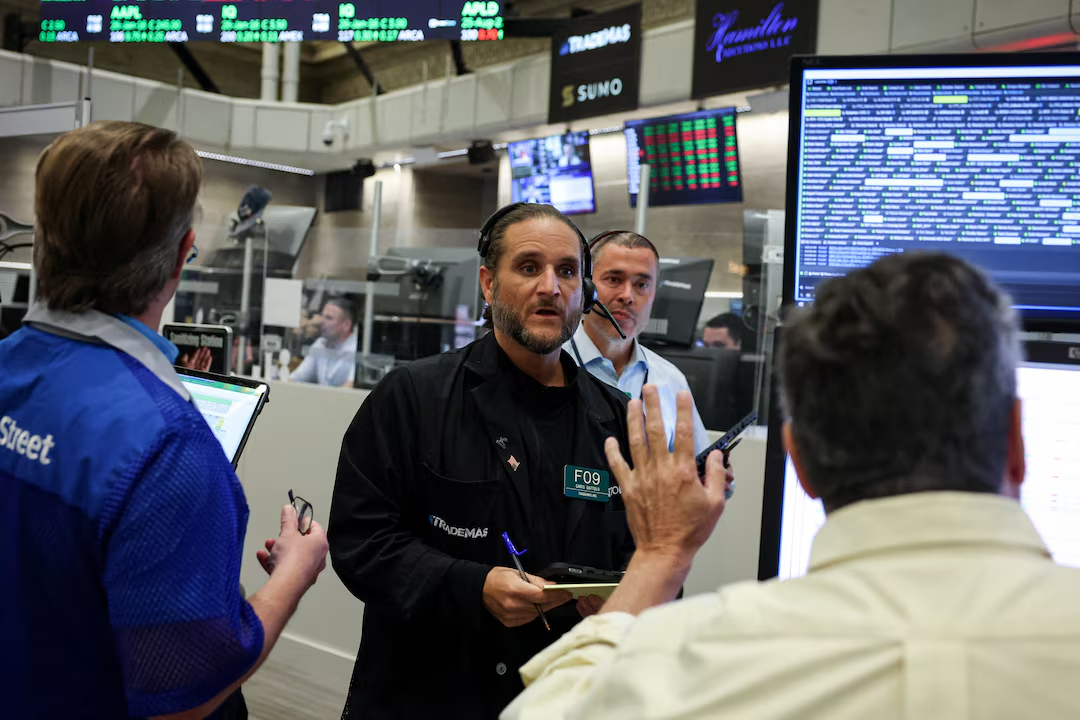
Meanwhile, options markets show rising fear around tech. Traders have been buying deep downside protection on the QQQ ETF, reflecting concerns that a repeat of April’s selloff is possible. The cost and skew dynamics suggest market participants prefer insuring against a large tech drawdown rather than a shallow dip.
A concrete trade floated by one derivatives strategist: buy Oct 17 570-strike QQQ puts and sell twice as many 515-strike puts. That ratio punishes very deep crashes but profits from moderate declines — an insurance-style position that reflects concern about outsized, not incremental, downside.
How concentrated tech gains and recent macro shocks raise the stakes
The rebound since April has been dramatic. The Nasdaq-100 rallied roughly 40% from the April low, and the Bloomberg basket of seven mega-cap tech names climbed nearly 50% from the same trough. That concentration means any macro or idiosyncratic shock can produce large index moves.
Multiple upcoming catalysts increase the risk of a “sell-first, ask-questions-later” reaction: Powell’s Jackson Hole address, earnings from AI-heavy names like Nvidia, and continued tariff rhetoric. The memory of the April rout — a more than 20% fall from the February high to the April low — looms large in traders’ minds and explains why many now buy tail protection rather than ride the momentum.
Market positioning: some want protection, others still favor risk
Not everyone sees doom. Some strategists recommend defending exposure differently — for example, short small-caps (Russell 2000) and pair with long Nasdaq-100 exposure — betting that breadth will lag while megacaps remain tactical winners.
But the noticeable trend is precaution. Hedge and prop desks are paying up for disaster puts. This asymmetric insurance appetite is a signal: institutions are prepared to accept a drag on returns today in exchange for protection against an abrupt re-pricing.
Practical implications for investors: trim, hedge, or hold cash?
If you’re an investor facing Jackson Hole-week uncertainty, the conversation among strategists and traders suggests three common plays:
- Trim cyclically sensitive or richly valued positions ahead of the speech. With valuations high, the market may be more reactive to any negative surprise.
- Use defensives: short-to-intermediate Treasuries (five-year) look attractive as both yield and insurance, according to Goldman.
- Consider targeted option hedges if you fear a concentrated tech drawdown — but be mindful of costs and structure (ratio spreads trade off deep crash protection for cheaper insurance).
These aren’t one-size-fits-all recommendations; they mirror the market’s current tilt toward protection and the specific trades that strategists and traders are voicing.
What could break the fragile setup?
Several outcomes would materially change the market’s trajectory. A clear, confident statement from Powell that preserves a cut path without admitting labor-market weakness could soothe markets and validate the recent rally. Stronger-than-expected payrolls or surprising inflation resilience would push the Fed off the easing script and potentially spark a repricing higher in yields and pressure on equities.
Conversely, a more hawkish or ambiguous tone that undercuts cut expectations would likely cause rates to jump and risk assets to slip. And if Nvidia or other AI leaders disappoint on earnings, that would likely trigger a reassessment of the valuation premium concentrated in a handful of names.
Bottom line: history helps but doesn’t absolve risk
Jackson Hole week has historically favored equities, but history is not destiny. This year’s unique mix of political pressure, dovish market pricing, weak payrolls, and concentrated tech gains creates an environment where the usual benign pattern could break.
Investors should treat Powell’s remarks as a potential market catalyst, not merely a headline. The evidence shows a market already tilting toward protection — from five-year Treasury positioning to an uptick in catastrophic QQQ puts. Whether that protection is prescient or costly insurance will depend on two things: the tone of Powell’s speech and the earnings flow that follows.