
Vision Fund Earns 4500 Billion Yen in a Quarter!

Lately, Masayoshi Son has been smiling.
First, SoftBank’s stock hit an all-time high, and its Vision Fund staged an impressive comeback. Second, SoftBank’s $2 billion investment in Intel has secured an early ticket to “Made in the USA.”
Last year, a frowning Son might have been a common sight—will he be laughing loudly this year?
Vision Fund Rakes in $22 Billion in a Single Quarter
Recently, SoftBank Group released its Q1 2025 fiscal year earnings (April-June), with the Vision Fund leaving a striking “deep V” recovery curve on the market.
The quarter’s results showed the Vision Fund’s investment gains reached 726.837 billion yen, a staggering 380-fold increase from the 1.911 billion yen in the same period last year. Pre-tax profit hit 451.394 billion yen, compared to a 204.301 billion yen loss in the prior year.
Alongside this turnaround, the fund’s net asset value is rebounding, with Vision Fund I and II combined rising from $168 billion at the end of March to $193 billion, a 15% quarterly gain.
SoftBank attributes the growth to returns from investments in Singapore ride-hailing giant Grab Holdings and Indian food delivery leader Swiggy, among others.
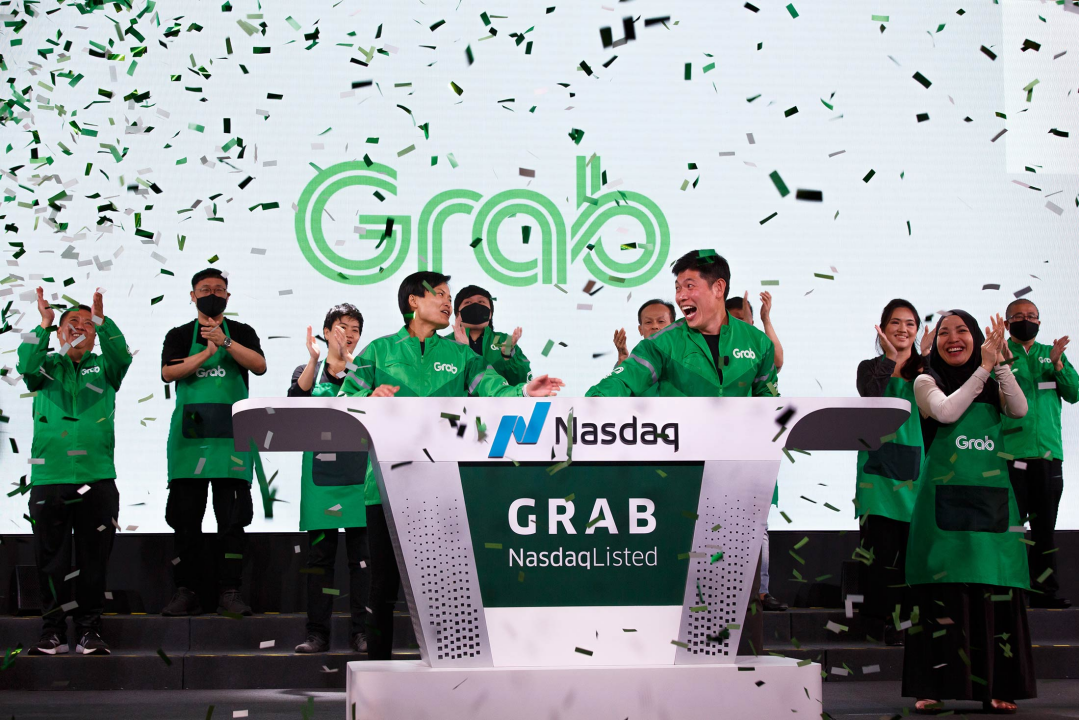
Swiggy, India’s top food delivery platform, went public in July with an issue price of 390 rupees, surging 35% on its debut day. With an 11% stake, Vision Fund booked a $650 million unrealized gain in the quarter.
Additionally, in Q2, the fund raised cash and locked in $570 million in hedging profits by selling $4.8 billion in old T-Mobile US shares and trimming some DoorDash warrants.
As is well known, Vision Fund I broke records with a $100 billion fund size, earning the title of “the largest single PE fund in global venture capital history” at its inception. Vision Fund II upped the ante with an astonishing $108 billion, cementing that reputation.
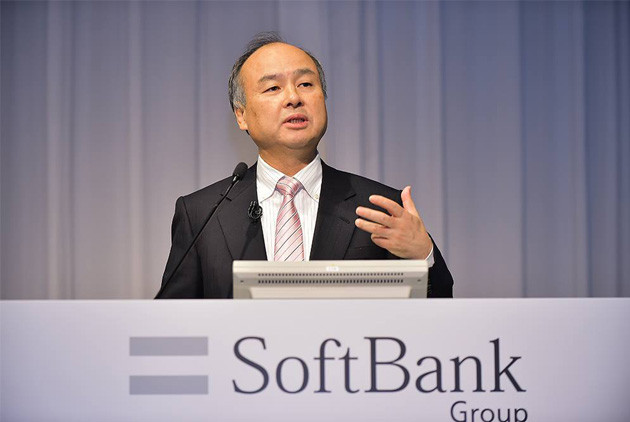
Coupled with Son’s aggressive investment style—“if you don’t take my money, I’ll fund your competitor”—the diminutive Son stands as an undeniable “PE giant” in the global venture capital arena.
Moreover, with two consecutive profitable quarters, SoftBank’s board decided to fully execute the 500 billion yen share buyback plan approved in August 2024 ahead of schedule, having already repurchased 330.3 billion yen.
The buyback, paired with better-than-expected earnings, pushed the stock price past 5,700 yen, up 44% year-to-date, outpacing the Nikkei 225 by 18 points.
$2 Billion Stake in Intel
Recently, SoftBank Group plans to invest $2 billion (approximately 158 billion yuan) to purchase newly issued Intel (INTC.US) common stock at $23 per share. Post-investment, SoftBank will become Intel’s fifth-largest shareholder.
Media reports indicate SoftBank and Intel signed a final agreement on August 19, with the deal expected to close by late September. The $2 billion will be paid in cash, securing about 87 million shares, or roughly 2% of Intel’s total equity.
The $23-per-share price reflects a 4.5% premium over the 30-day average prior to the agreement but falls below Intel’s 2024 net asset value range of around $26. Analysts suggest this is a “friendship price” with strategic intent.
Intel is building four advanced 2nm-or-below wafer fabs in Arizona, Ohio, and New Mexico, with a total investment of $100 billion. SoftBank is betting on the long-term gains from U.S. advanced manufacturing capacity returning home.
Intel CEO Pat Gelsinger and Son have been friends for over 20 years, making SoftBank’s entry a “golden ticket” for Gelsinger’s revival plan. Last week, Trump publicly questioned whether Gelsinger should step down, but SoftBank’s timely move reassured Intel’s board.
Additionally, with the U.S. president planning 100% tariffs on overseas chips but exempting domestic manufacturers, SoftBank’s stake in Intel secures an early “Made in the USA” pass.