
Night Shift for Hong Kong Markets: Could 24/5 Trading Supercharge Brokers?
Hong Kong Exchanges & Clearing (HKEX) has launched a formal study into extending trading hours after noting $NDAQ ’s plan for a five-day, 24-hour trading model in the second half of 2026 — a move that, if adopted, could materially boost HKEX and brokerages and turbocharge market activity.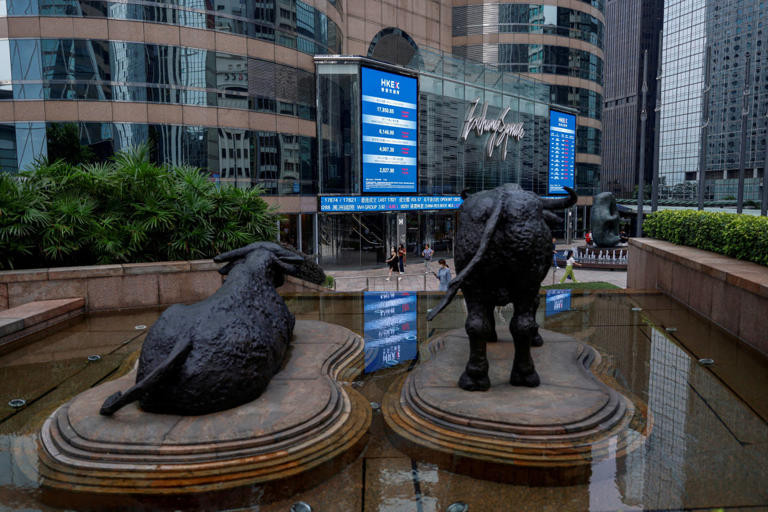
Key Points
- HKEX will study a 5-day, 24-hour trading mechanism, citing $NDAQ ’s H2 2026 proposal and a “cautious, phased” approach.
- Any implementation depends on system upgrades, stronger risk controls and a mature regulatory framework.
- HKEX says its tech platform could support T+1 settlement by year-end, though market participants must decide timing.
- HKEX has cut tick sizes (first phase effective 4 August) and reported that the “tech route” has attracted 50 new 18A/18C IPO applications.
- Market momentum is clear: Hong Kong securities ETFs are up more than 64% year-to-date, and analysts see re-rating potential for brokerage stocks.
What just happened? — Short version
At its mid-year results briefing, HKEX CEO Nicolas Chan (Chen Yiting) disclosed the exchange is examining whether to extend trading hours to a continuous 24 hours across five weekdays.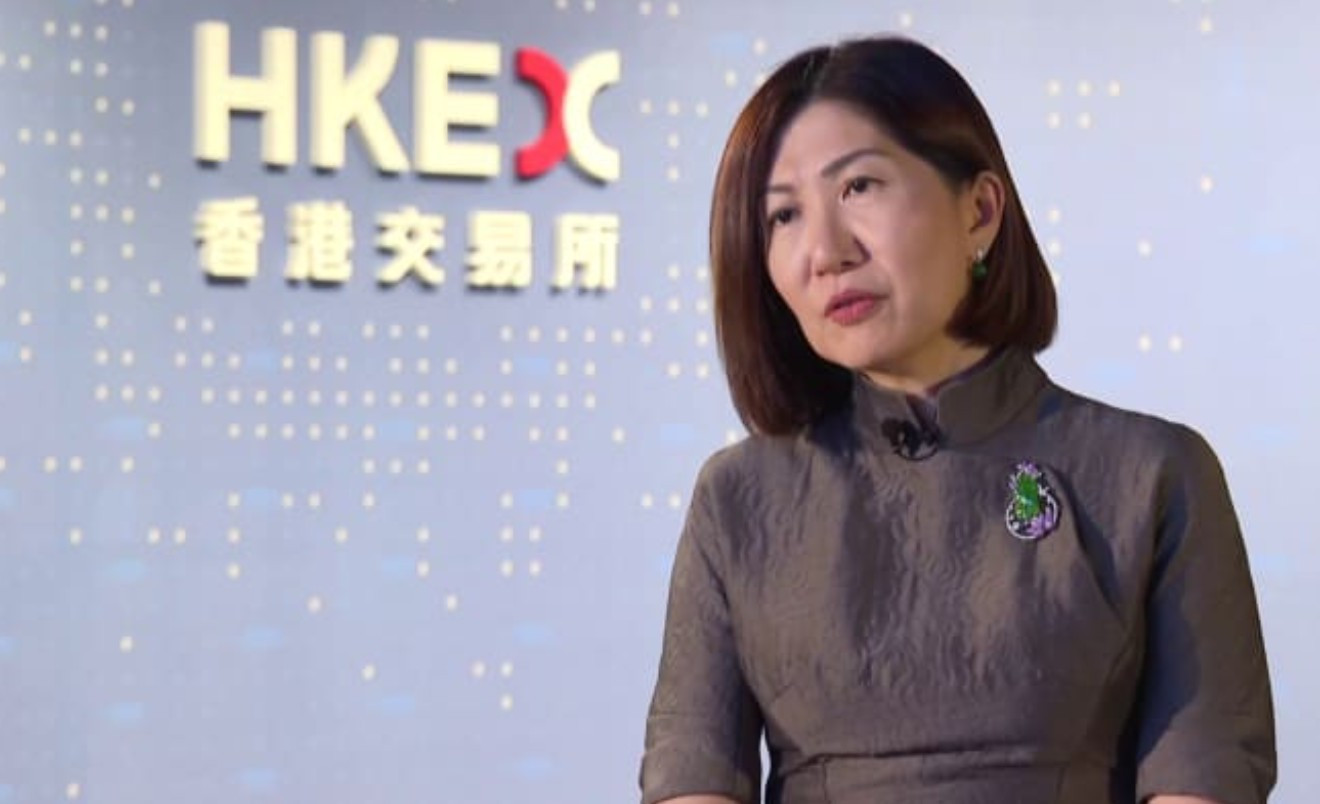
The exchange framed the study as “prudent and gradual,” noting that any decision would be grounded in international experience and tailored to Hong Kong’s market realities.
Why does Nasdaq matter here? — Quick context
Nasdaq has signaled it intends to pilot a 24/5 trading mechanism in the second half of 2026. HKEX explicitly referenced that timetable as part of the rationale for its own review.
HKEX’s public nod to Nasdaq makes clear this is not a speculative idea — it is a global shift that exchanges are actively watching.
Could this really lift brokerages? — The market case
If trading truly goes around the clock, brokers stand to gain from higher turnover, more trading fees and expanded product offerings across time zones.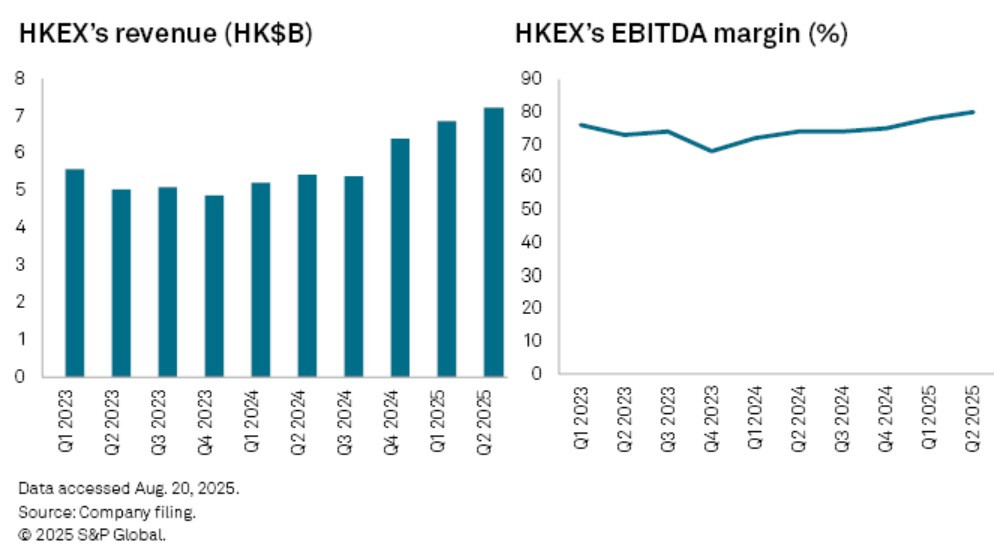
Hong Kong securities ETFs have surged more than 64% year-to-date, evidence that investor appetite and liquidity have been strong — a favorable backdrop for any execution-intensive business like brokerage.
What are HKEX’s guard rails? — Systems, risk, and rules
HKEX said implementation must await transaction-processing upgrades, enhanced risk management and regulatory changes.
The exchange stressed a “graduated” rollout, suggesting pilots and infrastructure tests would come before any full launch.
Where settlement fits in — T+1 capability
HKEX revealed its technology will be able to support a T+1 settlement cycle by the end of this year.
However, whether the market adopts T+1 depends on consultation with participants — HKEX will not unilaterally set the timetable.
What else is HKEX doing now? — Efficiency and listings push
HKEX recently cut minimum price-tick sizes in a first phase effective 4 August, lowering trading costs for mid-priced stocks.
Separately, the exchange has created a “tech route” for pre-revenue and R&D-heavy firms: since that route launched, 50 new 18A and 18C IPO applications have been submitted.
What analysts are saying — valuation and flow signals
Broker research argues the combination of sustained market momentum, structural reforms and policy support could lift broker earnings and valuations.
Data cited by market analysts put A-share and H-share broker P/B ratios at roughly 1.66x and 1.17x respectively; brokers’ prospective dividend yields sit in the low single digits. Analysts see room for relative re-rating under improving market conditions.
What could go wrong? — The constraints
Operational risk is the obvious limiter: 24/5 trading raises cyber, settlement and liquidity management demands.
Regulators and participants could also balk if off-hours trading amplifies volatility or fragments liquidity across time zones.
What investors should watch next — a short checklist
- HKEX’s published timeline and pilot details for any extended trading windows.
- Progress in system upgrades and risk-framework papers from HKEX.
- Market consultations and the decision on T+1 adoption.
- Follow-through on liquidity after the tick-size cuts and the impact of the tech IPO pipeline.
The bigger picture — why this matters beyond fees
A move to 24/5 trading would align Hong Kong more closely with global venues and could make its market a more attractive round-the-clock venue for Asia-Pacific liquidity.
That strategic positioning matters for HKEX’s long-term competitiveness and for the broader ecosystem of brokers, asset managers and listed companies.
Bottom line
HKEX’s study of a 24/5 trading model is a signal that global exchanges are rethinking market structure for a 24-hour world. The exchange is proceeding cautiously: upgrades, risk controls and regulatory readiness are prerequisites. If implemented, extended hours could be a major positive for brokerages and market liquidity — but the path from study to live trading is neither short nor guaranteed.