
Can Powell Weather the Political Storm?: Is the Fed’s Independence at Risk?

Federal Reserve Chair Jerome Powell faces an uncommon collision of politics and economics that threatens the Fed’s ability to act independently. President Trump’s public attacks, personnel pressure on governors, and high-level calls for aggressive rate cuts have placed Powell between investor expectations and the Fed’s core mandate. His Jackson Hole speech is now widely seen as a pivotal test of whether the Fed will defend technocratic judgment over political convenience.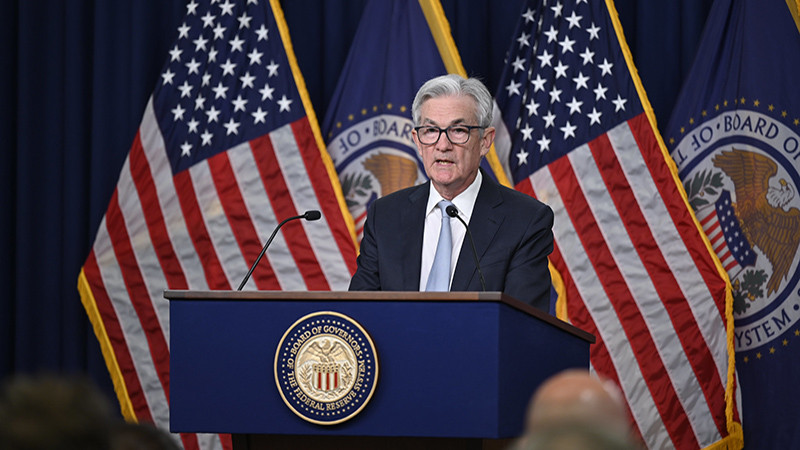
Key Points
- President Trump publicly insulted Powell and demanded immediate rate cuts.
- Senator Bernie Moreno loudly accused Powell of partisan commentary; Powell said he comments only on inflation.
- Fed Governor Lisa Cook has been publicly challenged by the administration, and calls for her resignation were reported.
- Treasury official Scott Bessent publicly recommended a 50-basis-point September cut and lower rates, shifting market expectations.
- Economic data are mixed: core inflation fell to about 2.6% earlier this year and then edged toward 3%; unemployment is roughly 4.2% with slowing job growth.
Powell is no stranger to criticism, but the intensity has escalated into public humiliation, targeted personnel pressure and market-moving commentary from the Treasury. Those forces arrive against a backdrop of ambiguous data. The result: the Fed’s policy path looks less certain, and its independence feels more fragile.
The public confrontation: what we actually saw
A vividly public scene unfolded in Congress: Powell sitting alone in a wood-paneled hearing room while Republican criticism echoed the president’s calls for easier policy.
Senator Bernie Moreno accused him of partisan behavior; Powell reiterated he discusses only inflation. The president’s insults and demands for immediate rate cuts made the exchange unusually politicized for a sitting Fed chair.
Personnel pressure: why names now carry weight
Political attacks have targeted Fed personnel. Governor Lisa Cook, who generally votes with Powell, faced public accusations about mortgage applications and calls for resignation from the White House.
Because governors are presidential appointees, the White House can influence the Board’s makeup over time — a path that could tilt policy if pursued.
Markets and messaging: how words move prices
Treasury official Scott Bessent went beyond commentary and recommended a 50-basis-point cut in September, aiming for rates under 3%. Markets responded by pricing in more aggressive easing.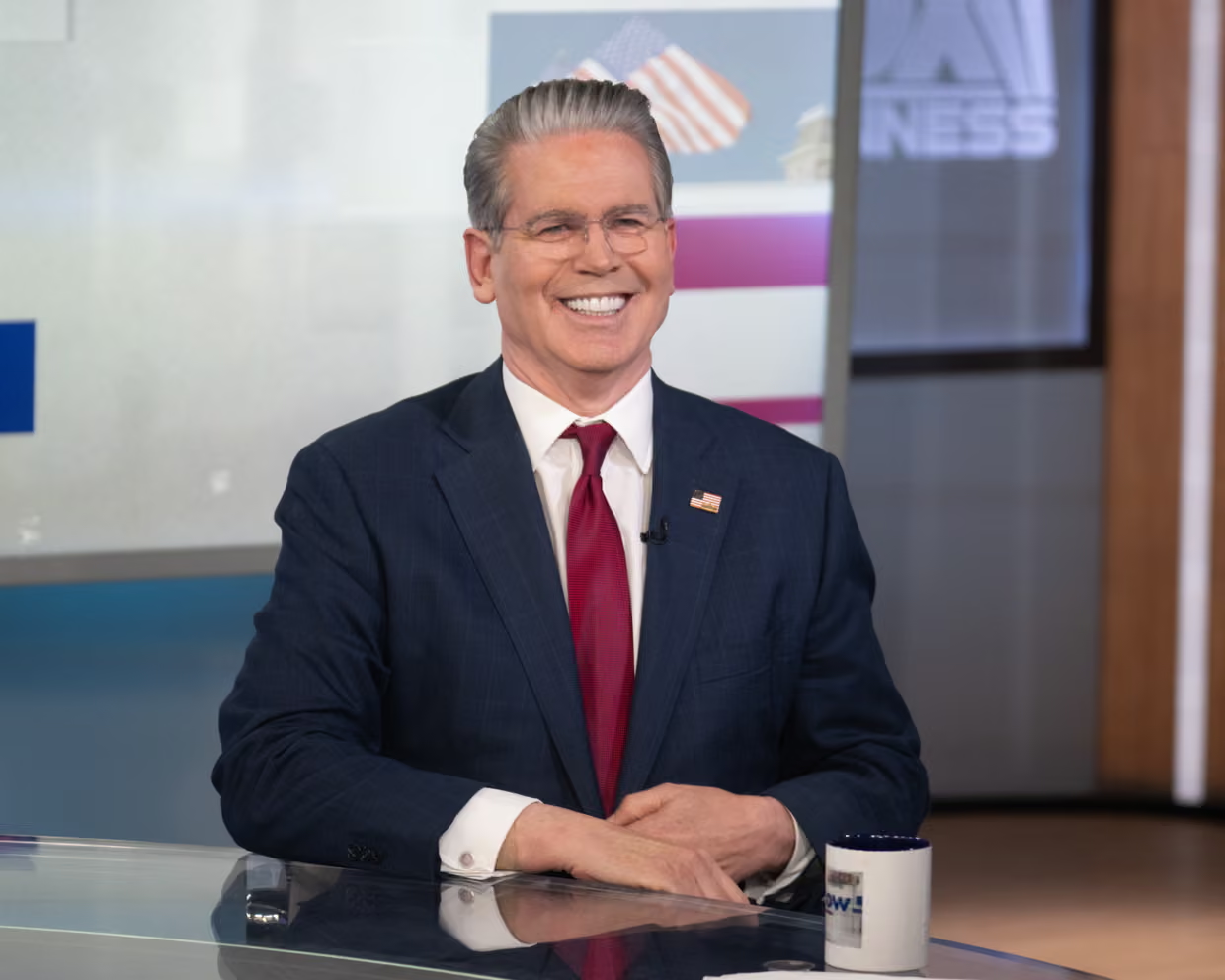
That creates a dilemma for Powell: follow markets and risk loosening policy prematurely, or hold firm and risk investor anger and volatility.
The policy dilemma in plain terms
The Fed’s tools are blunt. Hike too much and recession risk rises; cut too much and inflation risks persisting. Tariffs, immigration shifts and fiscal changes cloud the data on prices and jobs. Powell must judge whether recent inflation moves are enduring or transitory while assessing labor-market strength.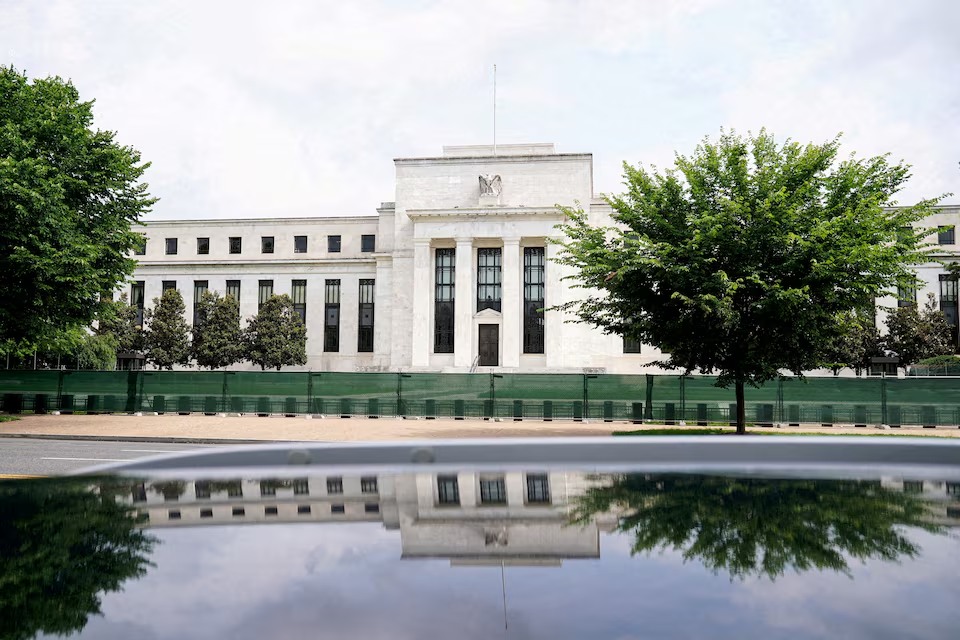
Internal division: do Fed officials agree?
Not entirely. Christopher Waller and Michelle Bowman recently voted for cuts, citing signs of labor-market softness. Other officials urged restraint, arguing tariffs’ inflationary effects are limited or uncertain. Regional Fed presidents and governors are split on how quickly policy should move.
Why Jackson Hole is now a political as well as a policy moment
Powell’s Jackson Hole address is more than a speech; it is a signal. If he signals openness to cuts, markets will likely cheer and view Treasury commentary as vindicated.
If he underscores data dependence and institutional independence, markets may be disappointed but the Fed would reinforce its technocratic role.
The institutional safeguards — are they enough?
The Fed’s structure offers buffers: regional presidents have staggered five-year terms and governors serve fixed terms. Yet governors are presidential appointees, which allows a determined White House to reshape the Board over time.
The real risk is not an immediate purge but a gradual remaking of personnel that shifts the Fed’s center of gravity.
The human element: Powell under pressure
Those close to Powell describe a measured, disciplined leader who channels stress into routine — swimming and training — and who draws strength from bipartisan private messages.
The weight of preserving the Fed’s credibility is a daily reality for him; insiders say he frequently thinks about how to protect the institution’s long-term standing.
The data that matter: a quick snapshot
Core inflation declined to about 2.6% earlier this year and has climbed back toward 3%. Unemployment hovers near 4.2% while job growth has slowed and some months were revised downward. These mixed signals are central to the Fed’s choice: to ease, hold, or act only if labor weakness deepens.
Three realistic scenarios ahead
- Hold the line: Powell emphasizes independence and data-dependence. The Fed resists pressure and acts only on compelling data, preserving credibility at the cost of short-term market discomfort.
- Preemptive easing: Powell leans toward the market narrative and cuts early. This calms markets but risks rekindling inflation.
- A calibrated middle: The Fed signals conditional openness to cuts tied to specific data thresholds, balancing markets and independence without full capitulation.
Why this matters beyond policy rates
This is not simply a debate about the timing of cuts. Eroding Fed independence can alter how markets price risk, how businesses plan for interest rates and how future administrations interact with monetary institutions. The long-term consequences could outlast any single chairman.
What Powell must convey at Jackson Hole
Powell’s immediate challenge is clarity: to show that the Fed will be driven by data and mandate, not by political pressure or market rumors.
Whether he chooses a firm defense of independence or a carefully negotiated signal of flexibility, the speech must convince both markets and lawmakers that monetary policy will remain anchored to long-term stability — not short-term politics.