
A 139-Year-Old Company Bankrupt

The consumer sector is currently experiencing a tale of two extremes. On one hand, new consumer stocks are hitting new highs, even rekindling the enthusiasm of venture capital investors in the primary market. On the other hand, the harsh winter for traditional consumer brands persists, with news of century-old chain brands filing for bankruptcy or shutting down emerging from time to time.
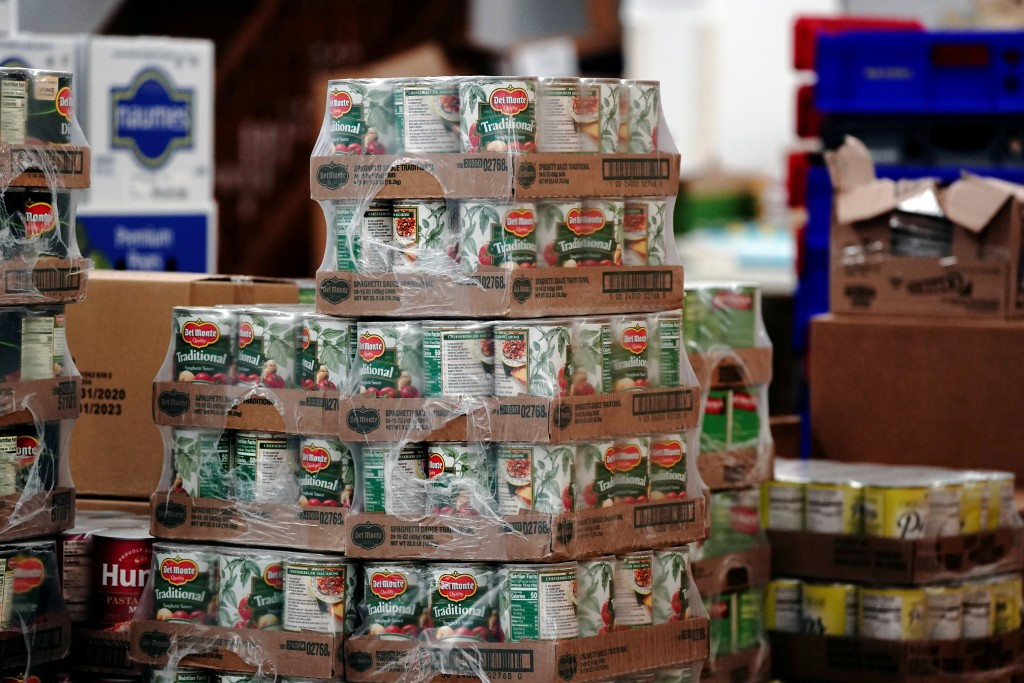
Just recently, the U.S.-based canned food company Del Monte Foods voluntarily filed for bankruptcy protection with the court.
Market sources indicate that the company plans to use a court-supervised asset sale process to find a buyer capable of leading it out of its current difficulties, aiming for a restructuring turnaround.
Del Monte Foods’ story began in 1886, marking 139 years of history. Its iconic pineapple cans once held a “prime spot” on American dining tables.
However, as consumer preferences evolved across generations and concepts like “no additives” and “health” became the focus of today’s shoppers, the once-popular canned goods—known for high salt, sugar, and fat content—gradually turned into a “negative example.”
In recent years, this century-old canned food brand attempted self-rescue through downsizing and transformation, but under the dual pressures of an unsuccessful pivot and fierce market competition, it ultimately headed toward bankruptcy.
The wheel of time rolls forward, yet some brands are left buried in its wake.
A “Living Fossil” Brand from the 19th Century
The origins of Del Monte Foods trace back to the 19th century. In an era when preserving fresh fruits and vegetables posed a significant challenge, a group of California farmers astutely identified the opportunity and decided to meet the growing urban population’s demand for convenient food through innovative canning technology, thus founding Del Monte Foods.
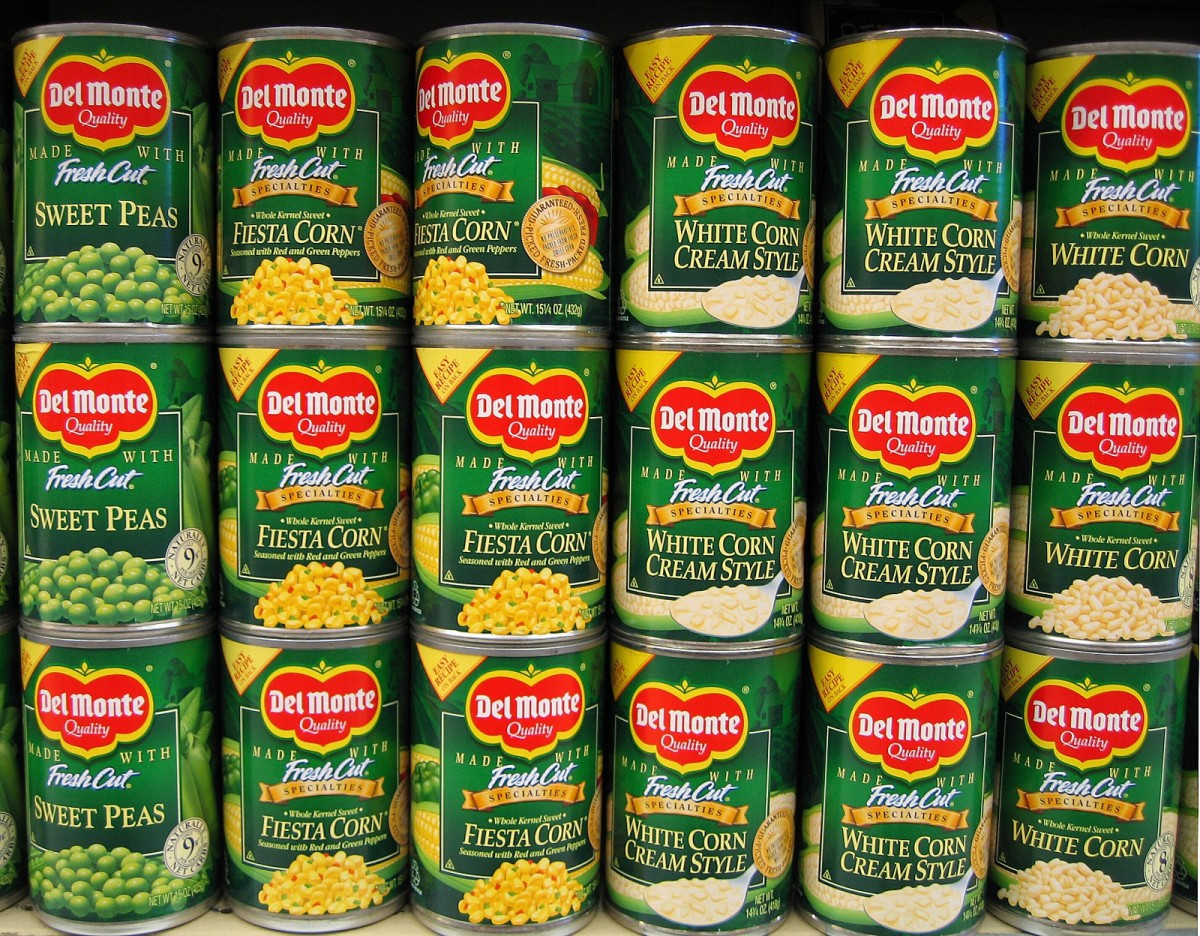
This marked the birth of the canned food giant. Their first product was pineapple cans, with pineapples primarily sourced from Hawaii, where transportation costs to the U.S. mainland were exorbitant, and freshness was hard to maintain.
Del Monte’s pineapple cans not only preserved the fruit’s flavor but also extended shelf life, quickly winning consumer favor. The company’s first growth peak came during World War II. In those war-torn times, ready-to-eat cans became more valuable than cash.
A widely circulated story recounts that during WWII, Del Monte cans were a staple in U.S. military rations, with soldiers even munching on Del Monte beans during the Normandy landings. What truly cemented its industry dominance, however, was the post-war “baby boom” opportunity.
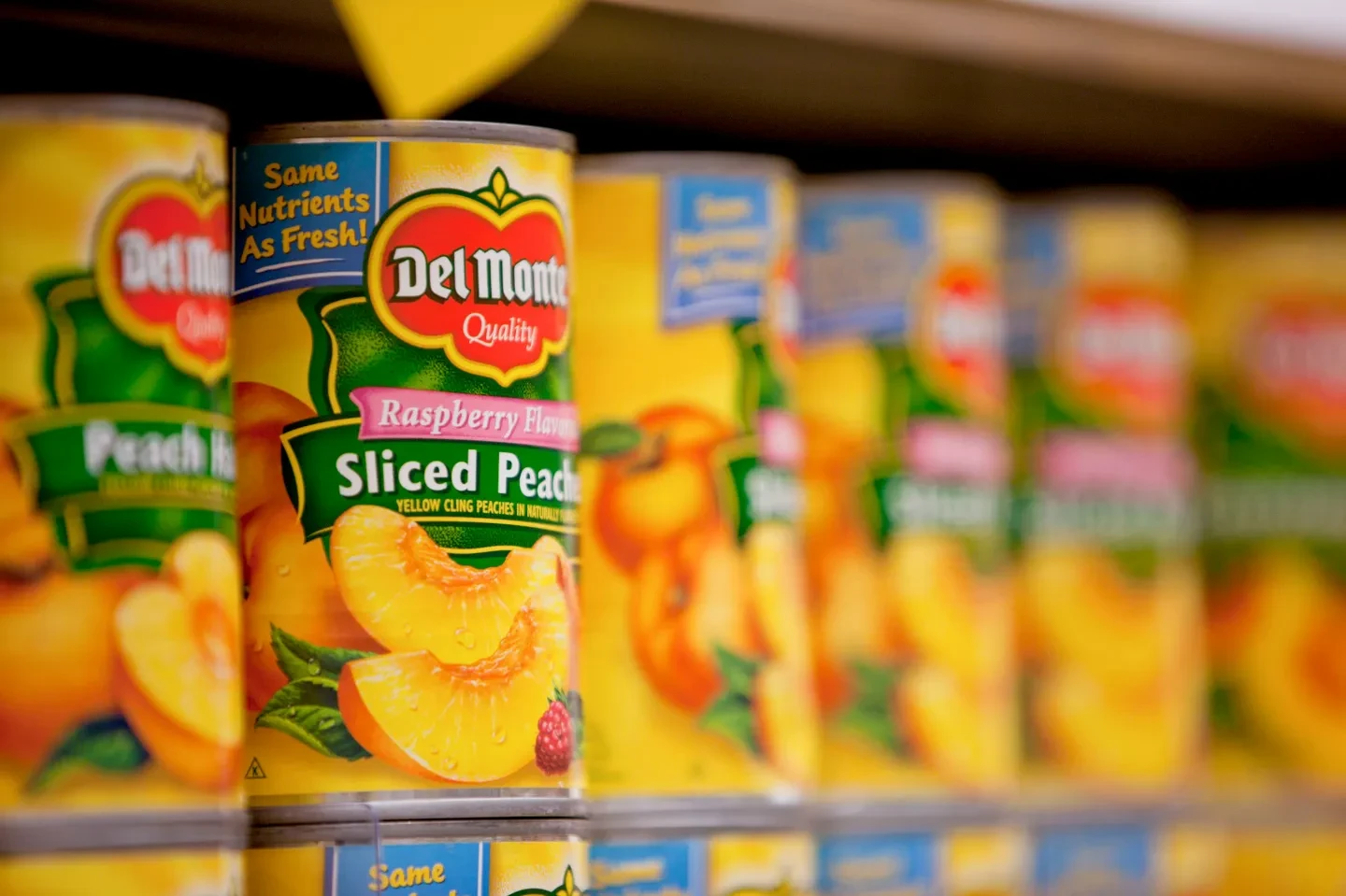
After WWII, returning soldiers triggered the first wave of the baby boom, fueling an economic surge in the U.S. The rise of dual-income households sparked a “convenience-first” food revolution. Del Monte promoted the “no washing, no cutting, open-and-eat” concept, packaging canned foods as a “totem of modern living,” perfectly aligning with the needs of fast-paced families.
Even today, Del Monte’s homepage still features a slogan from the 1950s: “Open Del Monte, enjoy modern living.” By the mid-20th century, Del Monte had established thousands of specialty stores and supermarket counters across the U.S., with its products nearly ubiquitous.
At its peak, annual sales reached billions of dollars. During this period, multiple brands under the company—Del Monte cans, College Inn soups, Joyba tea drinks—rapidly expanded into the market. According to market research data from that time, Del Monte Foods held over 40% of the U.S. canned food market, firmly securing the top spot.
Success and decline were both shaped by the times.
Looking back from the 19th century to the mid-20th century, Del Monte Foods’ development seemed to hit every era’s sweet spot. However, entering the 1990s, with growing health awareness, consumers’ focus on food ingredients reached unprecedented levels, driving a sharp increase in demand for “no-additive, low-sugar, low-salt” products.
This caused Del Monte Foods’ core advantage to collapse overnight—its products, characterized by high salt, sugar, and fat, were clearly at odds with the prevailing health trend, turning canned foods into a “cautionary tale” in the health movement. The company wasn’t without efforts to adapt.
For instance, it tried launching low-sugar fruits and organic cans to align with new consumer trends. However, due to entrenched brand perception and sluggish market response, these efforts fell short. Consumers’ view of Del Monte Foods remained tied to traditional canned goods, making it hard to embrace its new product concepts.
The latest financial data shows that revenue from Del Monte’s health product line accounts for less than 5% of total revenue.
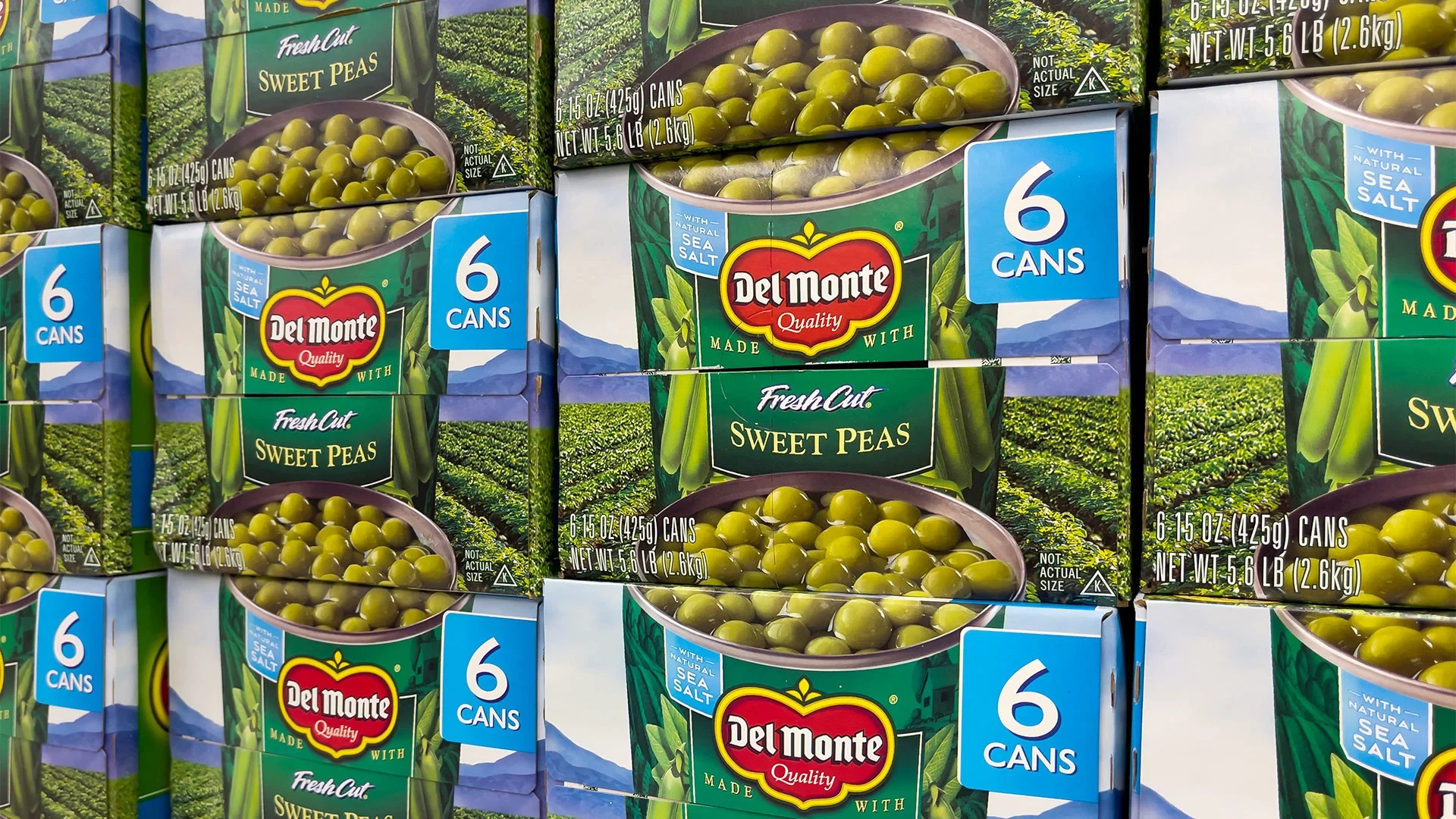
Meanwhile, external market competition intensified. Emerging health brands like Oatly and KIND SNACKS, focusing on “organic” and “no additives,” not only excelled in product innovation but also invested heavily in marketing, further squeezing Del Monte Foods’ survival space.
In fact, over the past two years, Del Monte Foods attempted to cut costs through layoffs and downsizing—closing two canning plants in Toppenish, Washington, in February 2024, and nearly simultaneously shutting down a factory in Markesan, Wisconsin, laying off 90 employees. Regrettably, these measures failed to reverse its financial woes.
The latest financial report shows that as of April 28, 2024, the company’s sales were $1.7 billion (approximately 12.2 billion RMB), with a net loss of $119 million for the same period. Recent tariff policies have only added insult to injury.
In May this year, U.S. President Trump announced plans to raise tariffs on imported steel from 25% to 50%, directly increasing the cost of metal cans used for packaging.
“We will seek to address these challenges, but the demand decline from price adjustments will be inevitable,” Del Monte CEO Greg Longstreet said during an analyst call. Amid internal struggles and external pressures, this 139-year-old canned food empire has now embarked on a path to bankruptcy restructuring.
According to court documents, this bankruptcy filing primarily involves Del Monte Foods’ U.S. operations, with the subsidiary’s current debt exceeding $1 billion. Reuters reports that Del Monte has secured $912.5 million in financing from existing creditors to sustain operations during the bankruptcy process.
Facing this historic moment, CEO Greg Longstreet remains optimistic. He views this as a strategically significant step. “After thoroughly evaluating all viable options, we believe a court-supervised asset sale process is the most effective way to accelerate the company’s transformation and reshape a stronger, more sustainable Del Monte Foods.”
If this vision comes to fruition, it suggests that the story of this canned food kingdom has not yet reached its final chapter.
U.S. Corporate Bankruptcy Filings Hit 5-Year High
Del Monte Foods’ rise and fall is not an isolated case; the ongoing winter for U.S. consumer brands continues. As early as March this year, the 42-year-old American celebrity restaurant chain The Owl Restaurant was reported to be working with creditors to restructure through bankruptcy court.
In May, Rite Aid, a U.S. chain pharmacy and personal care brand founded in 1962, filed for bankruptcy protection for the second time in two years, having once operated over 5,000 stores across the U.S. at its peak. In July, Forever 21, a 41-year-old American fast-fashion giant, officially initiated bankruptcy proceedings, having opened over 800 stores globally at its height and generating annual revenue exceeding $4 billion.
The data paints a clearer picture. According to S&P Global Market Intelligence, the number of bankruptcy filings by large U.S. public and private companies rose from 66 in June to 71 in July 2025, the highest monthly total since July 2020.
As of the end of July, the year-to-date total reached 446 filings, the highest for the same period since 2010. When analyzing the reasons behind these companies’ declines, experts increasingly point to their failure to adapt strategies to keep pace with the times.
From Del Monte Foods to The Owl Restaurant, from Rite Aid to Forever 21, these former industry giants failed to adjust their strategies in response to shifts in market dynamics and consumer behavior, gradually losing their edge in fierce competition and becoming “tears of the times.”
The stories of Del Monte Foods and others reveal that the secret to surviving economic cycles lies not in clinging to old thrones, but in ceaselessly reinventing oneself amid the tides of change.