
Edge of a Breakout: Could Fed Easing and a Factory Rebound Send the S&P to 7000?

One of Wall Street’s most respected strategists, Tom Lee, says $SPX could still climb to ~7000 by year-end — roughly a 10% gain from a recent Thursday close. But that upside is conditional: it requires two things to happen together — the Federal Reserve must begin cutting rates, and U.S. manufacturing must move back into expansion. Absent both, the rally’s foundation looks fragile.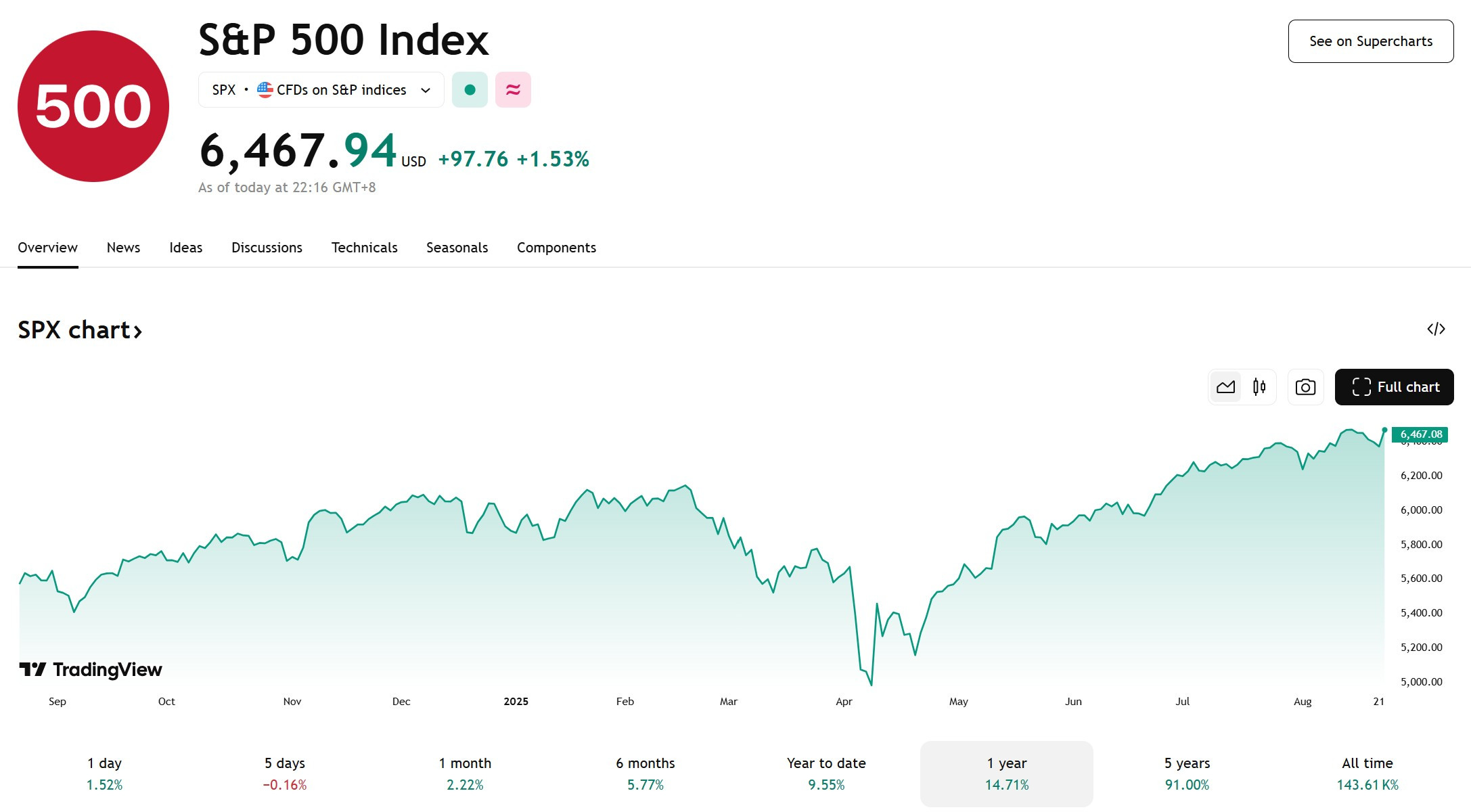
Key takeaway: What must go right?
Tom Lee’s bullish scenario rests on two clear signals. First, Fed rate cuts that lower real yields and broaden equity valuations. Second, a revival in the ISM Manufacturing Index above 50, indicating factories are expanding again. Those two outcomes would reduce recession risk and support corporate profit growth — the classic fuel for higher stock markets.
Quick facts — the exact, must-have points
- Tom Lee (Fundstrat co-founder, ex-JPMorgan U.S. chief strategist) projects $SPX could reach 7000 by year-end (~+10% from a recent Thursday close).
- The rally needs two things: Fed rate cuts and the ISM Manufacturing Index rising to 50.
- ISM has been below 50 for 28 months.
- Lee’s baseline target is 6600; tariffs or continued ISM weakness could derail it.
- S&P is up ~8.7% YTD but hit five straight down days before Powell’s speech.
- Market breadth is weak: most S&P names trade below their 50-day averages; 493 of 500 trail the index’s YTD gain.
- CME FedWatch prices a ~75% chance of a 25-bp September cut.
Why does breadth matter — is the rally just a few stocks?
Market gains are narrow. A handful of AI and megacap names have carried the S&P higher while most stocks lag. That concentration masks underlying weakness: with nearly all S&P members below their 50-day averages and 493 firms trailing index returns year-to-date, the rally looks top-heavy.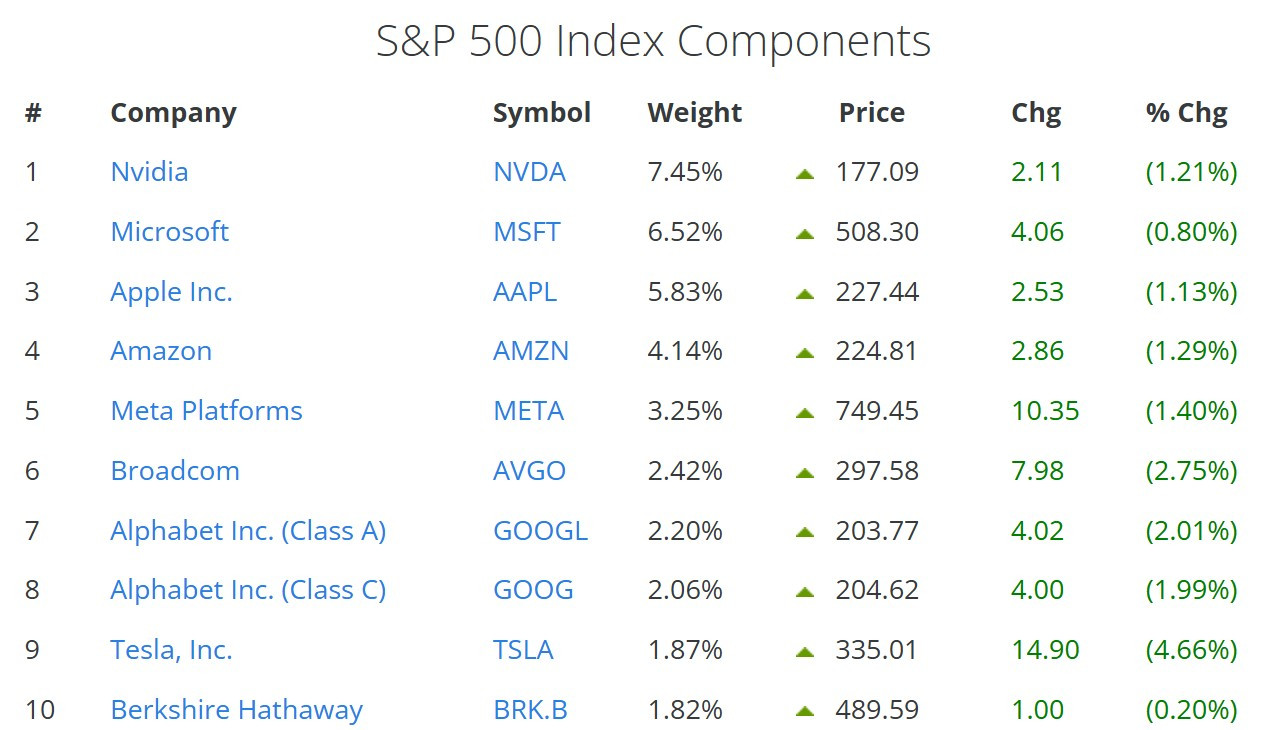 If AI sentiment cools, headline indexes could drop quickly as the underlying market catches up.
How might Powell’s speech move markets?
Powell’s Jackson Hole remarks create three plausible scenarios — each with distinct market consequences.
1) More hawkish than expected?
If Powell signals a firmer policy path, markets could sell off sharply. Investors currently price in roughly two cuts by year-end; a hawkish tilt that reduces that expectation would narrow access to cheap capital, compress valuation multiples, and risk a broad correction.
2) More dovish than expected?
A clearly dovish message would likely lift risk assets. Faster easing would lower borrowing costs, supporting projected profit growth and potentially driving a relief rally. Ironically, a truly broader easing could also reduce the lopsidedness of gains, prompting rotation out of AI megacaps and into cyclical or smaller stocks.
3) In line with expectations?
If Powell simply confirms what markets already expect — a September cut and another later in the year — headlines could be muted. In that case, the classic “sell the news” effect is possible: investors trim positions after the confirmation that had already been priced in.
What does Tom Lee really mean by his three stages?
Lee frames the year in three phases: tariff-driven stress, a sharp V-shaped rebound in April, and a final stage that depends on clearer Fed policy and stronger economic momentum.
His base view (S&P 6600) assumes conditions improve; the upside to 7000 assumes a best-case alignment of Fed easing and manufacturing expansion. But tariffs that reaccelerate inflation, or continued ISM weakness, would undercut both his baseline and bullish cases.
Can manufacturing realistically rebound in time?
Manufacturing is the wildcard. The ISM has been below 50 for 28 months — a long stretch of contraction. Unless supply chain dynamics, domestic demand, or trade tensions shift quickly, expecting a rapid jump past 50 is optimistic.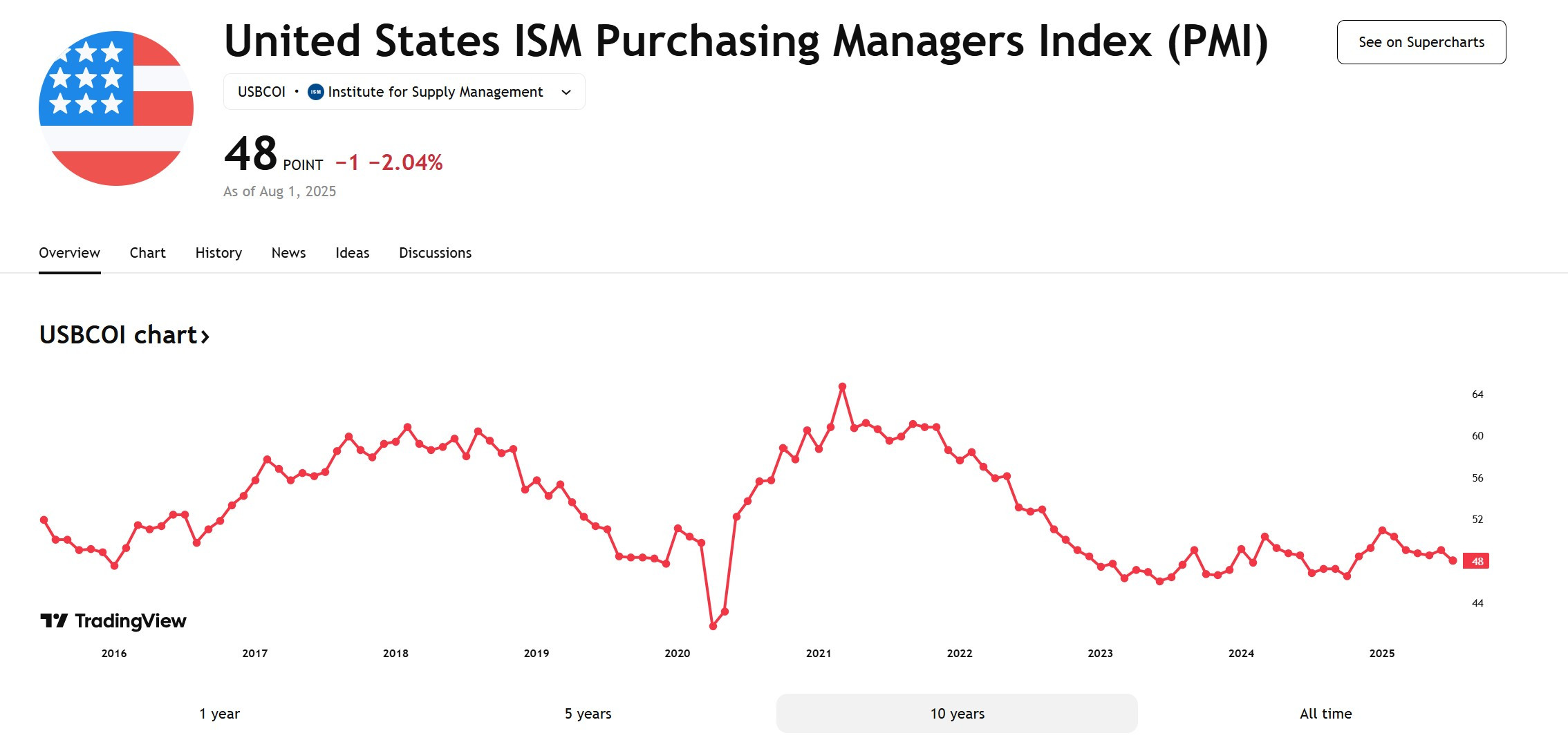
Tariffs complicate the picture by pressuring corporate margins and potentially stoking inflation, which would narrow Fed room to cut and could wipe away Lee’s path higher.
What are the psychological risks investors must watch?
Several non-data pressures amplify market fragility. Tariff uncertainty raises margin worries and input inflation. “AI valuation fatigue” reduces the market’s tolerance for stretched multiples.
And producer-side inflation surprises (PPI) have already tempered bets on swift easing. Together, these forces make investor sentiment vulnerable to any hint that policy will be less accommodative than hoped.
Where does that leave portfolios right now?
If you’re positioned for Lee’s best case, you need conviction in both near-term Fed easing and a manufacturing rebound.
If you doubt either, defense makes sense: reduce concentration in narrow winners, trim exposure to high-multiple names, and consider holdings that benefit from lower rates only if the cut path looks secure.
Remember, even a well-priced expectation can reverse quickly if Powell surprises.
Bottom line: two levers, one fragile path
The path to 7000 is narrow and conditional. Lee’s thesis is simple — cuts plus factory growth equals a stronger S&P — but reality is tangled with tariffs, uneven breadth, and mixed macro signals.
Powell’s Jackson Hole remarks may tilt the odds, but they are unlikely to change facts about manufacturing overnight. Markets now sit on a knife’s edge: a dovish pivot could spark a renewed rally; a hawkish surprise could expose how thin the gains have been.