
“New Fed Society” Analysis: Powell Highlights Employment Concerns, Paves Way for Central Bank Rate Cut Next Month

On Friday local time, Nick Timiraos, a renowned journalist dubbed the “New Fed Society,” published an article sharing his latest insights on Federal Reserve Chair Jerome Powell’s speech.
Timiraos wrote that Powell noted the possibility of a more significant slowdown in the labor market, while the cost pressures from tariffs on inflation might weaken, opening the door for the Fed to implement a rate cut at next month’s meeting.
This year, Powell and his Fed colleagues have maintained a steady policy rate, consistently describing the labor market as robust. However, uncertainty in the inflation outlook has persisted due to significant tariff hikes.
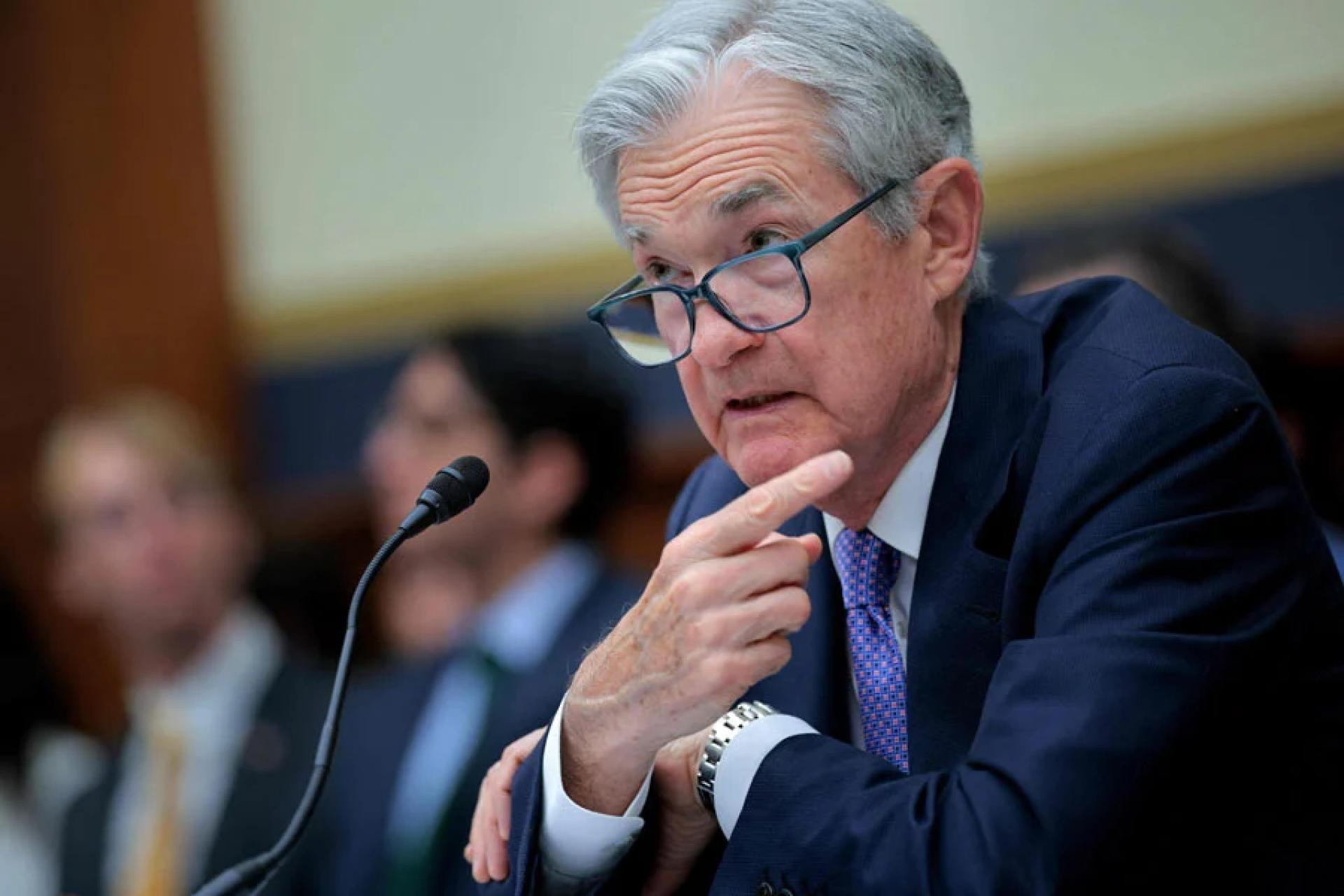
“But Powell suggested that the economic outlook is moving toward a direction that could support restarting rate cuts,” Timiraos pointed out, noting that Powell has begun acknowledging that “the balance of risks seems to be shifting.”
In his speech, Powell described this balance as “quite unusual, stemming from a noticeable slowdown on both the supply and demand sides of the labor market. This has led to an uncommon situation where the risk of the labor market underperforming expectations is rising.”
Powell said: “If these risks materialize, they could manifest rapidly, resulting in significant layoffs and a rise in unemployment.”
Timiraos wrote that, despite this, Powell attempted to “cool” market expectations for aggressive consecutive rate cuts by highlighting inflation concerns in his speech.
Powell stated that the impact of tariffs on consumer prices “is now clearly visible” and is expected to accumulate over the coming months. The Fed faces the question of whether these price increases will “significantly heighten the risk of persistent inflation issues.”
Timiraos noted that Powell expressed greater confidence for the first time in a baseline scenario: the effect of tariff-driven goods price increases might be relatively short-lived.
Of course, Powell also cautioned that a “one-time” price increase does not necessarily mean “instantaneous,” as tariff hikes require time to pass through the supply chain.
Powell indicated that the cost increases from tariffs could also trigger more persistent inflation issues—for instance, if workers, facing declining real income, demand higher wages from employers. However, he believes “given that the labor market is not particularly tight and downside risks are increasing, this outcome seems unlikely.”
Timiraos concluded that while Powell repeatedly emphasized that the Fed is in a “challenging situation,” he also acknowledged that the current relatively tight rate policy “may require us to adjust our stance.”