
Is Powell Setting the Pace?: A Careful Nudge Toward September’s Cut?

Jerome Powell’s Jackson Hole remarks cleared the runway for a September rate cut, but Goldman Sachs and market commentators warn the real arbiter is August’s nonfarm payrolls.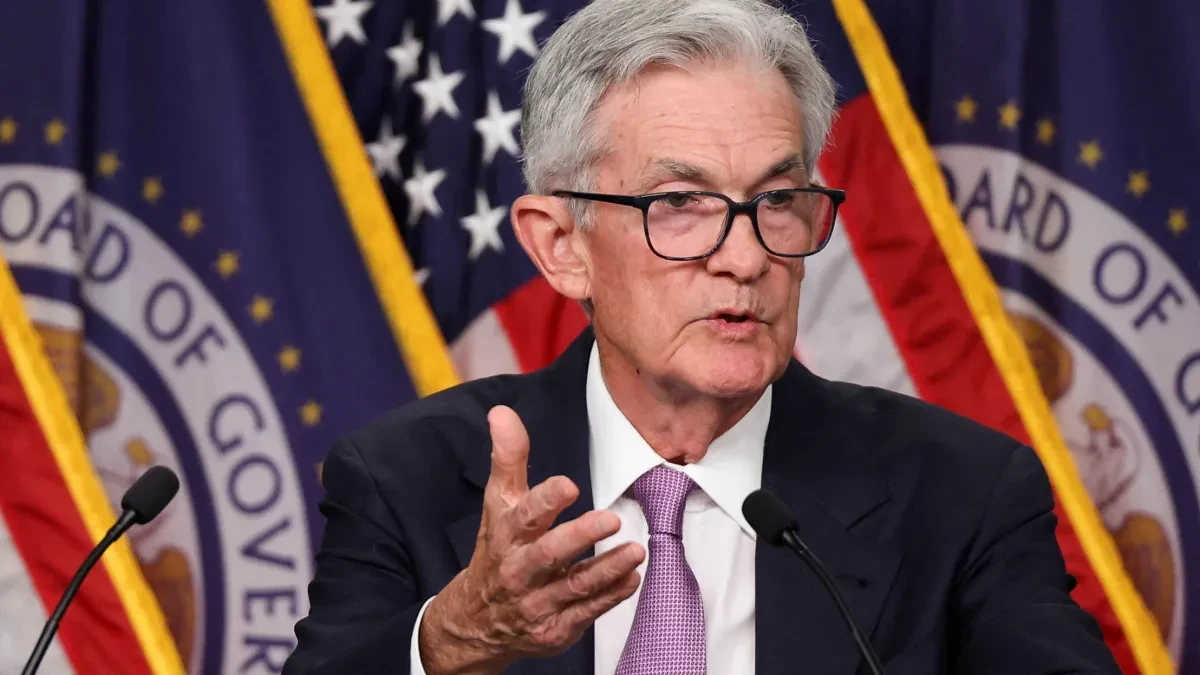 If headline jobs growth is weak enough — Goldman singles out a sub-100,000 print — the Fed will likely move. Yet Powell signaled a cautious, gradual easing, not a fast sprint, and internal Fed disagreements plus tariff-driven inflation worries make the path tentative.
Key Points
- Powell signaled a possible September cut but stressed cautious, gradual easing.
- Goldman: an August nonfarm print <100,000 would materially raise the odds of a September cut.
- Four payroll-revision risks: birth-death optimism, typical downward revisions, ADP healthcare doubts, household/migration bias.
- Goldman’s equilibrium payroll ≈80k; recent 3-month average ≈35k — downside risk.
- Goldman sees the easing cycle likely ending by H1 2026 if weakness persists.
- Fed dissent and tariff-driven inflation concerns mean cuts will be measured, not aggressive.
- Markets will watch headline payrolls, revisions, sector detail (especially healthcare) and household survey dynamics.
Why the jobs number matters now: one print could tip the balance
Goldman’s fixed-income team says markets were waiting on Jackson Hole. Powell’s language opened a door, but timing and size hinge on upcoming labor reports. Traders and policymakers will treat August’s payrolls as a critical test: a clear cooling could justify a September move; stronger readings would keep the Fed on a slower glide path.
Goldman’s FICC traders stress that revisions, not just the headline, matter. Recent downward corrections have amplified concerns that the labor market is weaker than initial releases suggested.
What Goldman fears about the labor data: four precise risks
Goldman highlights specific reasons the official jobs figures may overstate strength. First, the birth-death model can be overly optimistic. Second, initial payrolls historically see downward revisions. Third, ADP’s sector data questions the healthcare jobs surge. Fourth, household surveys may overcount employment by mismeasuring migration.
If true equilibrium payroll growth is near Goldman’s ~80,000 estimate, then three-month averages around 35,000 look alarming. That would make a Fed cut window immediate rather than distant.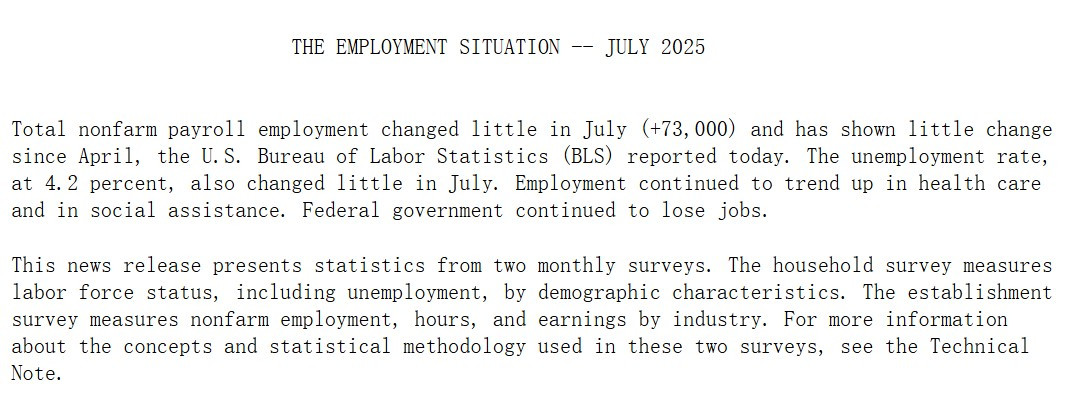
Powell’s message: don’t expect a “downhill sprint”
Nick Timiraos and other observers read Powell’s speech as both an invitation and a restraint: yes to easing, no to a cascade of cuts. Powell characterized the labor market as “peculiar” — apparently stable but masking synchronous weakening of supply and demand — and cautioned that tariffs could push inflation toward 3%.
In short: Powell paved the way for a cut but explicitly discouraged markets from expecting an aggressive easing program. The Fed’s strategy is measured, data-dependent, and designed to avoid reigniting inflation.
Fed dissent and outside voices: the other side of the tent
The Jackson Hole signal must contend with dissent inside the Fed and critiques from outside economists. Some Fed officials see rising price pressures and argue the labor market is still “pretty good.” Others warn a premature cut could force a re-tightening in 2026, risking credibility.
These disagreements imply that even if the Fed cuts in September, subsequent moves will be cautious and contingent on fresh evidence.
Two plausible scenarios — quick sketch, not a prediction
Scenario A — Immediate cooling: August payrolls and follow-up data show clear weakness. The Fed cuts in September and continues measured easing. Goldman views it as likely the cycle could finish by H1 2026.
Scenario B — Transient softness: Labor prints rebound. Powell’s signal is treated as insurance, not regime change. Cuts are fewer, more gradual, or postponed. Either way, the Fed will wait for confirming data before altering course.
What markets and policymakers will watch next
Beyond the headline, markets will study revisions, sector breakdowns (especially healthcare), and household survey dynamics. Traders will also watch whether follow-up data confirm August’s direction — Goldman emphasizes that a pattern of weakness, not a single print, will shape the easing path.
Policymakers must balance labor fragility against evidence of tariff-driven price transmission. Powell’s tone sought to shore up internal consensus: reassure hawks while keeping flexibility to respond if jobs soften materially.
Bottom line: a narrow window, a cautious Fed, and high stakes for one report
Jackson Hole moved the needle; it did not resolve the debate. If August’s payrolls show pronounced softening and revisions point the same way, the Fed appears positioned to cut in September and complete a modest easing cycle by mid-2026. If not, the committee will likely proceed more slowly, with each step dependent on fresh labor and inflation evidence.
For markets, investors, and politicians, the coming payroll releases aren’t just data points. They are the near-term fulcrum that could determine whether the Fed proceeds with an orderly, cautious descent — or waits until the economic picture clarifies further.