
AMD’s Q2 Profitability Strong, But Warning Signs Emerge?

Early this month, AMD reported solid second-quarter results, showing modest revenue growth and robust profitability. However, recent developments in the semiconductor industry suggest that market optimism about the company’s ability to sustain strong growth in the near term may be overstated.
There are early signs that data center sales are slowing, gaming business performance is weak, and the expansion of AI server capabilities may not be fast enough to offset cyclical headwinds in other segments. Meanwhile, rising risks could undermine future growth. As a result, Wall Street analysts remain bearish on AMD, maintaining a “sell” rating.
To date, AMD’s data center division remains the primary driver of the company’s growth, generating $3.2 billion in revenue in Q2, up 14% year-over-year. While the division continues to grow at a double-digit rate, the growth rate itself has decelerated compared to the 80% year-over-year increase in the same period last year.
Although the company’s Instinct MI300 accelerator continues to attract attention, management acknowledges that supply constraints and competitive pricing from Nvidia and Intel could limit near-term growth.
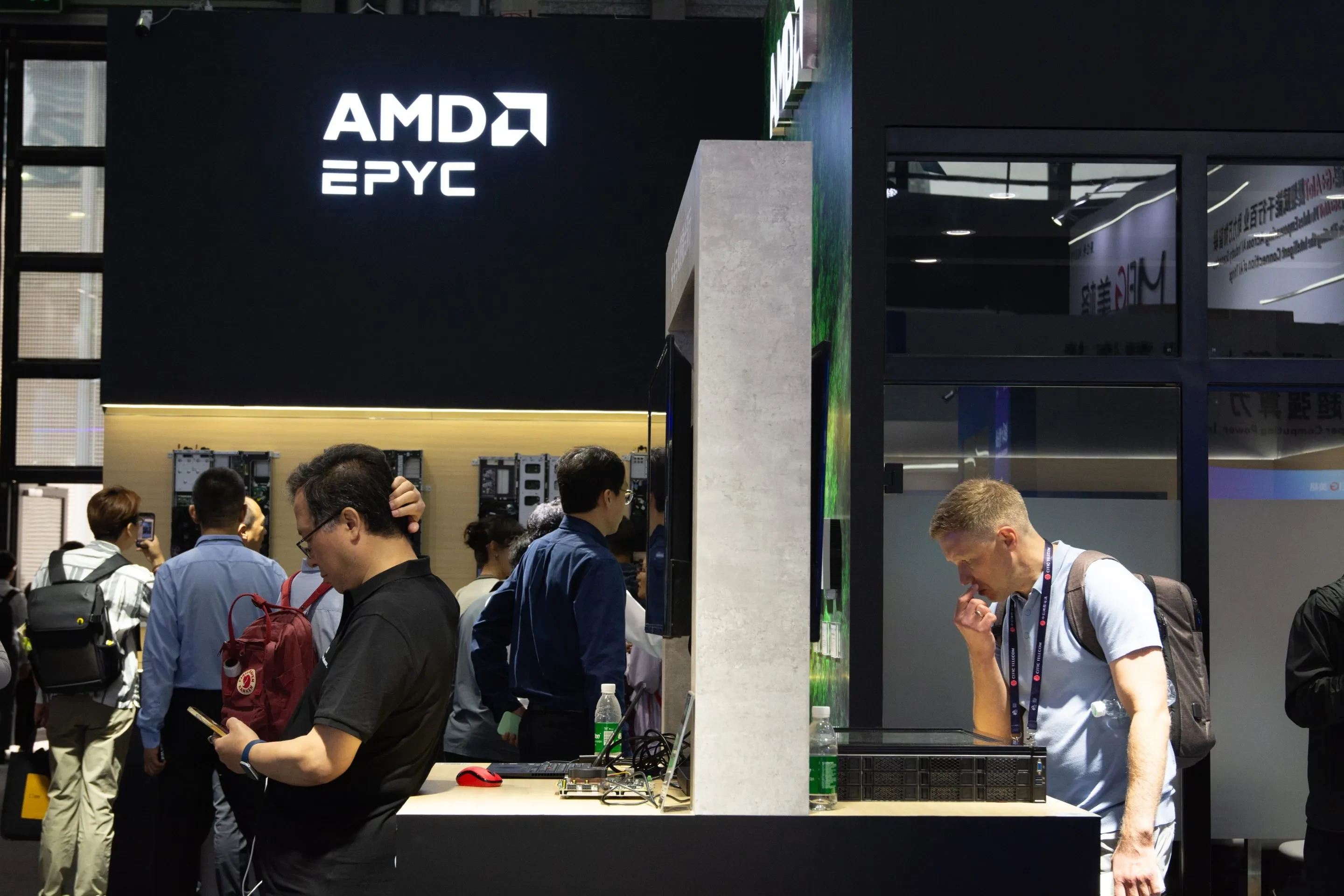
Additionally, cloud providers are showing more selective spending, with some prioritizing AI-supporting GPUs over general-purpose processors, putting pressure on AMD’s EPYC server processors in an increasingly competitive environment.
Moreover, while AMD’s diversification into other more stable regions helps mitigate some of the adverse effects of these constraints, it may still prove challenging and could impact profitability in the coming quarters.
Finally, AMD’s aggressive push into AI and specialized chips has driven up capital expenditures. In Q2, R&D spending reached $2 billion, or 21% of revenue, reflecting significant investment in new architectures and technology nodes.
While R&D is critical for competitiveness, it also negatively affects short-term cash flow. Despite overall revenue growth, AMD’s free cash flow in Q2 was only $1.1 billion, down from $1.5 billion in the same period last year.
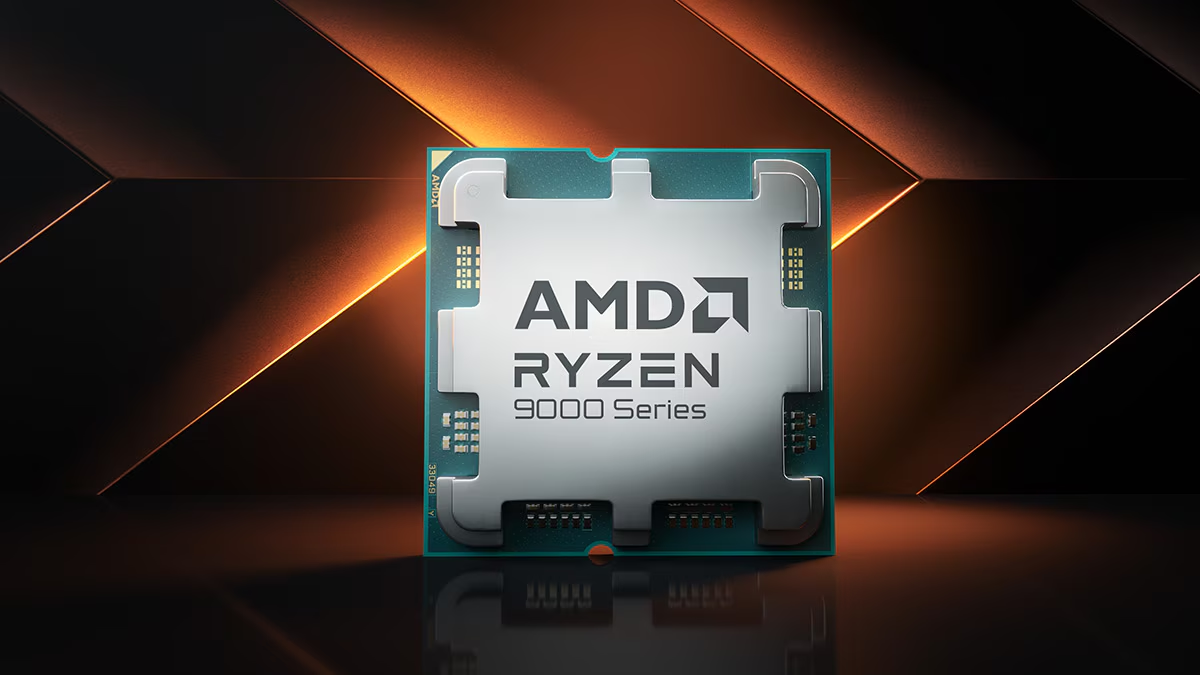
Furthermore, the upcoming launch of Zen 5 processors and MI400 GPUs will require additional marketing and manufacturing investments, further constraining cash flow. With gross margins unlikely to rise significantly in the short term, AMD may struggle to balance shareholder returns with innovation funding needs at current levels.
Thus, the market’s excitement about AMD’s recent growth overlooks the substantial risks it currently faces.
However, several factors could challenge analysts’ pessimism. Faster-than-expected MI300 shipments, combined with strong adoption of Zen 5-based EPYC processors, could accelerate data center market growth in the coming quarters. If the gaming console update cycle accelerates and consumer demand recovers in key markets, the gaming sector could also rebound.
Additionally, if export restrictions on advanced chips are relaxed, AMD could re-enter the high-margin Chinese market. Even in these optimistic scenarios, however, AMD will face intense competition from Nvidia in AI accelerators and Intel in server processors, making it difficult to continue expanding profit margins.
Another factor that could defy bearish forecasts is AMD’s diversified product portfolio. The company’s presence across desktop, mobile, and cloud computing markets shields it from macroeconomic volatility.
This broad scope may allow AMD to leverage strength in one segment to offset weakness in others, potentially delivering better-than-expected results in the coming quarters.
AMD remains one of the leaders in high-performance computing but is experiencing a slowdown in growth momentum, with significant challenges ahead.
The data center growth pace is decelerating, regulatory risks are rising, and capital expenditures are dragging on free cash flow.
The current valuation leaves little room for execution missteps. For these reasons, AMD’s risk-reward profile at current levels is not favorable.