
Get Ready for the End of Fed Independence and What It Means for Investors

Last Monday, President Trump tried to fire Federal Reserve Governor Lisa Cook, but the market barely flinched. Don’t be fooled—this could be one of the most consequential moments for financial markets in decades.
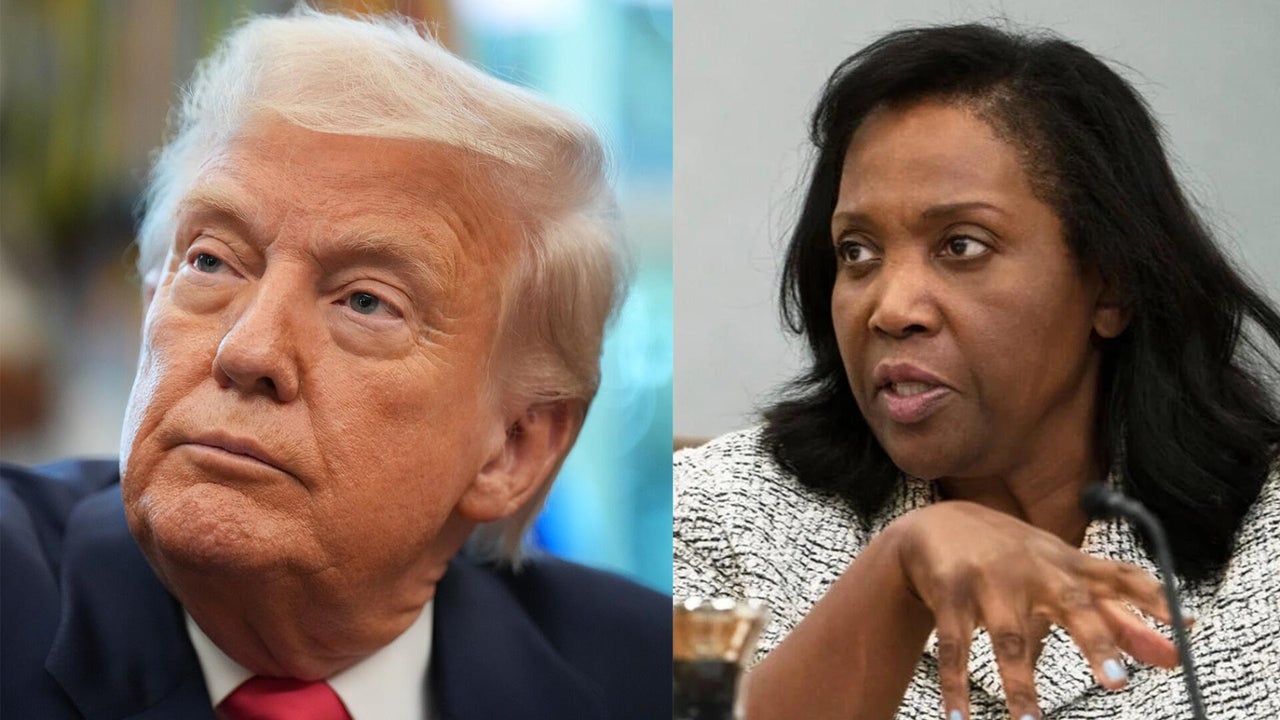
If Trump succeeds in removing Cook—or even if he doesn’t—this week could mark the effective end of the Federal Reserve’s independence, which it has enjoyed since 1951. Without that independence, inflation is likely to be higher and more unpredictable than in the decades before 2020.
So far, investors haven’t priced in this risk. Partly that’s because the Fed was already considering cutting interest rates. Chair Jerome Powell suggested last Friday that tariffs aren’t likely to cause lasting inflation due to a weak labor market, leaving the door open for a September rate cut. In the near term, this could boost stock prices and push bond yields lower.
The bigger point is that investors have no historical blueprint for a politically influenced Fed. Many assume that Fed leaders under Trump will act as previous presidents’ appointees have, setting rates according to the data. But a safer assumption might be that, sometime in the next nine months, the Fed could set rates to match Trump’s preferences.
How Trump is Playing the Fed
Trump’s strategy is like slowly boiling a frog—small enough steps to keep the market calm.
-
In April, he announced steep tariffs, markets panicked, and he quietly scaled them back. Then he gradually restored most of the tariffs, and the market barely reacted.
-
Last month, he floated the idea of firing Powell, causing market turbulence. Now he’s aiming for the same outcome differently: if he fires Cook, he could control four of the seven Fed governor seats.
Trump himself has said, “We’ll have a majority very shortly. Housing is going to swing and it’s going to be great.”
Theoretically, Fed governors vote independently. But by attempting to fire Cook “for cause,” Trump signaled he could do the same to any governor who votes against his preferred policies. If courts allow the president to define “cause,” the protections Fed governors enjoy could be nullified. Even if he fails, he may try again, and his next target might change their vote or resign rather than fight.
Why Fed Independence Matters
Simply put, Fed independence means the central bank can set interest rates and monetary policy without direct presidential interference. This protects policy from being driven by political agendas rather than economic reality. Losing that independence could make inflation more volatile and harder to predict.
Remember, the Fed doesn’t just set rates—it influences stocks, bonds, housing, and the dollar. Politically driven policy increases risks across all of these markets.
What This Could Mean for Markets
In the short term, inflation is still guided by economic conditions. Inflation-protected Treasuries show a slight uptick due to tariffs, but expectations return close to the Fed’s 2% target afterward.
Long-term, if Trump gains control over the Fed:
-
Interest rates could follow political preferences instead of data.
-
Inflation could stay above the Fed’s 2% target.
-
Investors need to prepare for a structural shift in inflation, not just short-term swings.
Economist Peter Williams notes the current environment combines historic tariffs, fiscal stimulus, stagnant labor force, and attacks on Fed independence—basically a perfect storm for higher inflation.
What Investors Should Do
-
Safe-haven assets could benefit: Gold, silver, inflation-protected Treasuries, and other risk-off instruments may attract money if inflation and uncertainty rise.
-
Watch policy-sensitive sectors: Banks, housing, and consumer finance are especially sensitive to interest rate shifts.
-
Diversify and manage risk: In uncertain times, betting everything on one outcome can be dangerous.
Specific instruments to consider:
-
Gold ETF (GLD), Silver ETF (SLV): Classic hedges against inflation and political risk.
-
Treasury Inflation-Protected Securities (TIPS): Track inflation and offer direct protection.
-
Diversified global safe-haven funds: Spread risk while tapping into dollar and precious-metal assets.
In short, this could be one of the most significant political moves affecting markets in decades. Investors need to watch not just the economy but also the political chessboard behind it. Safe-haven assets and policy-sensitive sectors deserve careful attention, while risk management remains crucial.