
U.S. Appeals Court Rules Trump Tariffs Illegal! A Guide to What Happens Next

According to reports, on August 29 local time, a U.S. appeals court ruled that most of President Trump’s global tariff policies are illegal.
It is understood that the U.S. Court of Appeals for the Federal Circuit voted 7-4 on Friday, upholding an earlier ruling by the Court of International Trade.
The court determined that the International Emergency Economic Powers Act (IEEPA) does not explicitly grant the U.S. president the authority to impose tariffs, and that Trump’s use of the law to do so exceeded his jurisdiction.
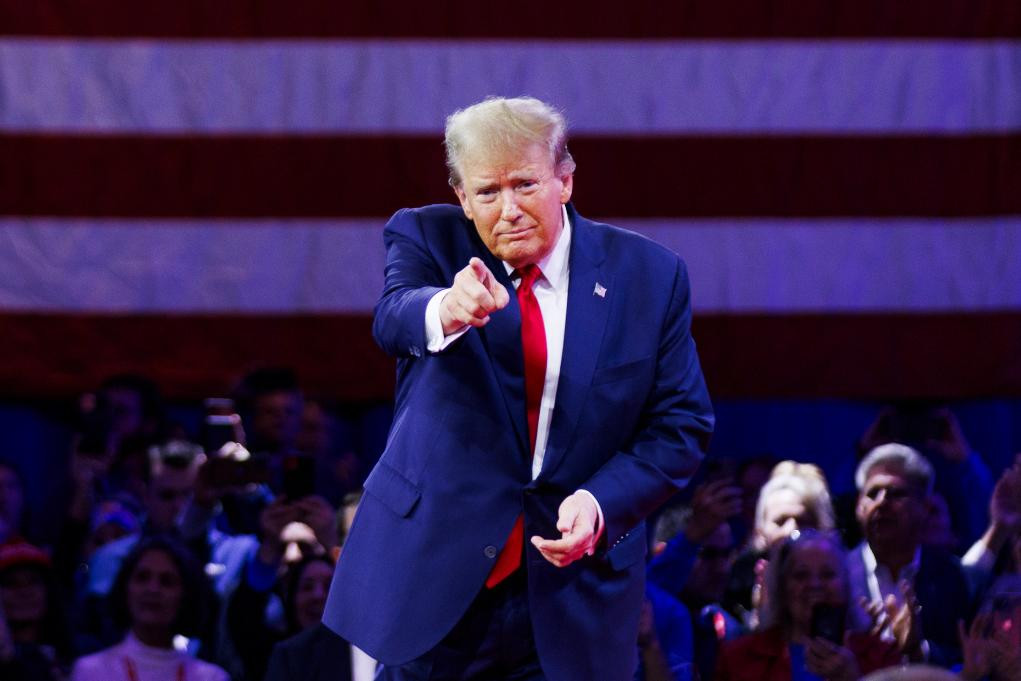
This ruling delivers the most significant blow yet to tariffs, a hallmark policy of Trump’s second term, and may pave the way for the case to be escalated to the U.S. Supreme Court. Currently, the appeals court has allowed the tariff measures in question to remain in effect until mid-October, giving parties time to request a Supreme Court review.
The majority opinion from the appeals court stated, “The International Emergency Economic Powers Act grants the president significant authority to take a range of actions in response to a declared national emergency, but these actions do not explicitly include the power to impose tariffs, duties, or similar taxation.”
The court noted that the term “tariff” or its synonyms, such as “tax” or “duty,” does not appear in the IEEPA.
This ruling does not affect tariffs imposed by the Trump administration under other legal provisions, such as those on steel and aluminum.
Previously, on May 28 local time, the U.S. Court of International Trade made a landmark ruling, unanimously finding that the global tariff policy announced by Trump on “Liberation Day” (April 2) exceeded his legal authority.
It also ruled that the legal basis for tariffs on products from Canada, Mexico, and China—termed “fentanyl tariffs”—was flawed and ordered a halt to their enforcement.
In April, Trump imposed so-called reciprocal tariffs on nearly all U.S. trading partners, dubbing it “Liberation Day,” a move that triggered days of market chaos and foreign government backlash. This prompted Trump to temporarily pause many tariffs to negotiate with dozens of foreign governments. Revised tariff rates took effect in early August, though negotiations with many countries continue.
Notably, despite the Federal Circuit’s ruling that most of Trump’s global tariffs are illegal, it cited a Supreme Court precedent widely seen as favoring Trump. The case was remanded to a lower court to determine whether the ruling applies to all tariff-affected goods or only the parties involved.
Appeals court judges indicated that the Court of International Trade must consider whether its ruling aligns with a Supreme Court decision prohibiting “universal injunctions”—rulings that extend beyond the case’s parties to the entire U.S.
What Happens Next?
Overall, the Federal Circuit’s Friday ruling may prolong the uncertainty over the future of Trump’s tariffs.
The case was initially expected to head to the Supreme Court for a final decision.
However, the Trump administration now has two options: it can appeal directly to the Supreme Court, which has previously supported Trump on other issues, or allow the Court of International Trade to rehear the case to clarify its scope.
Shortly after the ruling, Trump posted on his Truth Social platform, “All tariffs remain in effect!”
He added, “Today, a highly partisan appeals court wrongly said our tariffs should be removed, but they know the United States will win in the end. If these tariffs were ever eliminated, it would be a total disaster for the country.”
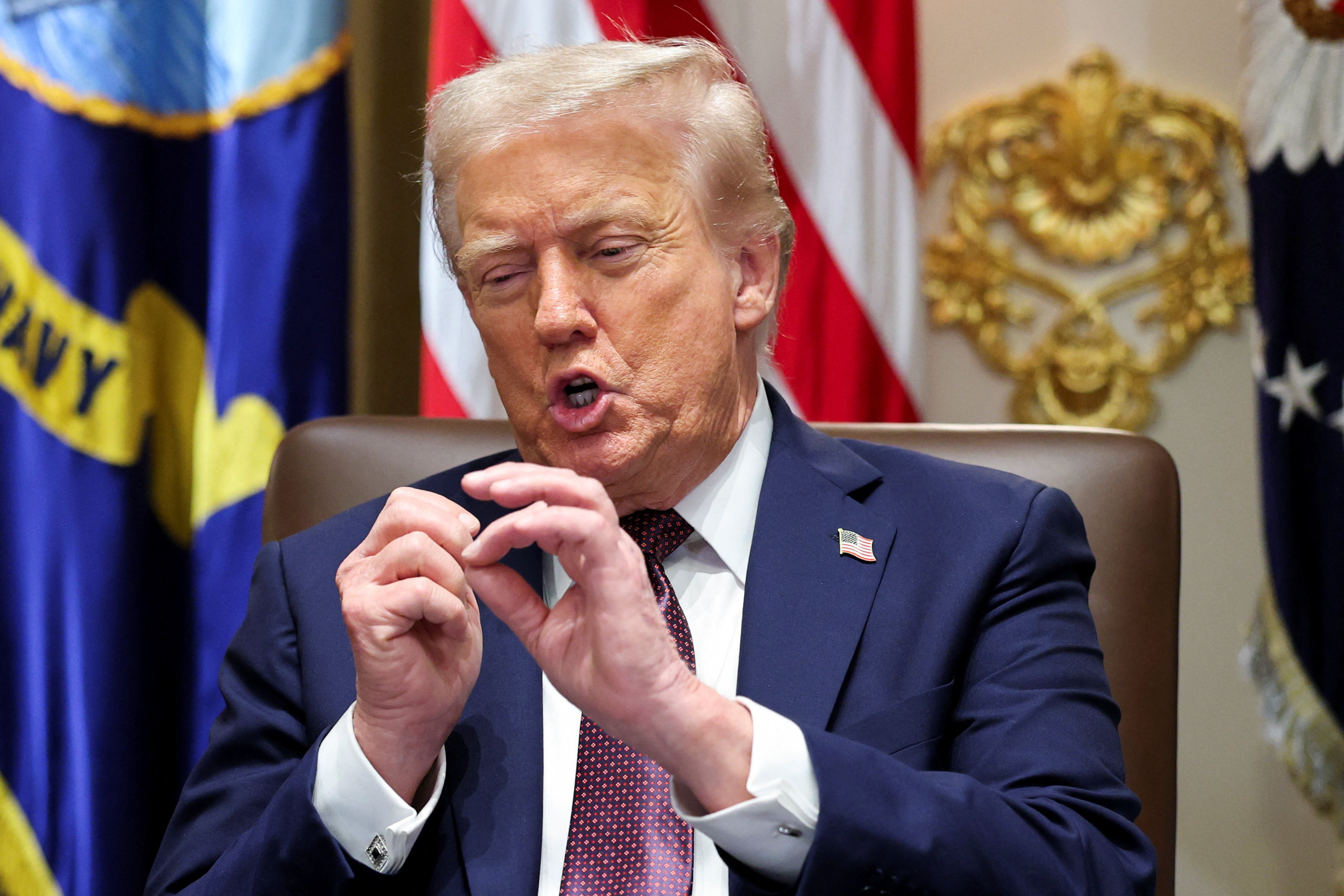
White House spokesperson Kush Desai stated, “President Trump lawfully exercised the tariff powers granted by Congress to defend our national and economic security from foreign threats. The president’s tariffs remain in effect, and we look forward to ultimate victory on this matter.”
Industry insiders note that global trade, worth trillions of dollars, is now entangled in this legal dispute. If the Supreme Court ultimately overturns Trump’s tariffs, his much-touted trade deals could collapse, and the U.S. government might face demands for refunds on tariffs already paid.
Notably, on the eve of the ruling, Trump’s lead attorney wrote to the appeals court, warning that a ruling against the president would have “catastrophic consequences” and cited trade agreements with the EU, Indonesia, the Philippines, and Japan. They argued that even if the court struck down the tariffs, the ruling should be stayed.
“The U.S. would be unable to repay the trillions of dollars other countries have committed to pay, potentially leading to financial collapse,” the letter stated. “The president believes forcibly dissolving these agreements could trigger consequences akin to 1929.”
U.S. Treasury Secretary Bessent argued that ruling the president’s global tariffs illegal would severely damage U.S. foreign policy, causing a “dangerous diplomatic embarrassment.” Commerce Secretary Lutnick noted that tariffs had brought foreign powers to the negotiating table “in a way no other president could.” He told the court that an unfavorable ruling would “signal to the world that the U.S. lacks the resolve to defend its economic and national security.”
Regardless, if the case reaches the U.S. Supreme Court, it could result in a historically landmark decision on tariff policy.
Meanwhile, although the U.S. government can maintain the effectiveness of its unilateral tariff policies in the short term, a Supreme Court ruling deeming them illegal would significantly undermine their legitimacy and stability. Unless Congress passes separate legislation or authorization, the U.S. government may struggle to implement similar unilateral tariffs moving forward.