
Tariffs on Trial: Can Trump’s Trade Weapon Survive the Courts?

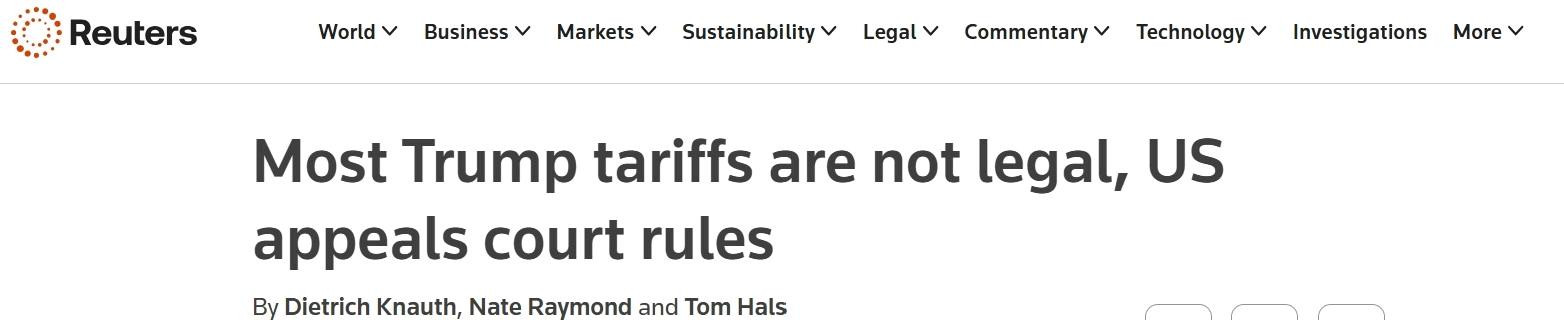
On Aug. 29 the U.S. federal appeals court upheld a lower-court ruling that most of President Trump’s global tariffs exceeded his authority under the International Emergency Economic Powers Act (IEEPA).
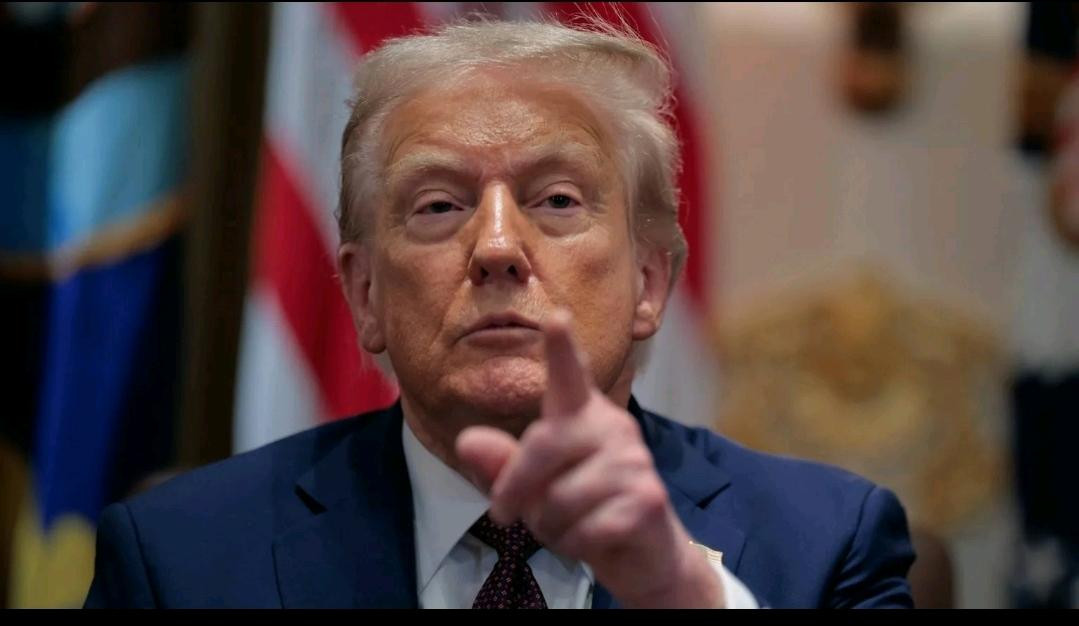
The court voted 7–4, yet it allowed the contested tariffs to remain temporarily in force and remanded the case to the lower court to decide how broadly the ruling should apply. President Trump responded that the tariffs will remain effective.
The decision keeps the policy alive for now while stripping away much of its immediate legal cover — a split outcome that prolongs uncertainty for trade, diplomacy and markets.
Key Points
- The appeals court found IEEPA does not clearly authorize a president to impose tariffs; the administration exceeded statutory authority.
- The panel split 7–4, affirmed the lower court’s reasoning, and remanded to determine whether relief should be nationwide or limited to the plaintiffs.
- Tariffs remain temporarily in effect while parties pursue further review, maintaining short-term policy continuity.
- Cabinet members warned invalidation would cause “dangerous diplomatic embarrassment” and severe consequences for ongoing negotiations.
- The government can seek Supreme Court review or let the lower court refine remedies before advancing appeals.
What the court said — plain and binding
The appeals court focused on statutory text. It concluded IEEPA empowers the president to act during declared emergencies, but that the statute’s language does not explicitly include tariffs, taxes or similar levies. Because IEEPA never mentions “tariffs” or equivalent terms, the court found the administration’s broad use of IEEPA to impose sweeping global tariffs went beyond what Congress authorized.
Rather than issuing a nationwide injunction immediately, the court relied on Supreme Court precedent and sent the question of scope back to the international trade court. That step narrows the ruling’s immediate reach but keeps the fundamental legal question unresolved.
Administration response — urgency and alarm
Senior officials filed urgent statements emphasizing the foreign-policy stakes. Treasury official Scott Bessent warned of “dangerous diplomatic embarrassment.” Commerce Secretary Howard Lutnick argued tariffs had forced foreign counterparts to the negotiating table in ways previous administrations could not.
Secretary of State Marco Rubio said some measures were tied to sensitive talks and cautioned that a contrary ruling could harm ongoing negotiations.
The administration sought a stay of any adverse ruling pending Supreme Court review, arguing suspension is necessary to protect diplomatic leverage and months of negotiated deals. The appeals court did not fully grant that relief and instead preserved a procedural path to refine the remedy in the lower court.
Legal options ahead — two roads, long odds
The government faces two primary routes. First: seek direct Supreme Court review now, asking the high court to resolve whether IEEPA authorizes broad tariff actions. Second: allow the lower court to reconsider remedy scope (nationwide versus party-specific) and then appeal from a developed record.
Either route involves time and uncertainty. A Supreme Court decision for the administration would cement executive latitude to wield tariffs under IEEPA; a ruling against the administration would sharply constrain unilateral tariff powers unless Congress provides explicit authorization.
Practical consequences — trade, refunds, and diplomatic fallout
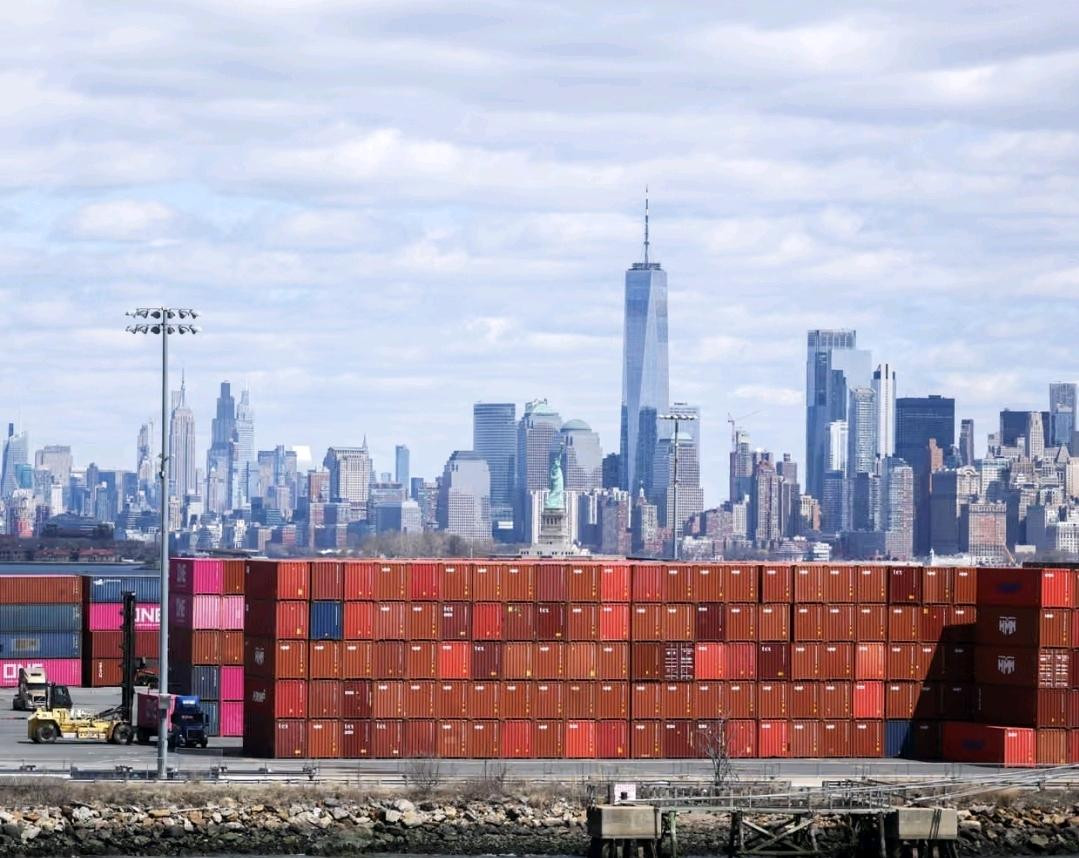
If courts ultimately strike down the tariffs nationwide, the U.S. could confront claims for refunds and the unwinding of tariff-driven agreements. The administration warned this could undercut results of negotiations with the EU, Japan, Korea and others. The remand tempers the immediacy of that scenario but keeps it possible.
Markets and companies face planning headaches: duties levied today might later be reversed or refunded, complicating pricing, contracts and supply-chain decisions. The ruling also raises geopolitical risk: trading partners may respond to any perceived U.S. policy reversal.
Who stands to gain or lose
Exporters and global supply-chain firms are vulnerable to whipsaw effects from legal uncertainty. Firms that benefited from protection via tariffs risk losing that edge; import-dependent companies would welcome a rollback. Financial markets must price in the potential for either a lasting tool for executive trade leverage or a reversion to congressional control of tariff policy.
A court outcome narrowing executive tariff power would likely shift the next phase of trade policy toward Congress, potentially stabilizing long-term expectations but reducing the administration’s unilateral negotiating leverage.
Bottom line — policy survives for now; legal basis does not
The appeals court dealt a major legal blow to the administration’s reliance on IEEPA to impose sweeping tariffs, yet it paused short of eliminating policy effects. The tariffs continue temporarily, preserving the status quo while the legal foundation is contested.
For markets and diplomacy, that means continued strain: the mechanics of policy remain active but the legitimacy that sustains them is now in doubt. The central question for investors is whether Congress, the courts, or the Supreme Court will ultimately settle whether unilateral tariff tools are here to stay — and how that decision will reshape trade, corporate strategy and geopolitical leverage.