
Court, Fed, and the Presidency: Who Will Decide America’s Economic Rules?

On Aug. 29 an appeals court held that most of President Trump’s global tariffs exceeded his authority under the International Emergency Economic Powers Act (IEEPA), yet the court left the tariffs temporarily in place and remanded scope questions to the lower court. Trump immediately insisted the tariffs remain effective.
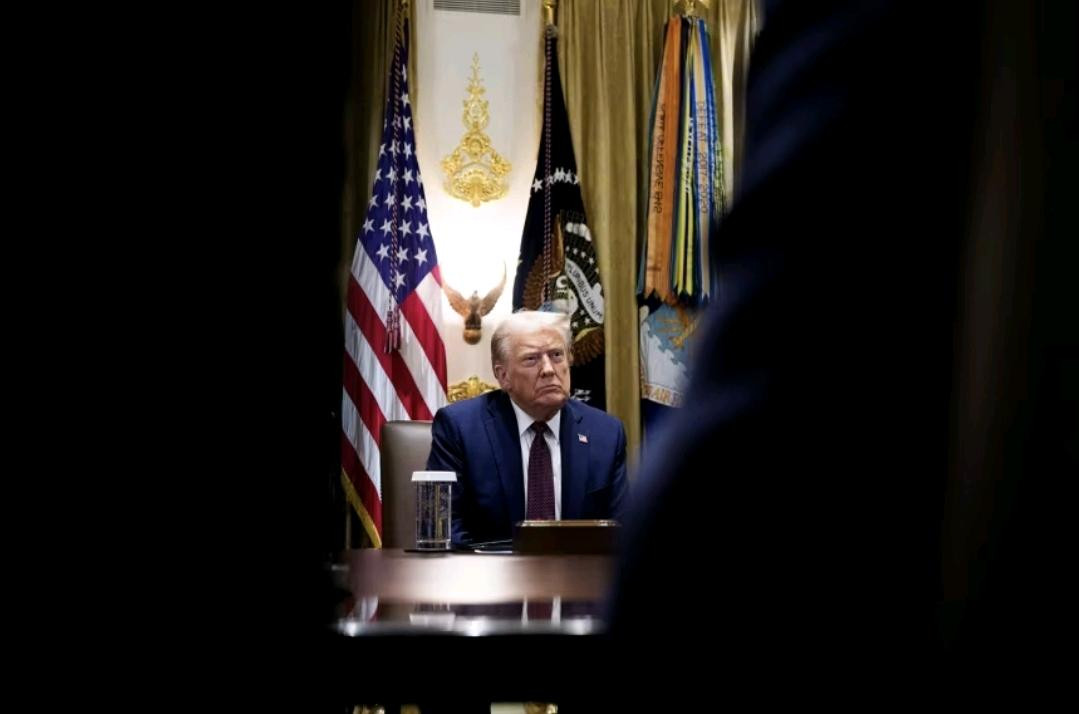
The practical result is a split outcome — policy preserved for now, legal cover weakened — extending uncertainty for trade, diplomacy, and markets.
Key Points
- Appeals court: IEEPA does not clearly authorize presidential tariffs; government exceeded statutory authority.
- Vote was 7–4; ruling affirmed the lower court and remanded the scope of relief.
- Tariffs remain temporarily effective while parties seek further review or remedy clarification.
- Officials warned of diplomatic and negotiation consequences if tariffs were invalidated.
- The government can seek Supreme Court review or wait for the lower court to refine remedies.
What did the appeals court decide — and why does that matter?
The court found IEEPA’s text never mentions tariffs, taxes, or equivalent levies, so using it to impose broad global tariffs exceeded congressional authorization.
Rather than striking everything immediately, the appeals court cited Supreme Court precedent and returned the remedy question to the lower court to decide whether any injunction should be nationwide.
That step preserves short-term policy mechanics but undermines the legal basis for unilateral emergency tariffs.
Could a president truly “control” the Fed — and what would that mean?
Trump’s announcement to remove Fed Governor Lisa Cook triggered alarms about politicizing monetary policy.
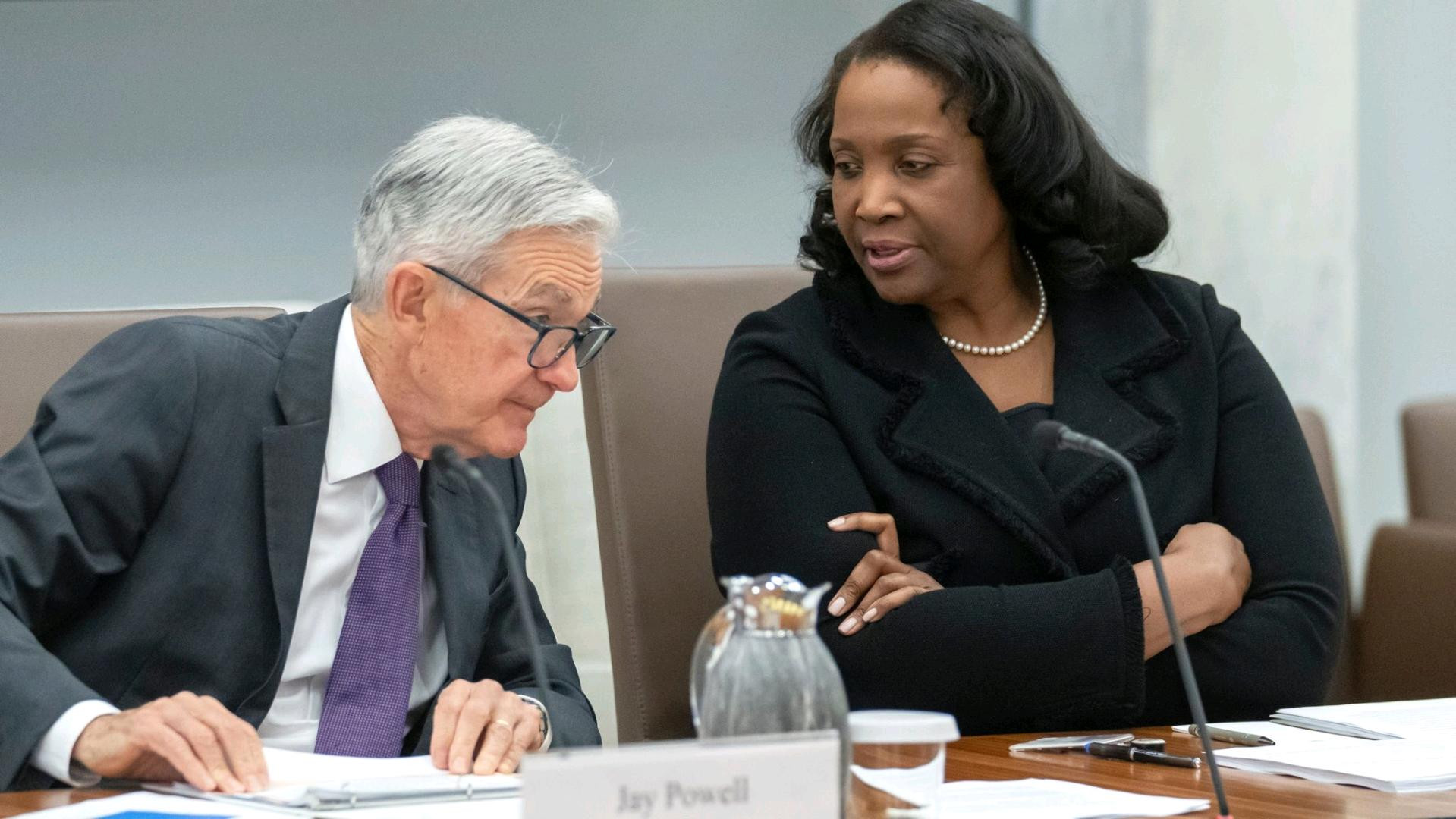
Legal scholars warn that if a president stacks the Fed board with loyalists, the institution could lose independence and credibility built over decades. A politicized Fed risks making interest-rate decisions responsive to political aims, not economic indicators, with long-term damage to price stability and investor trust.
Who is sounding the alarm — and what are they saying?
Columbia Law’s Kathryn Judge warns the country is moving toward erosion of central-bank independence, with huge long-run costs.
Cornell’s Robert Hockett says a compliant board would turn the Fed into a rubber stamp, risking inflationary episodes like those seen under politicized regimes.
Former Fed officials and market strategists add that undermining the Fed would raise systemic risk and unsettle global investors.
What is the administration’s defense — reform or politicization?
The White House frames the Cook dismissal and calls for change as reforms, not attacks on independence.
Officials argue the Fed bears responsibility for post-pandemic inflation and must be accountable to support debt management and housing.
That political narrative appeals to critics of the Fed, but it directly clashes with legal norms and long-standing institutional protections.
How could the legal fights reach the Supreme Court — and why would that matter?
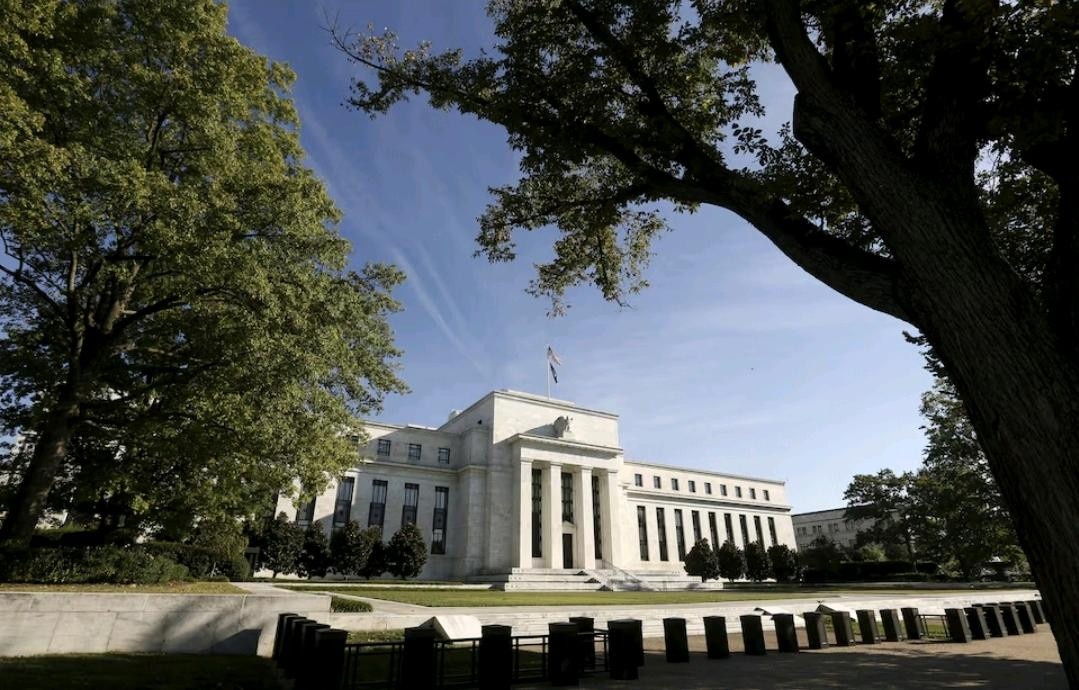
Both the tariff and Cook disputes are likely to be appealed up the chain, and the Supreme Court may be the final arbiter.
If the high court sides with the administration on tariffs, it could validate expansive executive economic powers without new congressional authorization.
If the Court limits executive reach, future presidents would need congressional backing for sweeping trade measures, reshaping the balance of powers.
How do Fed signals and trade rulings interact with markets now?
San Francisco Fed President Mary Daly signaled that policy may soon be recalibrated and suggested tariff-driven price rises could be temporary.
Her remarks echoed Chair Powell’s hints of possible September rate cuts and preceded a decline in short-term Treasury yields. Still, if the Fed’s independence is perceived as compromised, its communication and policy moves could lose credibility, diminishing their market effect.
What are the immediate economic and diplomatic risks?
If courts ultimately invalidate tariffs nationwide, the government could face refund claims and the undoing of negotiated outcomes with the EU, Japan, Korea, and others.
That risk could force settlements, renegotiations, or legal claims, complicating diplomacy and commerce.
Conversely, sustaining disputed tariffs without clear legal grounding leaves the U.S. open to domestic and international legal challenges and uncertainty.
Which sectors and actors gain or lose under each outcome?
Exporters and global supply-chain companies face direct exposure to tariff reversals or continuation.
Import-dependent firms would benefit from tariff rollbacks, while protected industries could lose market advantages. If the Fed’s independence erodes, lenders, bondholders, and long-duration investors face higher political-risk premia and policy unpredictability.
How likely is a definitive Supreme Court answer — and on what timeline?
Legal observers predict both cases will be appealed; the tariff case might reach the Supreme Court in 2026 if the government pushes for direct review.
Timing depends on whether the administration asks for immediate Supreme Court intervention or lets lower courts refine remedy scope first. Either path is time-consuming and will prolong policy uncertainty for markets.
Bottom line — what this fight really changes
These disputes are institutional: they ask whether the executive can reshape key economic levers without Congress or whether statutory and institutional checks will hold.
For now, tariffs remain in force while their legal foundation is contested; the Fed’s governance fight could reshape monetary credibility if it succeeds.
Investors must price continued policy uncertainty and watch the courts — the ultimate decision will reshape trade, rates, and institutional balance for years.