
US Court Pushes Back on Trump Tariffs What It Means for Investors

Sometimes the biggest shifts in markets do not come from earnings reports or economic data but from a courtroom decision. Late last week, a federal appeals court dealt a major blow to Donald Trump’s trade agenda, ruling that his sweeping global tariffs went beyond the powers of the presidency. The judges allowed the tariffs to stay in place temporarily until mid October while the case heads toward the Supreme Court, but the ruling has already raised questions about the future of US trade policy.
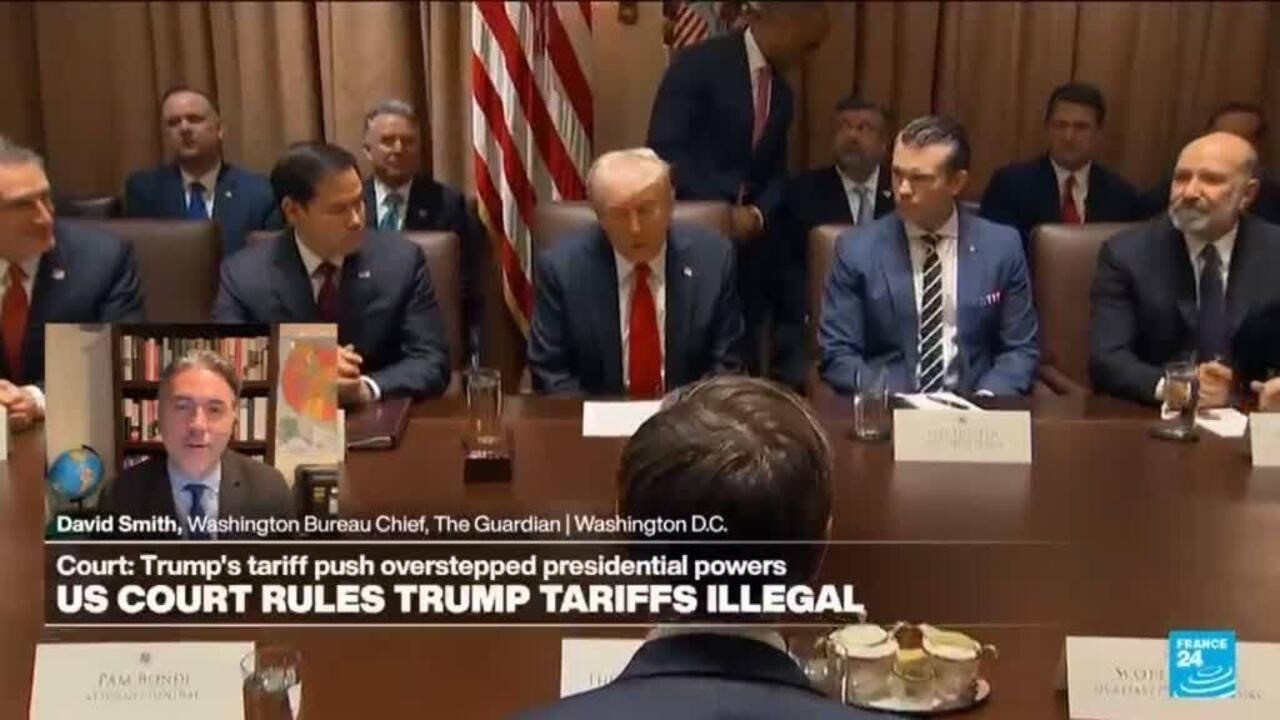
So what does this really mean What are the risks and where could the opportunities lie for investors Let’s break it down step by step.
A Quick Refresher on Trump’s Global Tariffs
Back in the spring, Trump announced what he called “Liberation Day” tariffs. The idea was simple but aggressive a flat 10 percent tariff on almost all imports into the United States, with higher rates for countries he accused of unfair trade practices. China, Mexico, and Canada were hit especially hard.
The logic of tariffs is straightforward Raise the cost of foreign goods to protect domestic industries and encourage companies to bring production back home. But history shows the downsides can be significant
• Import costs rise squeezing company profits
• Consumers end up paying more which fuels inflation
• Global supply chains get disrupted hurting US exporters in return
Trump’s legal justification came from a 1977 law known as the International Emergency Economic Powers Act or IEEPA. But here is the catch no president before him had ever tried to use that law to reshape tariffs on such a broad scale.
Why the Court Struck Them Down
The appeals court voted 7 to 4 against Trump ruling that he had overstepped his authority under IEEPA. In plain English the judges basically said the law was never meant to give the president a blank check to rewrite trade rules.
Still the court recognized that suddenly canceling tariffs could shock markets and international agreements. That is why they left them in place until October giving time for a possible Supreme Court appeal. For businesses and investors this “gray zone” is tricky tariffs technically remain but their future is up in the air.
How Markets Reacted
Because the decision came after US stock markets had closed the first reaction showed up in cryptocurrencies which trade around the clock.
• Bitcoin dropped more than 3 percent to about 108000
• Ethereum slid over 2 percent
• Ripple fell more than 5 percent
Why crypto first Because digital assets have become a barometer for global risk sentiment. When policy uncertainty spikes money often exits the most volatile corners of the market first. When US markets reopen export heavy industries and import reliant retailers are the ones to watch for turbulence.
The Bigger Risk Unpredictable Trade Policy
The ruling itself does not immediately erase tariffs. What really unsettles investors is the constant uncertainty around US trade policy.
Imagine running a multinational company with factories in Asia and customers in the US. Last year you had to reconfigure supply chains to deal with tariffs. This year a court says tariffs may vanish but also may not. How do you plan investments under those conditions That is the essence of what economists call an “uncertainty premium” businesses and investors demand extra compensation when rules keep shifting.
Where Investors Could Look for Opportunity
Every disruption creates both risks and chances. Here are a few areas worth watching
1. Safe haven assets
• Gold tends to shine during policy turmoil and when inflation or the dollar outlook is cloudy.
• US Treasuries could benefit if markets worry about growth risks.
2. Companies that gain if tariffs ease
• Retailers and consumer goods firms like Walmart and Target rely heavily on imports lower tariffs mean lower costs.
• Automakers such as Tesla and General Motors with complex global supply chains could also breathe easier.
3. Export sensitive sectors
• Agriculture is a prime example. Firms like Archer Daniels Midland and Bunge depend on access to overseas buyers. If tariff risks fade global demand may bounce back.
4. Cryptocurrencies
• Short term they may fall on risk aversion but long term they could draw support if investors see tariff chaos as a sign of instability in the dollar dominated system.
A Bigger Picture Takeaway
This legal fight is about more than tariffs. It reflects America’s struggle to define its role in a globalized economy. If US trade rules swing wildly between protectionism and openness investors will continue to pay a premium for uncertainty.
That is why in times like this hard assets and dominant companies tend to stand out. Hard assets like gold and commodities hold intrinsic value regardless of political swings. Industry leaders with deep balance sheets and global reach are more resilient to policy whiplash.
In other words when the rules of the game keep changing the safest bets are either real assets or real champions.