
Alibaba Stock Jumps 12% What Investors Should Know

For the past two years, Alibaba $BABA has been a tricky stock to follow. Competition at home has been intense, with Pinduoduo and Douyin stealing the spotlight. Many investors had simply written Alibaba off as yesterday’s story.

But after its latest earnings release, Alibaba’s stock surged 12 percent in a single day. The obvious question is whether this is the start of a real turnaround or just a short-term reaction. Let’s break it down in plain English.
Three Things You Need to Know from the Earnings Report
China e-commerce is still growing but profitability is under pressure
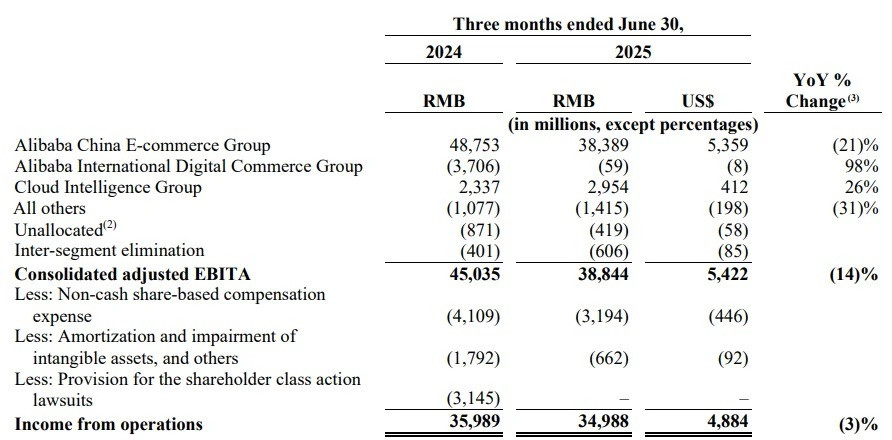
Revenue from Alibaba’s core e-commerce business in China rose about 10 percent. That sounds fine, but earnings fell more than 20 percent. The reason is straightforward: to fight off rivals like Pinduoduo and Douyin, Alibaba has been offering discounts and investing heavily, which eats into profits.
International business is showing real improvement
Alibaba’s overseas platforms, like Lazada, have been bleeding money for years. This quarter, losses narrowed sharply. The key change was management: instead of forcing a China-style playbook, Alibaba promoted local leaders who understand Southeast Asian markets better. Lazada even turned profitable in some regions, which investors have been waiting to see for a long time.
Cloud computing is the big surprise
Alibaba Cloud grew 26 percent, and its AI-related services have kept triple-digit growth for eight straight quarters. In simple terms, companies are not just renting Alibaba’s servers anymore—they are buying AI tools for customer service, marketing, and data analysis. This is the side of Alibaba that excites investors the most because it looks like a real technology company, not just an online store.
Why Investors Suddenly Care Again
Markets do not just trade on current numbers. They trade on expectations. Before the report, sentiment was very low. Investors assumed Alibaba’s growth story was gone. So when the company showed better-than-expected results in cloud and international business, the stock was re-rated quickly.
• The bar was low so even modest good news felt big.
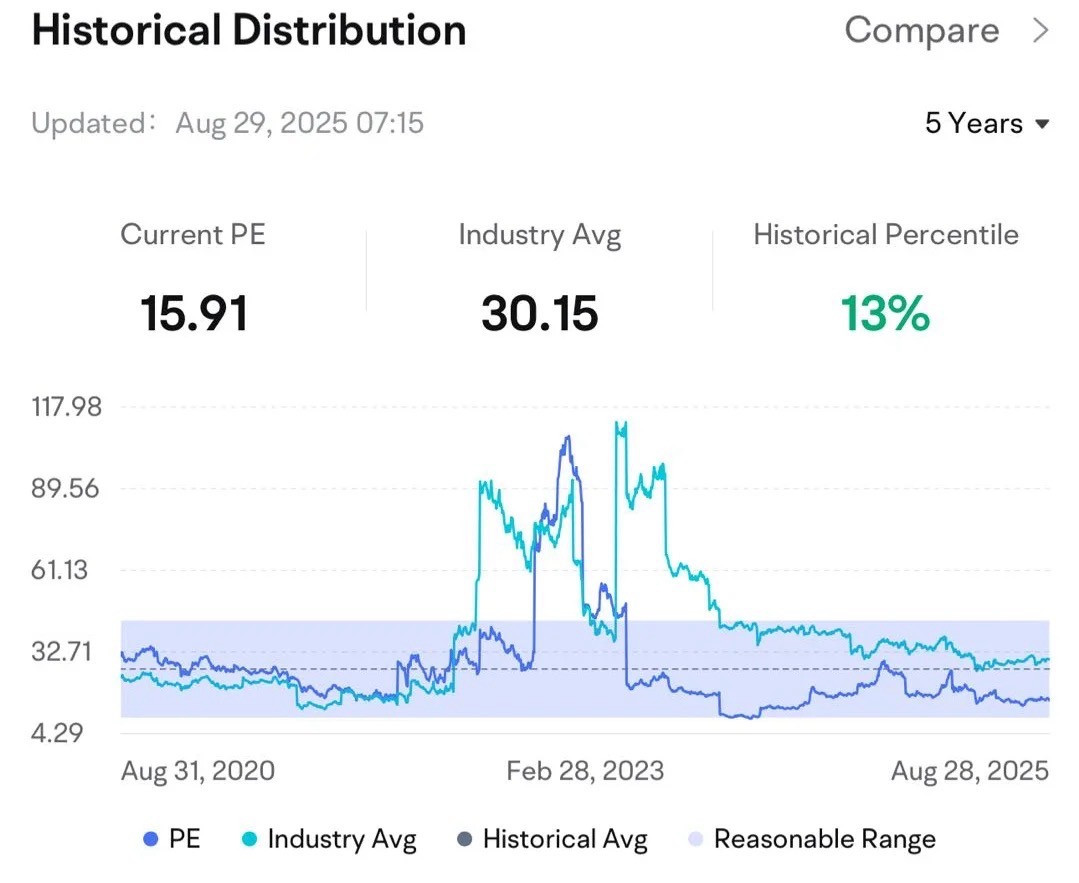
• Valuation is cheap with Alibaba trading at less than half the industry average price-to-earnings ratio. When a stock is that cheap, any positive surprise can spark outsized moves.
• The narrative is shifting from Alibaba being just a struggling e-commerce player to becoming a company with global and cloud growth potential.
This is why the market was willing to pay up after the report.
How to Think About Alibaba’s Future
Here are three simple takeaways:
1. China e-commerce is the cash machine. It will keep generating money but growth will stay modest, and margins will remain thin.
2. International business could be the dark horse. If Lazada can keep gaining ground and stay profitable, Alibaba will add a whole new growth leg.
3. Cloud and AI are the real swing factors. If cloud keeps growing above 20 percent with improving margins, investors may revalue Alibaba more like a global tech company than just a Chinese retailer.
In other words, Alibaba’s future story is less about selling products and more about selling technology and global scale.
Where the Investment Opportunities Are
For new investors, there are two straightforward approaches:
• Direct exposure by buying Alibaba stock (BABA in the US or 9988 in Hong Kong). The valuation is still attractive if you believe in the turnaround.
• Diversified exposure through a China tech ETF like KWEB, which spreads risk across multiple names in case Alibaba’s rebound doesn’t stick.
And for those who want to balance risk, don’t forget gold and other safe-haven assets. With global uncertainty and US-China tensions still in play, gold often benefits when markets get nervous, while growth stocks like Alibaba can be volatile.
Final Thoughts
Alibaba’s rally is not because it suddenly became perfect. It is because it reminded investors that it still has meaningful upside potential. Domestic e-commerce is holding steady, international business is healing, and the cloud division is finally looking like a true growth engine.
The real test will come in the next couple of quarters. If Alibaba can prove that Lazada stays profitable and that cloud growth remains strong, this 12 percent pop may just be the beginning of a much bigger recovery story.