
How Far Will the Fed Fall: Is a Deeper, Faster Cut Coming?

Major Wall Street forecasts and mounting U.S. labor weakness now point to a Fed easing cycle that could be both sooner and larger than markets currently expect.
Morgan Stanley’s rate-team scenarios imply materially lower federal funds through 2025–26, while policy hawks warn that political and fiscal interventions could push yields even lower across the curve. Investors are being asked to price in more than a single, modest cut — and to prepare for unconventional policy tools that could reshape the entire yield curve.
Key Points
- Morgan Stanley’s baseline: a 25bp cut this month, then roughly 25bp at every other FOMC meeting through 2026; alternate scenarios push the weighted path lower.
- Scenario probabilities: fiscal-driven demand (10%), higher inflation tolerance with demand upside (10%), mild recession from trade/shock (30%).
- Policy range implication: fed funds could fall toward ~2.25% in 2025–26, with a possible terminal area near 2.75%.
- Market posture: MS recommends long 5-year and long-duration Treasuries, steepener trades, and being long Jan-2026 Fed funds futures.
- Political / unconventional risk: analysts (e.g., Tchir) warn Washington might employ tools — one-off large cuts, Operation Twist, inflation-metric shifts, or even YCC — to compress long yields.
- Catalyst to watch: weak payrolls and large historical revisions; recent data and Fed remarks have materially increased the odds of imminent easing.
Morgan Stanley says: How aggressive might easing become?
Morgan Stanley’s rate strategists re-ran their forecasts under three alternative scenarios and concluded that the “center” of outcomes is more dovish than the market assumes.
Their baseline still expects patterned 25bp cuts, but when they weight plausible alternatives the implied path sits below their headline forecast. In concrete terms, the team sees room for policy to move toward a mid-2% range — not just a shallow retreat.
This view drives two practical market calls: own duration in the 5-year and long maturities, and position for a steeper curve. The bank argues that markets underprice the odds of either a sharper demand slowdown or a Fed that tolerates temporarily higher inflation in order to protect the labor market.
Tchir asks: Could Washington force the curve lower — and how?
Peter Tchir’s argument takes a step beyond conventional Fed mechanics and asks whether the Treasury, the Fed, and broader policy apparatus could coordinate to push the entire curve down.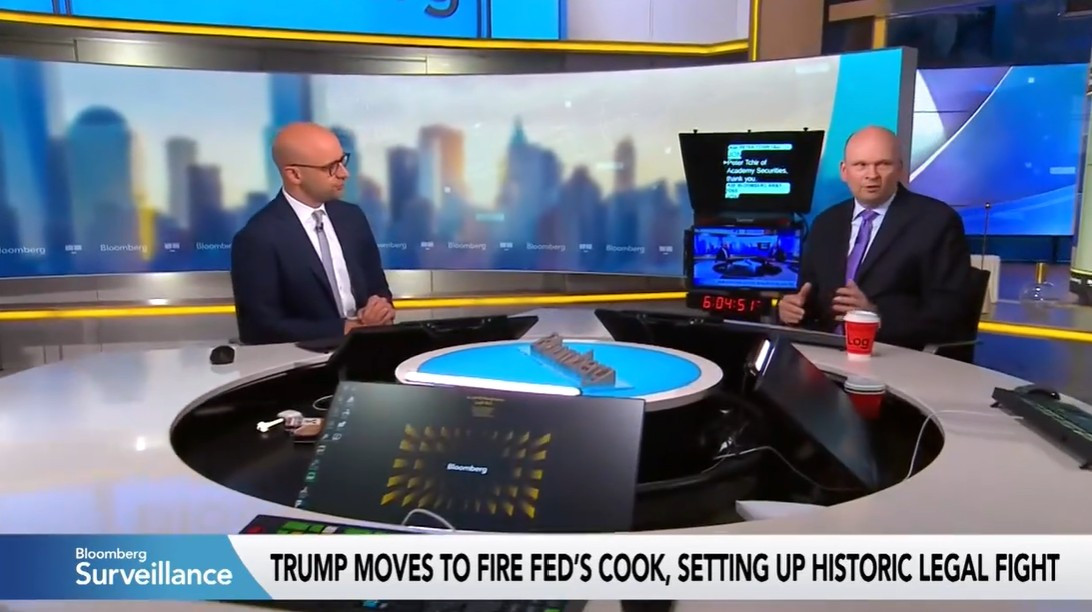
He sketches a toolbox that ranges from plausible to extraordinary: a one-time 100bp policy shock with strong forward guidance; re-opening the “Operation Twist” playbook (selling short-dated Treasuries to buy long-dated ones); manipulating headline inflation metrics by emphasizing alternative housing measures; or even contemplating yield-curve control.
Each option carries operational and political complexity. But Tchir’s point is serious: if short-term rate cuts fail to affect long-term borrowing costs, policymakers may reach for direct tools to compress yields and support growth — especially when employment weakness threatens political and economic stability.
What the jobs data is saying: is the nonfarm number the decisive signal?
Recent employment releases and large historical revisions have cast doubt on the strength of U.S. labor markets. Average monthly job gains from May through July were anemic, and headline figures were subject to dramatic downward adjustments. Those revisions — plus signals from Fed officials who have publicly highlighted rising downside labor risks — sharpen the case that a fresh weak nonfarm payrolls report could clinch imminent easing.
Fed Chair Powell’s Jackson Hole remarks, read as dovish, and comments from officials like Waller stressing the urgency of accommodation, have further aligned expectations. In short: the labor data, not inflation alone, now sits center stage in the Fed’s calculus.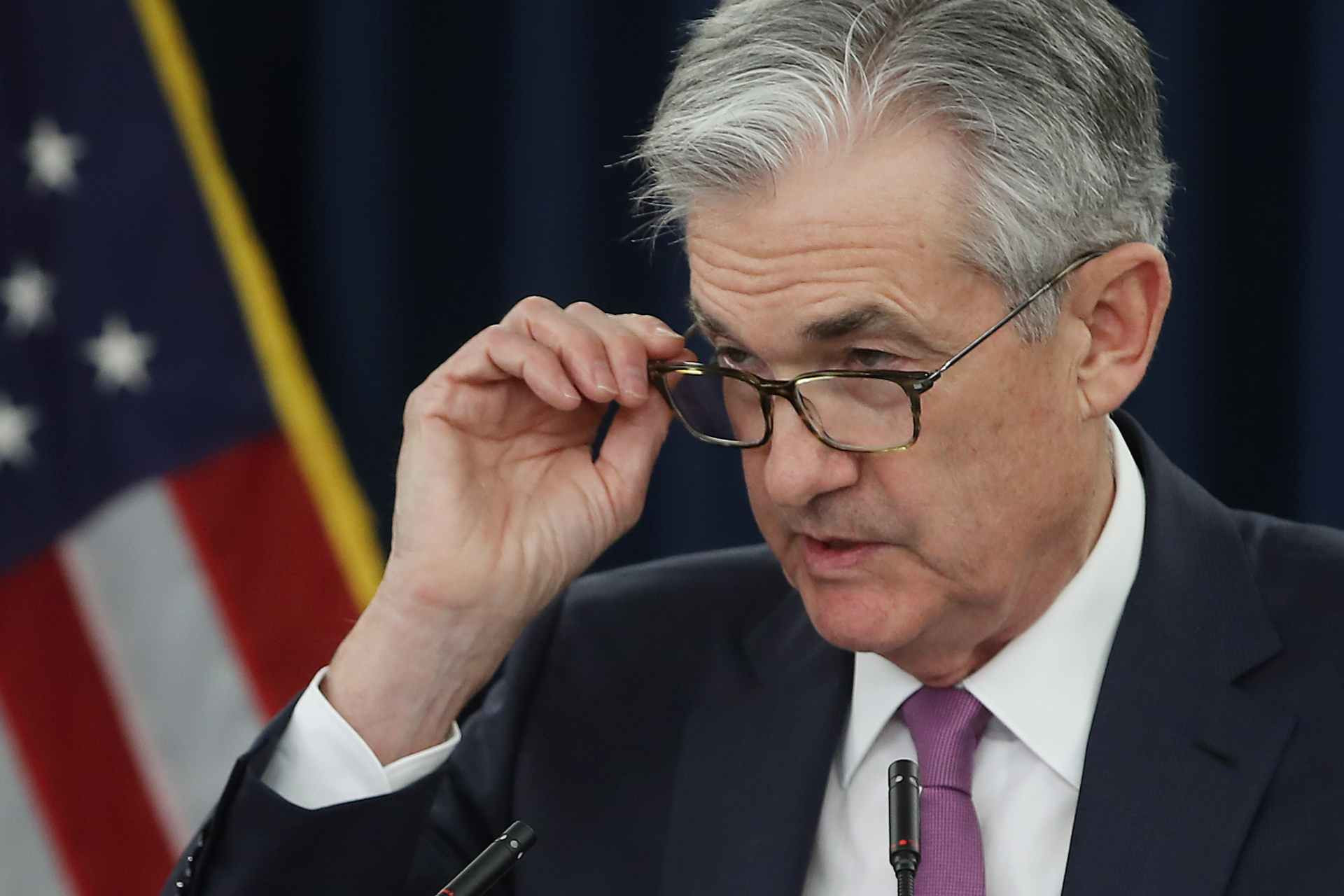
Market read-through: short end vs. long end — who wins?
A conventional market view holds that cuts will lower short-term rates while long-term yields may rise if inflation fears resurface. Morgan Stanley counters there’s a credible path where both short and long yields fall — either because disinflation continues or because aggressive policy and fiscal coordination suppress long rates directly.
Practically, Morgan Stanley recommends going long 5-year Treasuries and long-duration bonds while structuring steepening trades that profit if front-end rates fall faster than long yields reprice. Traders should, however, keep liquidity and convexity risks front of mind: an abrupt shift in inflation expectations would rework these positions quickly.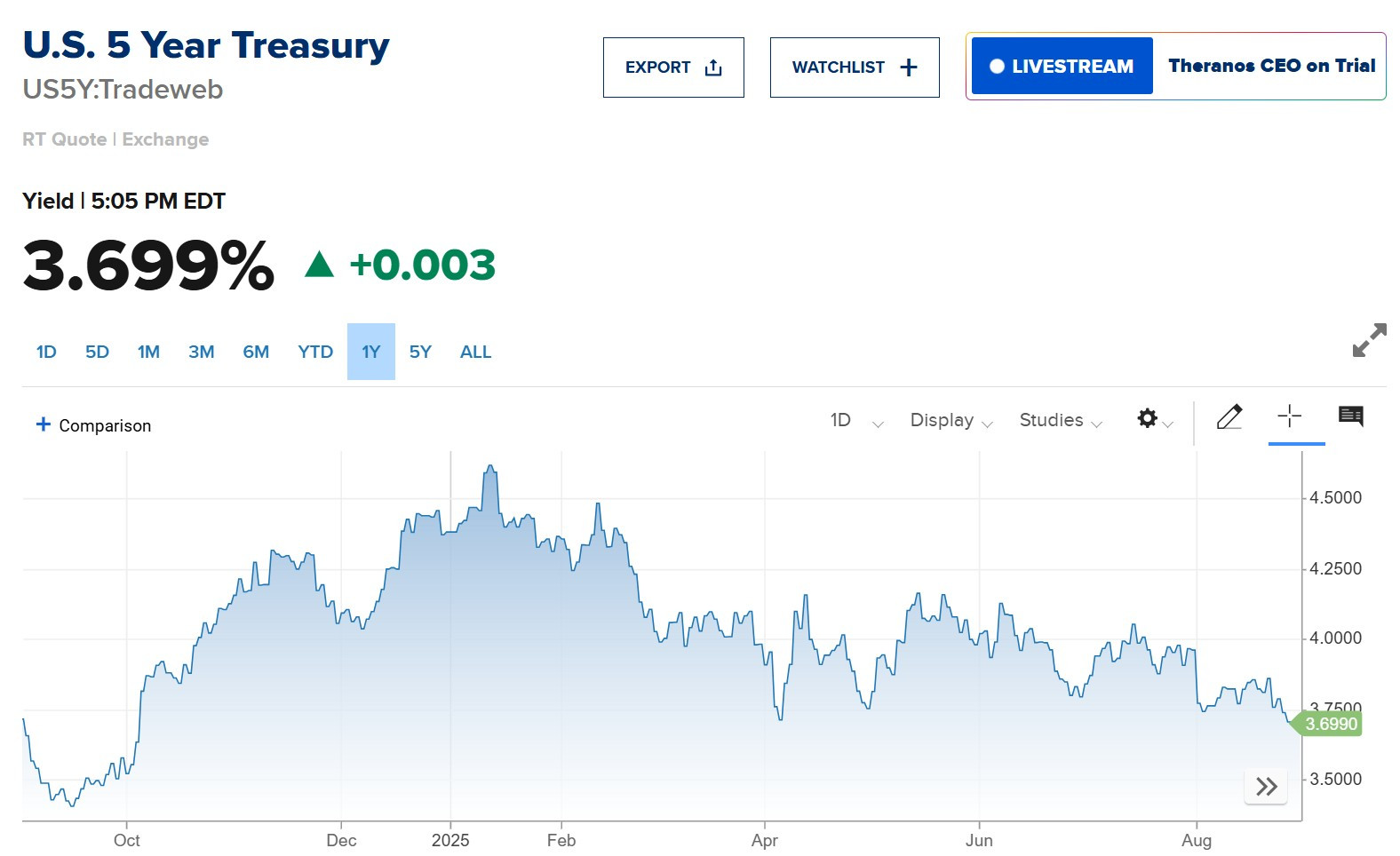
Drill-down: Morgan Stanley’s scenarios
Fiscal stimulus + animal spirits (10%): stronger demand from fiscal expansion that paradoxically coexists with easier policy bets because politics changes market expectations.
Higher inflation tolerance + demand boost (10%): the Fed tolerates a higher inflation path, but the resulting economic mix still produces a dovish path for policy in the near term.
Mild recession via trade shock (30%): a disruption-driven downturn that reduces policy rates materially.
Weighted together, these scenarios implied a materially lower average policy path and prompted the firm to argue bond bulls remain underweighted.
How unconventional would unconventional be?
Restarting Operation Twist is operationally feasible: the Fed would sell short-term securities and buy longer maturities to suppress long yields. Yield-curve control (YCC) is less familiar to U.S. markets but not impossible — it would commit to a cap or target on select maturities.
Changing inflation measurement methodology is politically and technically fraught but could be used to shift market psychology. Each path risks credibility costs; yet in an environment where traditional cuts have diminished pass-through, policymakers may judge the tradeoffs worth taking.
Investors ask: What should I watch and how to position?
Watch three data points first: the next nonfarm payrolls print and subsequent revisions; core inflation measures (PCE/CPI components) for signs of stickiness; and any public signals from the Fed or Treasury about balance-sheet operations.
Short term, risk-managed exposure to 5-year Treasury duration and selected long bonds aligns with Morgan Stanley’s playbook. Pair those with steepener options to benefit if the front-end falls more than the belly of the curve.
Also prepare tactical hedges for the possibility of a volatility spike: if inflation surprises to the upside or political chatter spooks bond markets, long-duration positions can suffer rapid repricing.
What this means for the macro narrative
The crux is simple: weaker labor markets and the political appetite to fight them have tightened the case for deeper Fed easing.
If job growth continues to disappoint and headline inflation shows signs of decelerating or being reinterpreted, the Fed may move earlier and further than many currently price. Conversely, if inflation stubbornly re-accelerates, unconventional tools would become less likely and markets would pivot.
Bottom line: Will markets have to rethink the “only short-end falls” credo?
Yes — the debate is no longer academic. Morgan Stanley’s scenario work and Tchir’s warning together force investors to consider a world where cuts are larger, the Fed’s toolkit widens, and long yields fall alongside front-end rates.
That outcome would reward duration and curve-steepening strategies and punish those positioned only for a modest, isolated front-end easing. The decisive inputs will be the labor prints and any policy moves that change the market’s assessment of how far and how fast the Fed (or Washington) will go.