
AI-Powered, But at What Cost? Figma’s First Earnings Test

Shearing sheep
September 2, 2025
GoGPT Summarizes Articles

On September 3, 2025, after the market closes, the design collaboration platform Figma (FIG) will release its first-ever quarterly earnings as a public company. This isn’t just another SaaS earnings call—it’s a reality check for one of the hottest IPOs of the year.
A Blockbuster IPO
When Figma went public on July 31, 2025, few expected the frenzy that followed. Priced at $33 per share, it exploded on day one—opening at $85, hitting circuit breakers, and eventually closing at $115.50, up nearly 250%. That briefly valued the company at over $60 billion, making it the biggest VC-backed U.S. tech IPO in years.
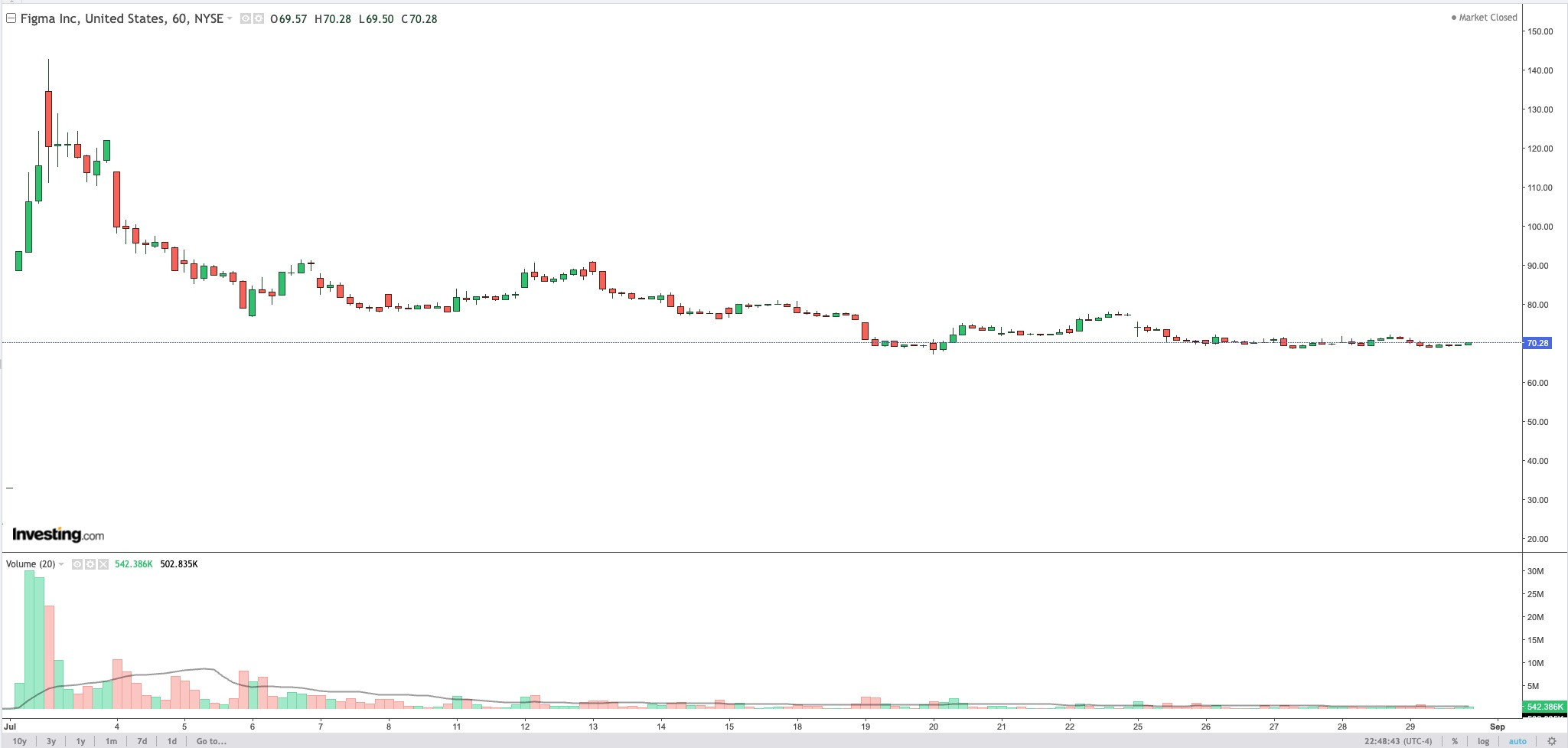
But after the fireworks came a dose of reality. By late August, FIG had cooled off to the low-to-mid $70s. Wall Street analysts rushed in with coverage, and most settled on the same conclusion: Figma is a powerful product, but its valuation looks stretched. Price targets have clustered around $74–85, with an overall “neutral/hold” consensus.
That shift shows how quickly sentiment changes in IPO land. Investors love a good growth story, but they’re equally quick to ask: “How much are we really paying for it?”
The Numbers to Watch
Consensus estimates suggest Q2 revenue will come in at about $248 million, with adjusted EPS expected at $0.08. That may not sound like much, but the trajectory of growth is what really matters.
In 2024, Figma generated $749 million in full-year revenue, marking a 48% year-on-year increase. In the first quarter of 2025, revenue reached $228 million, up 46% year-on-year, and the company surprised markets with a profit of $8.6 million, or $0.04 per share. Its net dollar retention stands at 132%, showing that existing customers are consistently spending more on the platform. On top of that, Figma’s customer base is as strong as it gets—95% of Fortune 500 companies already use its tools, alongside high-profile names like Netflix, Google, and Airbnb.
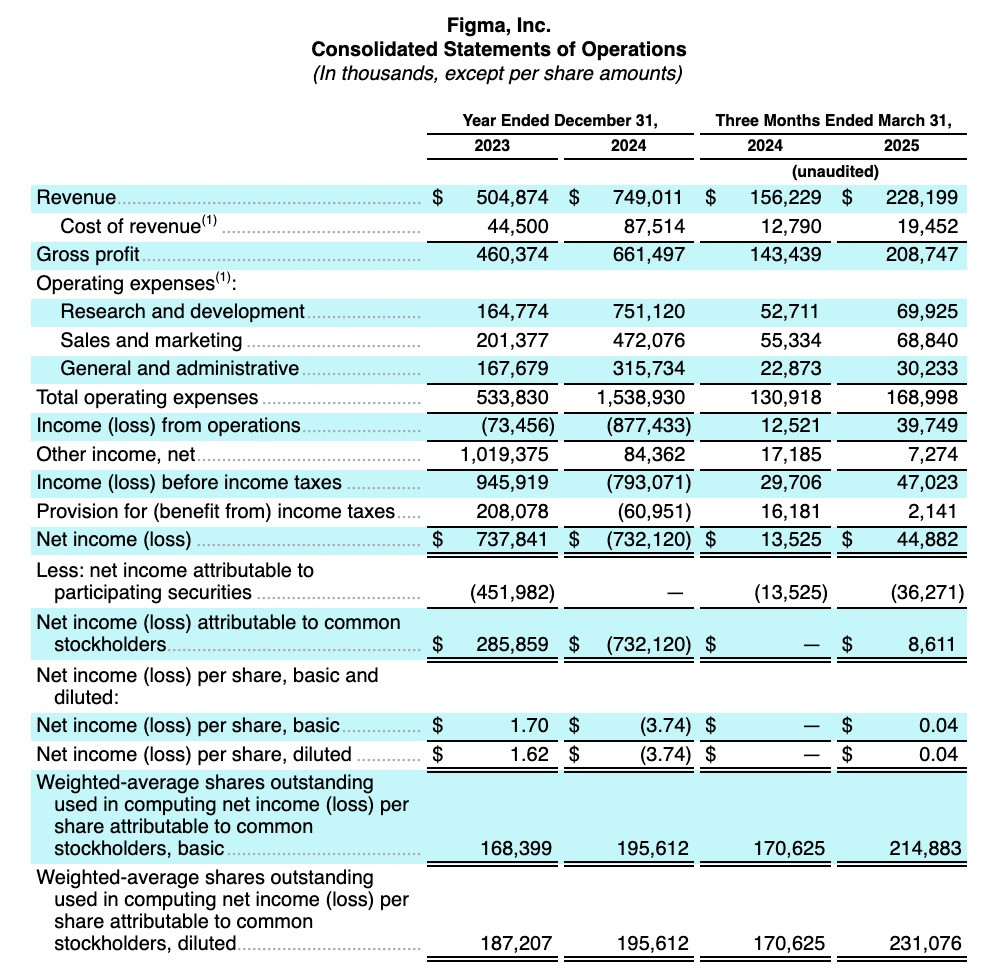
If the company can deliver another quarter of 40%+ revenue growth while improving margins, it would give investors more confidence that Figma’s story is built on substance rather than just IPO hype.
AI: Growth Engine or Double-Edged Sword?
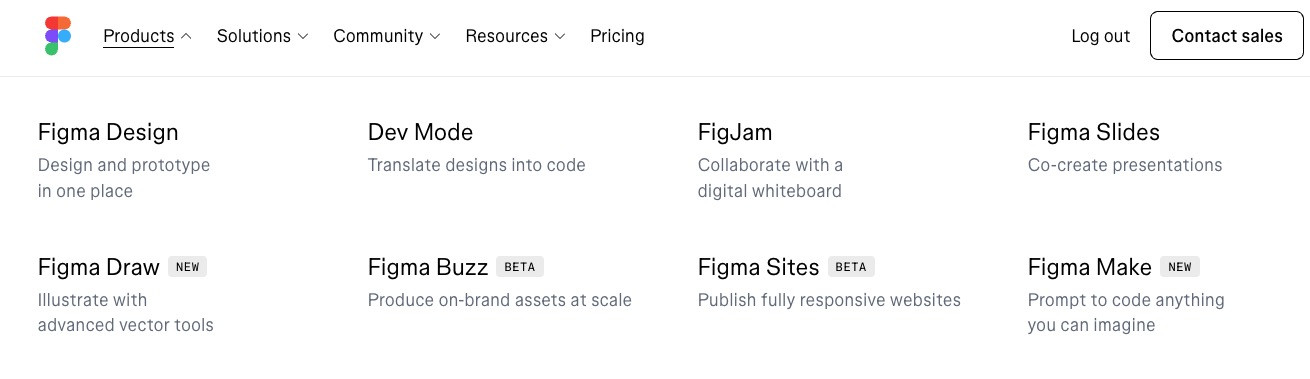
Figma isn’t just pitching itself as a design tool anymore—it’s calling itself an “AI-driven collaborative platform.” At this year’s Config conference, it rolled out a suite of AI features:
-
FigJam AI: turns prompts into templates, flowcharts, brainstorming notes.
-
Dev Mode MCP: converts design structures into code suggestions.
-
Figma Sites / Make / Buzz / Draw: AI-powered tools for prototyping, brand creation, web building, and visual content.
This expands Figma’s reach well beyond design, into development, marketing, and content creation. It’s a smart play, especially as companies look to streamline workflows across teams.
But there’s a catch. The company itself has warned about systemic risks in its filings:
-
Third-party AI dependency: Much of its AI runs on APIs from OpenAI and Anthropic. If those providers change pricing or access rules, Figma’s features could suffer.
-
Copyright and legal grey zones: AI-generated designs, code, or graphics may trigger ownership disputes, and Figma could end up in the legal crossfire.
-
Competitive erosion: Canva, Notion, Framer, and others are racing to integrate AI too. What feels cutting-edge today could quickly become table stakes.
Investors will want to see not just adoption, but whether these AI tools drive monetization—through upselling, higher retention, or usage growth.
The Valuation Question
Here’s the elephant in the room: Is Figma worth this much, this early?
Even after the recent pullback, FIG trades at a forward P/S ratio above 40, far richer than peers like Adobe (around 10x). That kind of valuation assumes years of 40%+ growth and a clear path to profitability.
History tells us that many hyped IPOs stumble under that weight. Netflix, for example, lost 70% of its value within months of going public. Amazon shed nearly 30% in its early days. The lesson: markets eventually demand proof.
Right now, most analysts are in cautious mode. Out of nine covering the stock, seven rate it a hold, while two say buy. In other words—nobody’s screaming “strong sell,” but the Street wants to see execution before leaning bullish.
What to Watch on Sept 3
For investors tuning in, a few key metrics will stand out:
-
Revenue growth: Can Figma keep momentum above 40% YoY?
-
Margins: Will adjusted EPS and gross margins improve quarter over quarter?
-
AI traction: Any early signals that its AI suite is boosting engagement or monetization?
-
Guidance: Does management set a confident tone for the rest of FY25?
How management addresses valuation concerns and competitive risks could be just as important as the numbers themselves.
My Take
Figma is one of the most exciting SaaS names to hit the market in years. It broke Adobe’s monopoly, built a sticky ecosystem, and expanded into multi-role collaboration. The AI push makes sense strategically, and customer engagement metrics are impressive.
But the stock has a lot priced in already. Even with a solid report, investors may hesitate to chase it higher until there’s a longer public track record. For now, I’d view FIG as a stock to watch closely rather than rush into.
Long-term? If it continues executing at a 40%+ growth clip, improves profitability, and finds sustainable ways to monetize AI, it could absolutely grow into its valuation. But in the short term, expect volatility around earnings.
#Q2 Earnings Hunter: Share Your Stories