
Market Tension Builds: Will September Finally Snap the Rally?

Markets are entering a historically perilous month with stretched positions and a dovish Fed narrative that could suddenly reverse. UBS warns that seasonal weakness, crowded positioning and key macro prints around mid-September raise the odds of a >5% $SPX pullback in the coming month. Investors should consider defensive hedges now.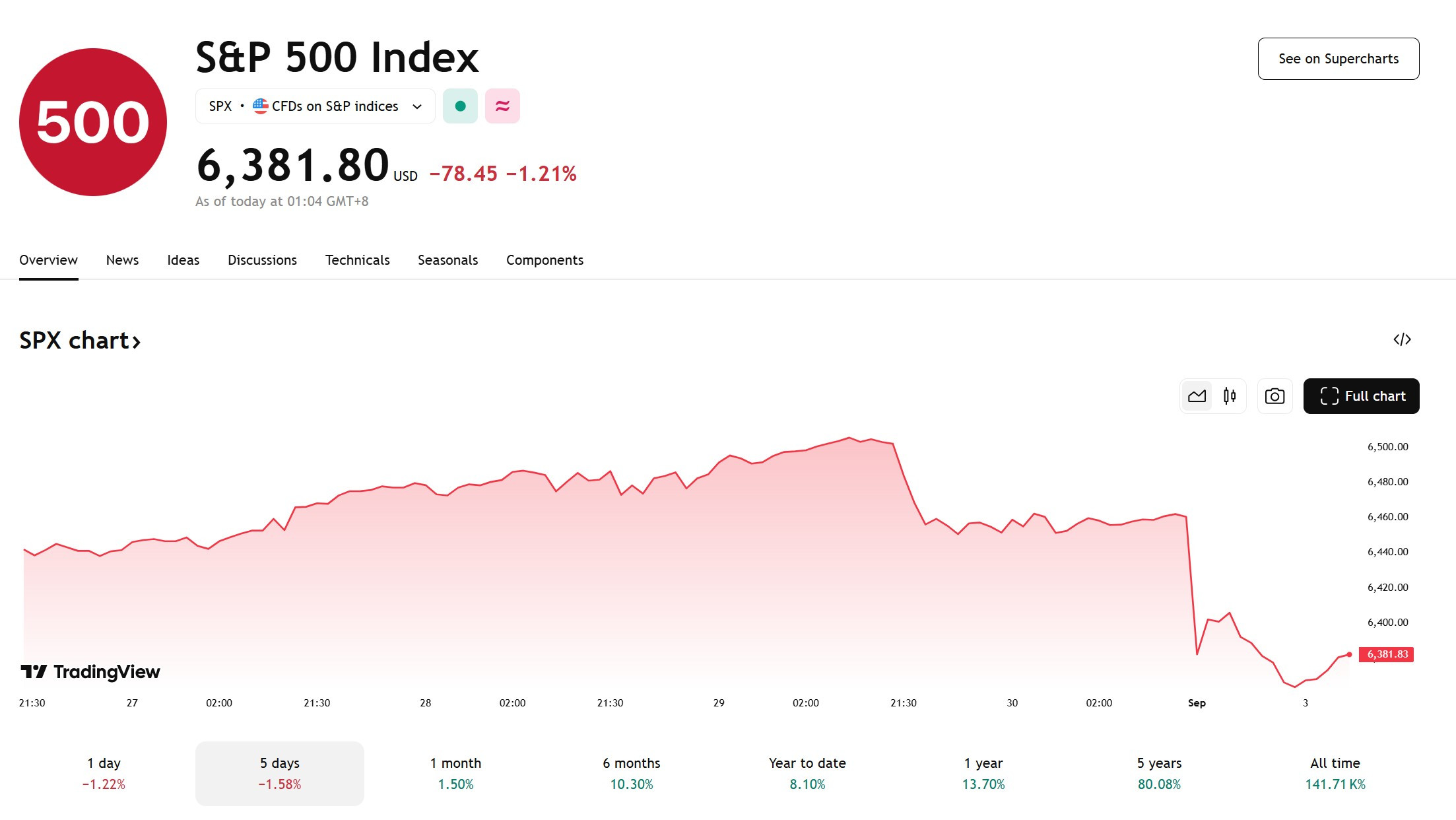
What’s the immediate picture? Markets look strong — but fragile
U.S. equities closed August on a strong note, driven largely by an earnings-per-share (EPS) revision wave that lifted $SPX and Nasdaq-100. That momentum masks growing concentration in cyclicals and AI leaders, and positioning that UBS believes is unusually high for this stage of the cycle.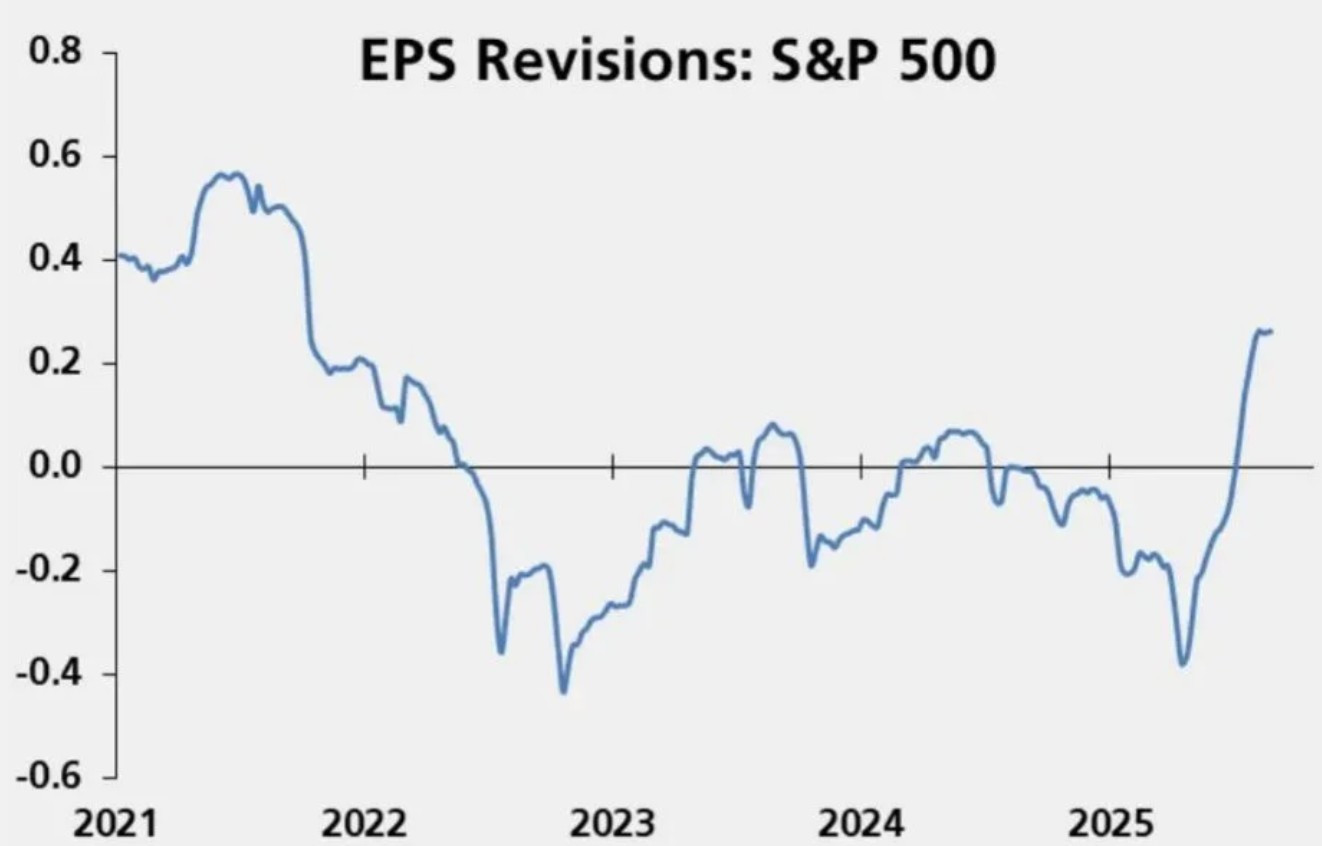
Fed Chair Powell’s recent dovish tone — perceived by markets as increasing the odds of a September cut — has encouraged risk taking. But UBS cautions that the combination of richly priced growth expectations and seasonal headwinds makes the rally brittle.
Key takeaways
- UBS finds August’s rally was primarily EPS-revision driven, not broader fundamental improvement.
- Seasonality: September is the weakest month historically for major U.S. indices; patterns tend to worsen mid-month and often overlap with FOMC event risk.
- UBS economists expect U.S. nonfarm payrolls of ~70,000 for September, beneath the consensus of ~75,000 — a downside print could be market-moving.
- Concentration: cyclicals vs defensive indices gap is near historical highs; small-cap and systemically leveraged funds show high exposures.
- UBS’s model shows an increased probability that $SPX falls more than 5% in the next month.
- Defensive trade ideas recommended: buy Russell 2000 put options, buy October call options on gold ETFs, prefer software exposure over semiconductors given potential $NVDA softness.
- Analysts caution seasonality is only part of the story; macro fundamentals can override historical tendencies.
Why September has a reputation — and why that still matters
September’s “curse” is more than folklore: long-run market data show persistent weakness. Since 1897 the Dow’s average September return is about –1.1%, with only ~42% of months positive. The S&P and Nasdaq also suffer negative long-run average returns, and institutional behavior—position rotations after a low-liquidity summer—consistently raises volatility.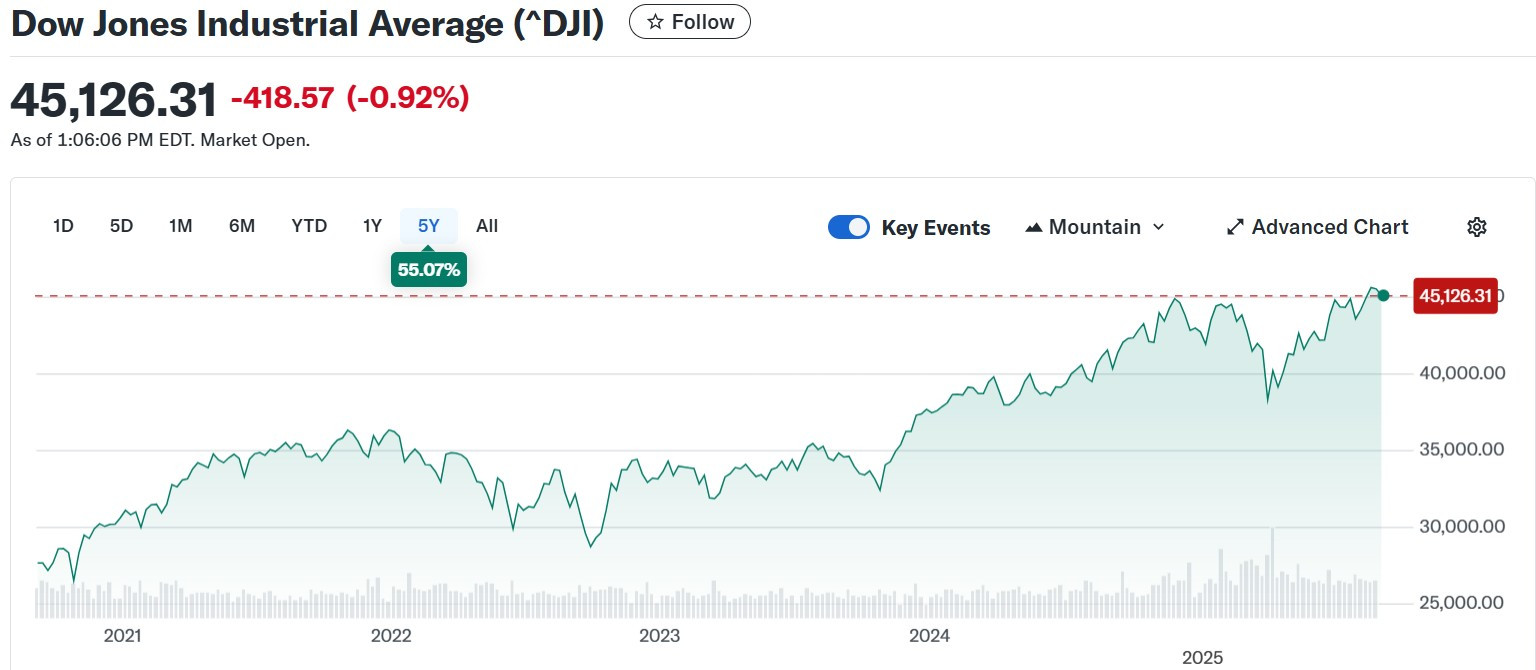
This calendar pattern matters because seasonal flows interact with real events. Many funds rebalance in the fall, retail trading slows, buybacks enter quieter periods, and options/derivative positioning that built up over summer can unwind quickly when a catalyst appears.
What’s different this year — bullish inputs and lurking fragilities
There are reasons investors argue September may be muted this year: strong July–August performance, optimism about a Fed cut, and healthy EPS revisions. Small caps (Russell 2000) posted an unusually strong August — roughly +7% — their best August in 25 years.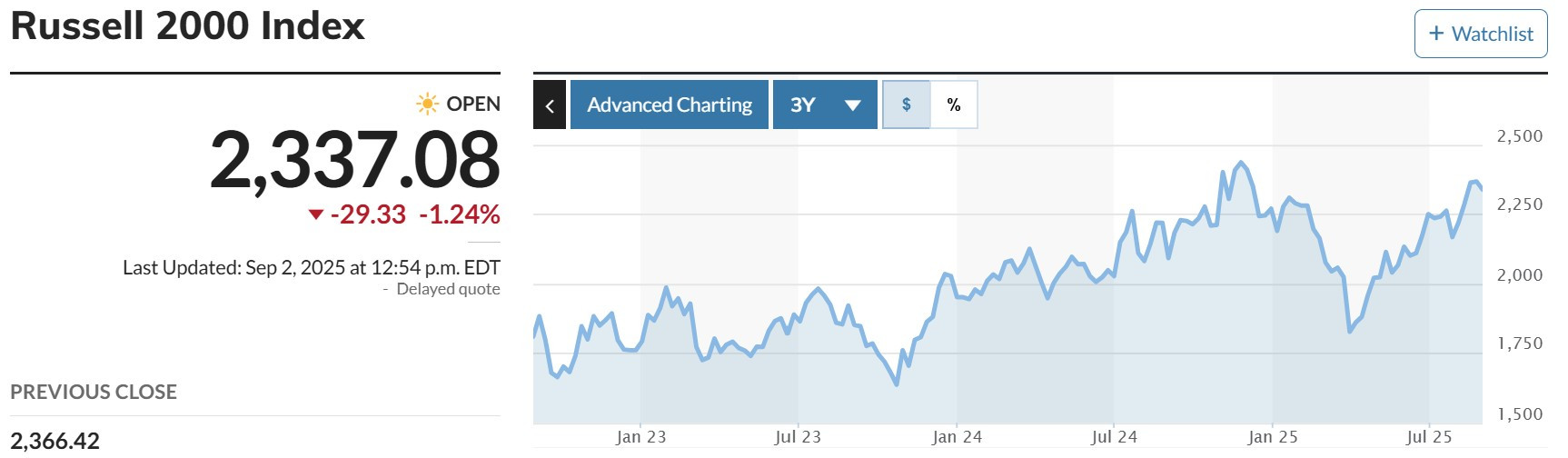
But these bullish signals coexist with clear vulnerabilities. UBS highlights that cyclicals are priced for continued growth, and AI-leadership concentration (e.g., NVIDIA) dominates upside. If megacap AI names “take a breather” after earnings, the broader market could lose its engine.
What could actually trigger the move down?
Several concrete catalysts could flip the mood quickly:
A weaker than expected nonfarm payrolls or inflation print that calls growth or policy clarity into question. UBS flagged a downside NFP surprise as a high-impact event.
Disappointing earnings from the very companies that have been driving indices higher — notably AI leaders that may deliver “post-reporting” exhaustion.
A liquidity squeeze as summer vacation ends and institutional rebalancing accelerates withdrawals from crowded positions.
Because the seasonal risk often intensifies mid-September — when FOMC calendars and data releases cluster — the timing of any catalyst matters as much as its content.
UBS’s defensive playbook — concrete, not hypothetical
UBS recommends dialing down risk ahead of key data and earnings. Their suggested tactics are:
- Buy puts on the Russell 2000 as protection for smaller-cap exposure.
- Buy October call options on gold ETFs to hedge against a risk-off spike and potential safe-haven flows.
- Rotate from semiconductors into software: if NVIDIA and peers cool after earnings, software stocks could offer more stable exposure to AI tailwinds.
These are tactical suggestions meant to protect portfolios during an elevated-risk seasonal window, not strategic long-term calls.
How to balance seasonality with fundamentals — a practical guide
Seasonality is an input, not a mandate. The prudent investor treats it as a risk flag and acts according to exposure and time horizon. Short-term traders may scale hedges or tighten stops. Longer-term investors should assess whether current positioning amplifies downside risk to their objectives.
Key behavioural rules: (1) quantify exposure to cyclical and concentrated AI/mega-cap positions; (2) size any hedges to the actual risk you carry; (3) avoid over-hedging, which can erode returns if seasonality fails to materialize.
What market history teaches — context, not prophecy
Historical averages show September skewed negative, but history is not destiny. When the S&P entered September above its 200-day moving average, the average return improved materially in past decades. That means technical context and macro prints can override seasonal odds.
Still, higher-probability scenarios point to greater downside risk when positioning is crowded, and when seasonal patterns align with policy and data events. UBS’s model reflecting increased odds of a >5% correction is consistent with that mechanical interaction.
The investor question: hedge now or wait for a signal?
UBS’s counsel is cautionary: reduce gross risk before major data events rather than waiting for headlines. For many investors, that means trimming size or adding low-cost, time-limited protection (short-dated options, gold calls) to blunt a plausible drawdown without permanently altering portfolio risk budgets.
If you prefer active timing, consider smaller, staged hedges rather than an all-in defensive posture. The goal is to buy insurance when premiums are still reasonable, not to try and perfectly time the bottom.
Final verdict — take the seasonality warning seriously, but keep the broader frame
September’s reputation is real: seasonality, crowded positioning and the FOMC/data calendar make the month a higher-risk window. UBS’s warning — that the probability of a meaningful S&P pullback has risen and that prudent defensive trades are sensible — should be taken seriously by investors exposed to cyclicals and concentrated AI winners.
At the same time, the broader market backdrop still contains bullish elements: EPS revisions, the possibility of policy easing, and technical breadth that matters. The right approach is not panic, but calibrated protection: understand your exposures, apply cost-efficient hedges, and be ready to re-enter opportunistically if the market re-prices risk.
September’s seasonal danger and UBS’s signal of rising downside odds are real. Investors aren’t required to abandon risk, but they should respect the heightened probability of turbulence by trimming exposure and using targeted, time-limited protection.