
The Cloud Is Where AI Really Pays Off

When ChatGPT launched in late 2022, it didn’t just capture the world’s imagination—it also triggered a massive spending wave from the biggest tech companies. Microsoft, Google, Amazon, Alibaba, and Oracle all ramped up their capital expenditures to build more data centers, faster chips, and stronger cloud platforms. The question on everyone’s mind has been the same: is this an AI bubble, or are we actually seeing real returns?
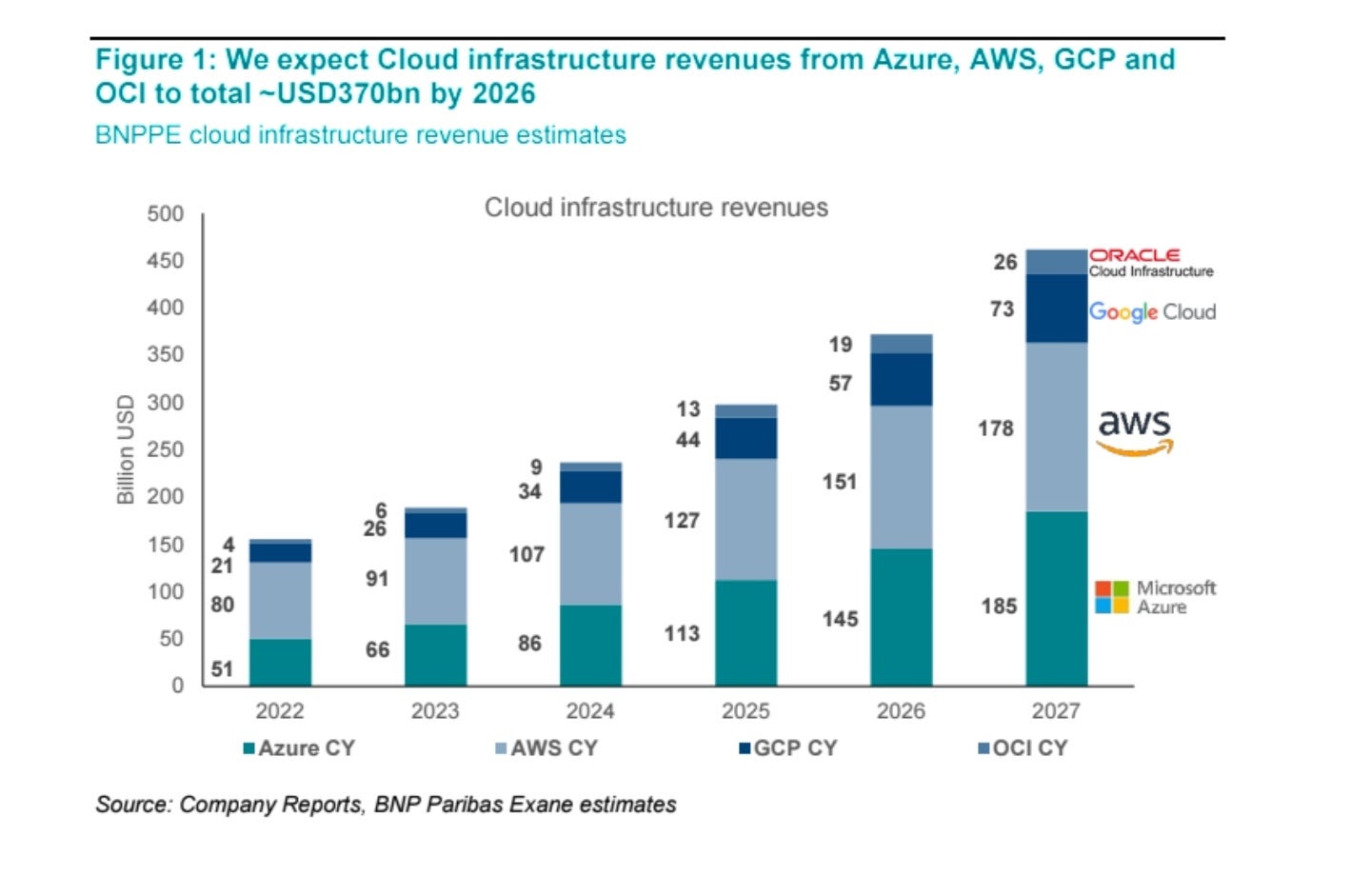
The latest earnings from the world’s top cloud providers suggest the answer is clear. AI is not just hype—it’s starting to show up in revenue and profit. And the cloud is where those returns are visible first.
Why the Cloud Benefits Most from AI
Artificial intelligence needs one thing above all: compute power. Training a large AI model can cost tens or even hundreds of millions of dollars. Running those models every day also requires huge amounts of computing and storage. Very few companies can afford to build that kind of infrastructure themselves.
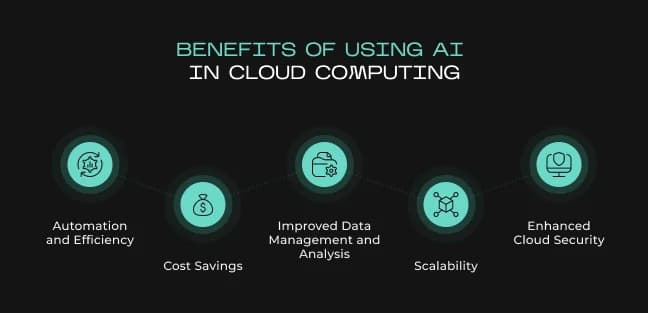
That’s where the cloud comes in. Think of cloud providers as digital landlords. Every AI startup, every enterprise experimenting with AI, ends up renting computing power from these platforms. The more AI grows, the more rent the cloud companies collect. It’s like a toll road: no matter who wins the AI application race, the cloud takes a cut from all the traffic.
What the Numbers Tell Us
Looking at the second quarter of 2025, the picture is surprisingly consistent across the big five providers:
-
Amazon Web Services (AWS) $AMZN posted $30.9 billion in revenue, up 17% year-over-year. Growth held steady at 5% quarter-on-quarter. The company is still the market leader by size, with $195 billion worth of long-term contracts already signed. Margins slipped slightly, but AWS remains one of Amazon’s strongest profit engines.
-
Microsoft Azure $MSFT is clearly pulling ahead in the AI race. Its revenue jumped 39% year-over-year to $21.7 billion, accelerating from the prior quarter. The wider Intelligent Cloud division brought in nearly $30 billion with a record operating profit of $12.1 billion, maintaining a fat 41% margin. Microsoft’s early partnership with OpenAI is translating into real business momentum.
-
Google Cloud $GOOGL also delivered, with revenue up 32% year-over-year to $13.6 billion. More importantly, it’s now consistently profitable, generating $2.8 billion in operating income with a 21% margin. Its contract backlog surged 38%, showing strong demand ahead.
-
Alibaba Cloud $BABA grew 26% year-over-year to $4.7 billion. While smaller in scale, it has now logged three straight quarters of accelerating growth, showing that China’s demand for AI computing is ramping up fast.
-
Oracle Cloud Infrastructure (OCI) $ORCL is the dark horse. Revenue soared 52% to $3.0 billion, with consumption revenue growing even faster at 62%. Oracle’s strength is in highly specialized workloads, and it has carved out a niche in the AI boom.
What stands out is not just growth but acceleration. These companies aren’t just riding a one-off spike; demand is building quarter after quarter. That’s rare for such a mature industry and highlights how AI is reshaping the cloud business.
What It Means for Investors
For investors, the lesson is straightforward: the first real, measurable returns from AI are happening in the cloud. Instead of betting on which AI application—chatbots, copilots, or self-driving tech—will win, owning the infrastructure side looks like the more reliable play.

Personally, I see three tiers here:
-
Leaders: Microsoft and Google. Both are showing accelerating revenue and strong profitability. They are positioned as the biggest beneficiaries of the AI shift.
-
Steady giant: AWS. It’s still the largest by scale, and its backlog ensures stability, but it feels more like a long-term compounder than a hypergrowth story right now.
-
High-beta play: Oracle. Small in size but growing fast. It could deliver outsized returns if its AI niche keeps expanding.
-
China exposure: Alibaba Cloud. A way to tap into the growth of AI in China’s domestic market, though it comes with regulatory and macro risks.
The Bigger Picture
The market has quietly shifted. A year ago, the question was “is AI real or just hype?” Today, the question is “who’s actually making money from it?” And the clearest winners so far are the cloud providers.
This doesn’t mean AI is risk-free. Spending cycles could slow if the economy weakens, and competition among the giants is fierce. But the direction of travel is clear. Cloud computing has become the toll road of the AI era, and traffic is only getting heavier.
For investors, that makes cloud one of the most straightforward ways to ride the AI wave—not by betting on the next killer app, but by owning the platforms that every app has to run on.