
Labor Alarm: Is the U.S. Job Market Finally Showing Real Weakness?

August’s payrolls stunned markets: nonfarm payrolls rose by just 22,000 versus a consensus 75,000, and the unemployment rate climbed to 4.3%, the highest since late 2021. Revisions pushed June into negative territory and trimmed the recent three-month average to about 29,000 jobs per month. Markets quickly priced a September Fed cut as nearly certain; gold surged and the dollar weakened. This report changes the policy and market conversation.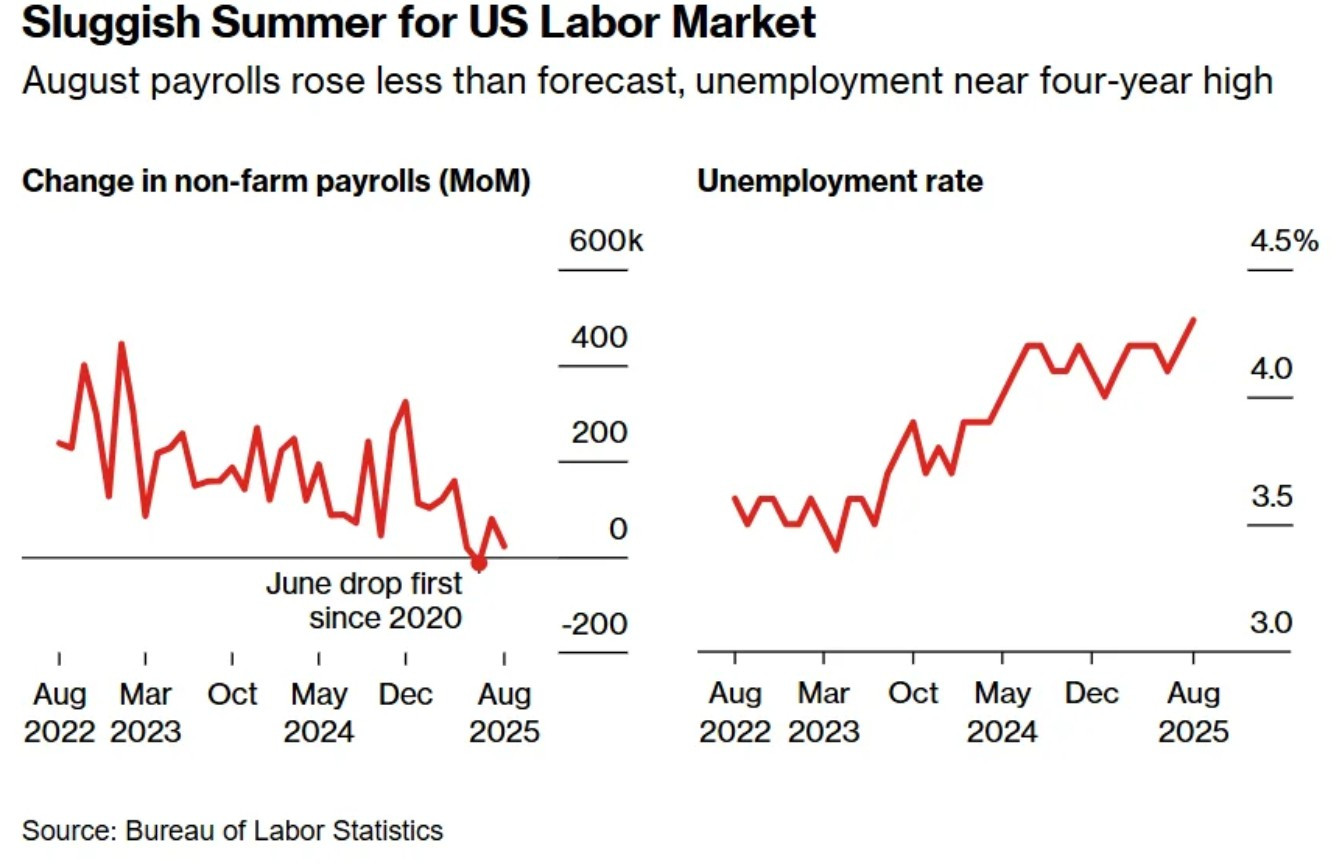
Key Points
- Payrolls: +22,000 in August (consensus +75,000).
- Unemployment: 4.3%, highest since late 2021.
- Wages: Average hourly earnings +0.3% MoM, +3.7% YoY.
- Revisions: June revised from +14k to −13k, July from +73k to +79k; net −21k.
- Short-run trend: Three-month average ≈ 29,000 jobs/month; four months below 100,000.
- Sectors & other signals: Education/health +46k; durable goods −19k; business services −17k. ADP +54k; initial claims 237k.
- Market response: Rate futures price a high probability of a September cut; gold approached $3,590/oz and the dollar fell.
What exactly did the report show — and why do the revisions matter?
The Bureau of Labor Statistics reported +22,000 nonfarm payrolls for August, far below expectations. The unemployment rate rose to 4.3%, and average hourly earnings increased 0.3% month-on-month and 3.7% year-on-year—consistent with consensus. Those are the headline numbers investors cheered or feared.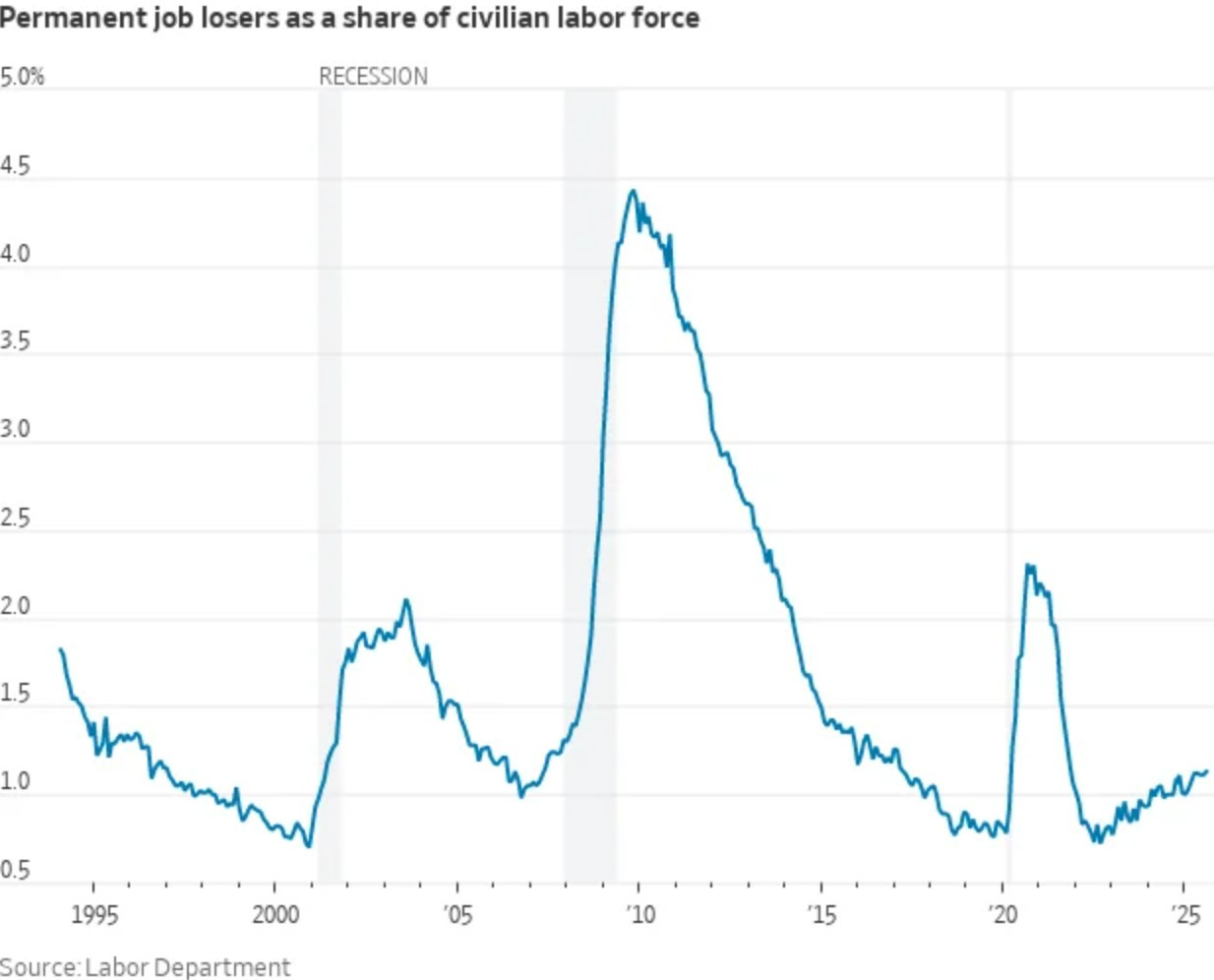
Revisions matter because they change the trend. June’s gain was revised from +14k to −13k, a −27k swing; July was nudged up by 6k. Together the two revisions cut 21,000 jobs from earlier tallies. After revisions, the last three months average roughly 29,000 jobs per month—a pace that signals meaningful cooling versus prior readings.
Sector detail adds texture: education and health care led with +46k jobs, while durable-goods manufacturing lost 19k and business services shed 17k. The mix suggests the slowdown is broad enough to dent aggregate hiring, not confined to one isolated patch of the economy.
How did markets, banks and commentators respond — is the Fed’s path now clearer?
Markets treated the print as decisive. Futures traders moved sharply to price a September rate cut as all but certain. Precious metals rallied—the article noted gold nearing $3,590/oz—and the dollar weakened. Investors repriced risk and yields as the odds of earlier easing rose.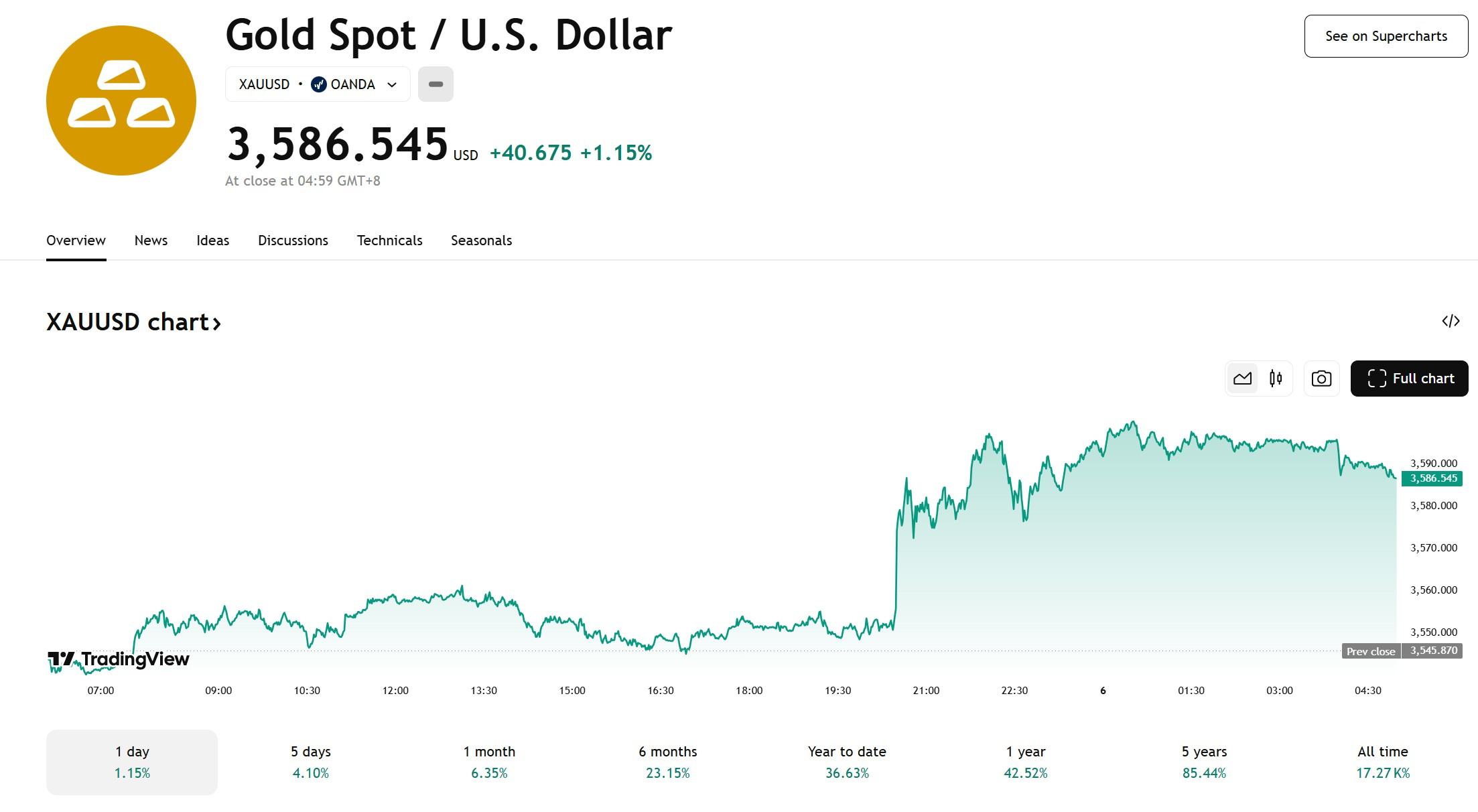
Several major banks pivoted quickly. Bank of America—previously one of the most hawkish on Wall Street—abandoned its “no cuts this year” stance and forecast two cuts in September and December, followed by three 25-bp cuts beginning in June 2026, implying a policy rate target of roughly 3.0%–3.25% by end-2026. That shift reflects how meaningful a compensation the August report was to consensus views.
Analysts offered two broad takes. Some, like Gregory Faranello, argue weaker hiring raises the odds the Fed must ease to support private-sector hiring. Others, like Matt Maley, warned that while markets often cheer an easier Fed, falling yields driven by weak growth can be a negative for equities if the slowdown deepens.
Political noise and official comments matters too. President Trump criticized Chair Powell, saying cuts should have come sooner. White House adviser Kevin Hassett suggested future upward revisions could yet appear—reminding readers that payroll data are revised and the headline is not final.
What should investors and policymakers watch next — will this be a soft landing or a deeper slowdown?
The Fed faces a narrow path. Chair Powell’s recent comment that “the balance of risks appears to be shifting” looks prescient: weaker employment increases pressure to cut, but persistent or rising inflation—potentially amplified by tariff effects—could force a pause. Nick Timiraos and other Fed watchers argue August makes a 25-bp cut in September highly probable, but they stress the following decisions are more fraught.
Key near-term indicators to monitor: upcoming CPI and core inflation prints, the next jobs revisions, weekly initial claims, and private payroll series like ADP. If core inflation reaccelerates, the Fed may pause easing even as employment softens. If inflation stays subdued and hiring weakens further, the Fed is likely to continue easing.
For investors, the sequence matters. An early Fed pivot that stabilizes hiring without re-igniting inflation should be asset-friendly. But easier policy that reflects an economy losing momentum can presage weaker earnings and pressure risk assets. History shows markets often rally briefly on easier policy only to test fundamentals after growth signals soften.
Final word: is this a turning point or a temporary wobble?
August’s payrolls are more than a headline miss. The combination of a low payroll print, a rising unemployment rate, and downward revisions signals a meaningful cool-off in labor demand. Markets have repriced the Fed’s path, and major institutions—most notably Bank of America—have updated forecasts accordingly.
Whether this marks a durable shift toward slower growth or a temporary blip depends on the next few data points: inflation readings, further payroll revisions, and real-time labor indicators. For now, investors and policymakers are treating August as a turning point. The coming weeks will show whether it’s the start of a longer slowdown or the final stumble before stabilization.