
Power Play at the Fed: Who’s Trump Quietly Backing for Chair?

President Trump has dramatically narrowed the field of potential Federal Reserve chair successors to a handful of names — prominently Kevin Hassett, Kevin Warsh and Fed Governor Christopher Waller — while the White House and Treasury prepare interviews for as many as 11 candidates.

The scramble has accelerated amid recent personnel moves: a surprise resignation by Fed Governor Adriana Kugler, mounting legal and political attacks on Governor Lisa Cook, and a fast-moving confirmation process for new nominees.
Markets and observers are now wrestling with one central question: will the next Fed chair be a Trump loyalist who hastens policy easing, or a steadier hand that preserves central-bank independence?
Key Points
- Trump said the Fed chair shortlist has been cut to three (possibly four): Kevin Hassett, Kevin Warsh, Christopher Waller.
- Treasury official Bessent publicly said he does not want the Fed chair role.
- White House plans to interview up to 11 candidates; interviews began in early September.
- Former Fed official Adriana Kugler resigned unexpectedly in August; her seat opening speeds appointments.
- Trump recently removed a Fed governor and pressured officials publicly, intensifying concerns about Fed independence.
- Stephen Miran (White House nominee) faced Senate Banking Committee hearings on Sept. 4; his confirmation could shift board dynamics.
- There are active legal and political fights: attacks on Lisa Cook over property records, and a criminal referral filed alleging mortgage fraud by William Pulte.
- The candidate list blends policy technocrats, ex-officials, and Wall Street figures, signaling competing visions for rates, regulation and crypto.
Who’s actually on the shortlist — and why does each name matter?
Trump named Hassett, Warsh, and Waller as top contenders—remarkable given their different backgrounds.
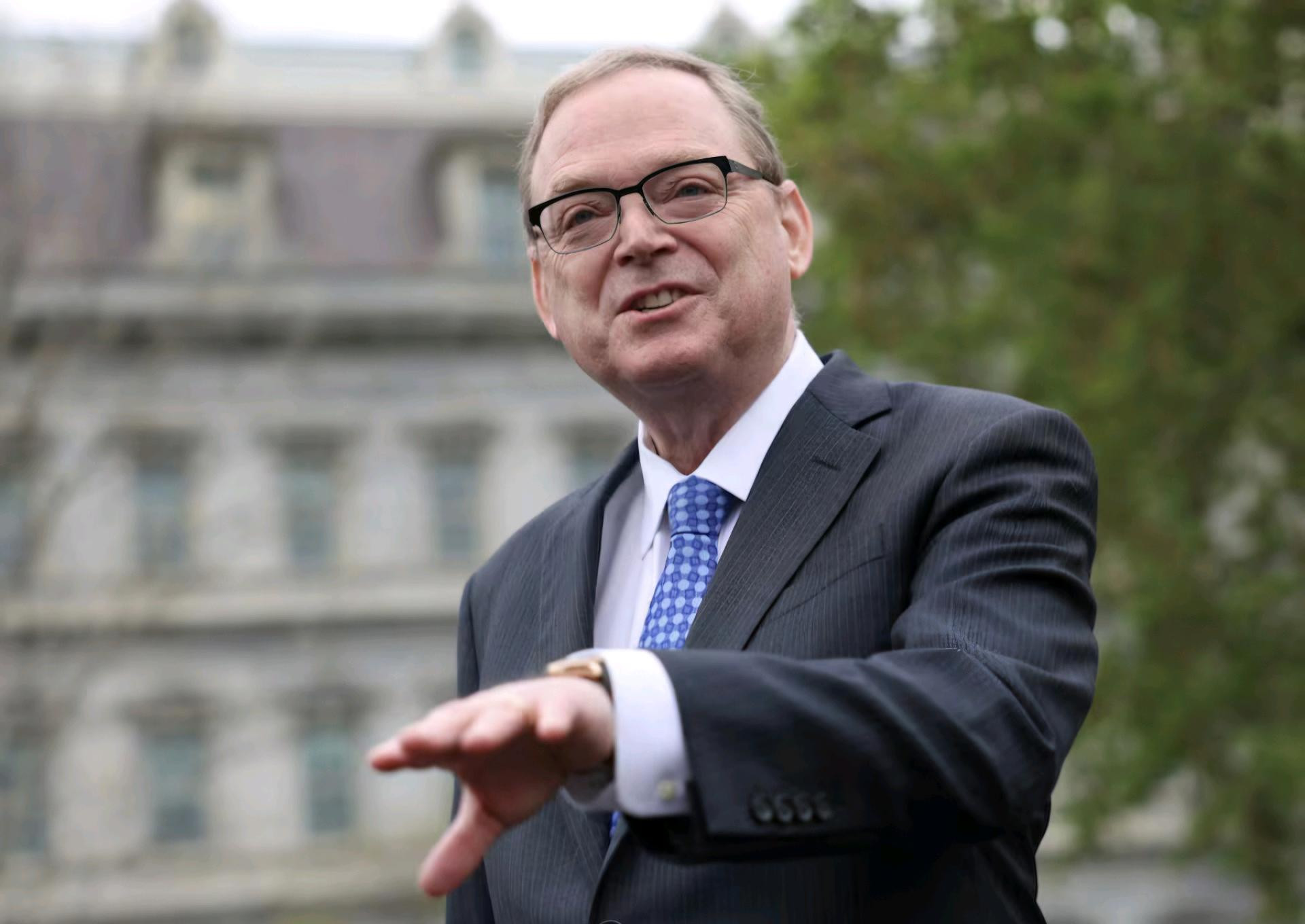
Hassett, the White House NEC director, is Trump’s trusted economic adviser and a political insider who has repeatedly backed the president’s agenda. Warsh is a former Fed governor with deep Washington and policy ties. Waller is a current Fed governor known for data-driven positions and vocal support for earlier rate cuts.
Beyond the top three, the broader 11-person interview roster includes a wide range: establishment figures, regional Fed veterans, ex-governors, and Wall Street heavyweights. Names circulating include Michelle Bowman, Philip Jefferson, Lorie Logan, James Bullard, Marc Sumerlin, Larry Lindsey, David Zervos and Rick Rieder. That mix signals a real contest between continuity, activism, and market-oriented leadership.
What’s at stake — independence, inflation, and crypto policy?
A Fed chair is not just a rate-setter; the choice shapes regulatory and market frameworks. Observers note that Waller brings a methodical, institutional approach and has spoken systematically about stablecoins and payment innovation.
By contrast, Hassett’s candidacy raises questions about political alignment: he has been a consistent Trump ally, and his potential elevation would intensify debate over whether the Fed can remain insulated from White House priorities.
Wall Street candidates like Rieder and Zervos bring deep market experience and crypto connections; their selection might tilt policy toward closer engagement with private-sector payment innovations. Whatever the outcome, the new chair will influence both the Fed’s monetary path and its stance on payment-system regulation and digital assets.
How fast is this all moving — what’s the process and timeline?
According to the White House, Treasury has initiated interviews and will conduct a week-long session beginning in early September.
Trump has publicly suggested the list is already down to “three or four” names, though he has also signaled openness to adding others. Powell’s current chair term runs through May 2026, but personnel shifts and public pressure have accelerated the succession conversation.
If nominees clear White House vetting, the Senate confirmation clock starts. The administration has already advanced Stephen Miran to a Senate Banking Committee hearing (Sept. 4), positioning potential allies to secure board majorities.
Faster confirmations would give the president more influence over policy direction well before Powell’s term ends.
Why are resignations and court fights complicating the landscape?
Adriana Kugler’s sudden resignation on Aug. 1 — months before her term expired — created an unexpected vacancy and added urgency to the White House’s search. Kugler said she intended to return to academia; officials and observers noted the abrupt move raised questions given its timing.
Simultaneously, the administration has launched legal and political attacks that put additional pressure on the Fed’s governing structure. Allegations concerning Lisa Cook’s property records prompted a criminal referral and a public move by the president to seek her removal.
These political maneuvers and public targeting of governors feed concerns that personnel decisions are being used as levers in a broader contest for monetary control.
How are markets and institutions reading this — policy uncertainty or policy shift?
Market participants are watching for signs the Fed’s leadership will shift toward a more aggressive rate-cutting stance. Trump’s repeated criticism that Powell has been “too late” in easing rates, plus his firing of a Fed governor earlier this year, left investors attentive to any signals of a politically aligned successor.
Banks and institutional investors see a split: some candidates favor quicker easing, others favor stability and gradual policy adjustments.
The composition of the candidate pool — technocrats, Fed insiders, and Wall Street chiefs — leaves open many possible outcomes. Each path carries trade-offs: a politically aligned chair could push faster easing but risk credibility; a market-savvy chair might favor smoother communications and stronger ties with private capital markets.
What are the legal and political ripple effects inside the Fed?
If nominees like Miran gain Senate approval and if Trump successfully fills multiple board seats, the balance of power at the Fed could tilt toward presidential appointees. That would affect vote dynamics on rate decisions and regulatory stances.
The administration’s strategy—nominate allies, accelerate hearings, and pursue vacancies—appears designed to secure influence quickly.
But political fights also carry risks. Targeting sitting governors publicly and pursuing legal claims against them can erode public trust in the Fed’s independence. That loss of credibility could have broader consequences for dollar markets, risk premiums, and global investor confidence.
Final take: is the Fed becoming a political prize — or still a policy anchor?
The accelerated shortlist, surprise resignations, and public pressure on governors have turned the Fed succession into a high-stakes political contest. Trump’s public endorsement of Hassett, and his naming of Warsh and Waller as leading contenders, put a spotlight on whether the next chair will be a trusted insider or a stabilizing technocrat.
What matters next is whether the White House follows through with swift confirmations that change the board’s tilt, and how the Senate responds during hearings.
For markets, the key variables remain unchanged: who gets the chair, how they approach inflation versus employment, and whether the Fed maintains enough independence to preserve credibility. Over the coming weeks, both process and politics — not only policy — will determine whether this is a routine succession or a defining shift in U.S. central-bank governance.