
AI Arms Race: Is the Chip Throne Shifting Away from NVIDIA?

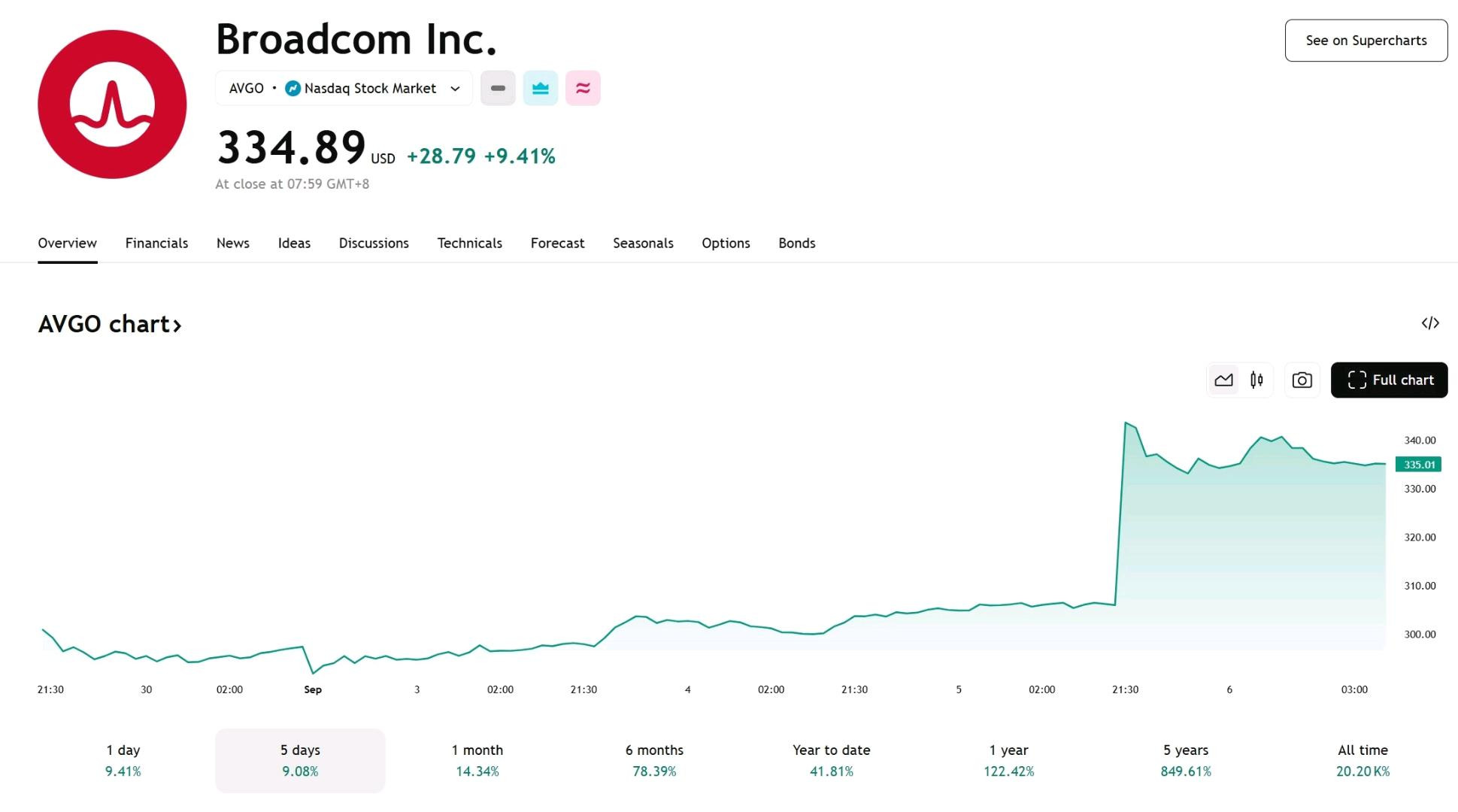
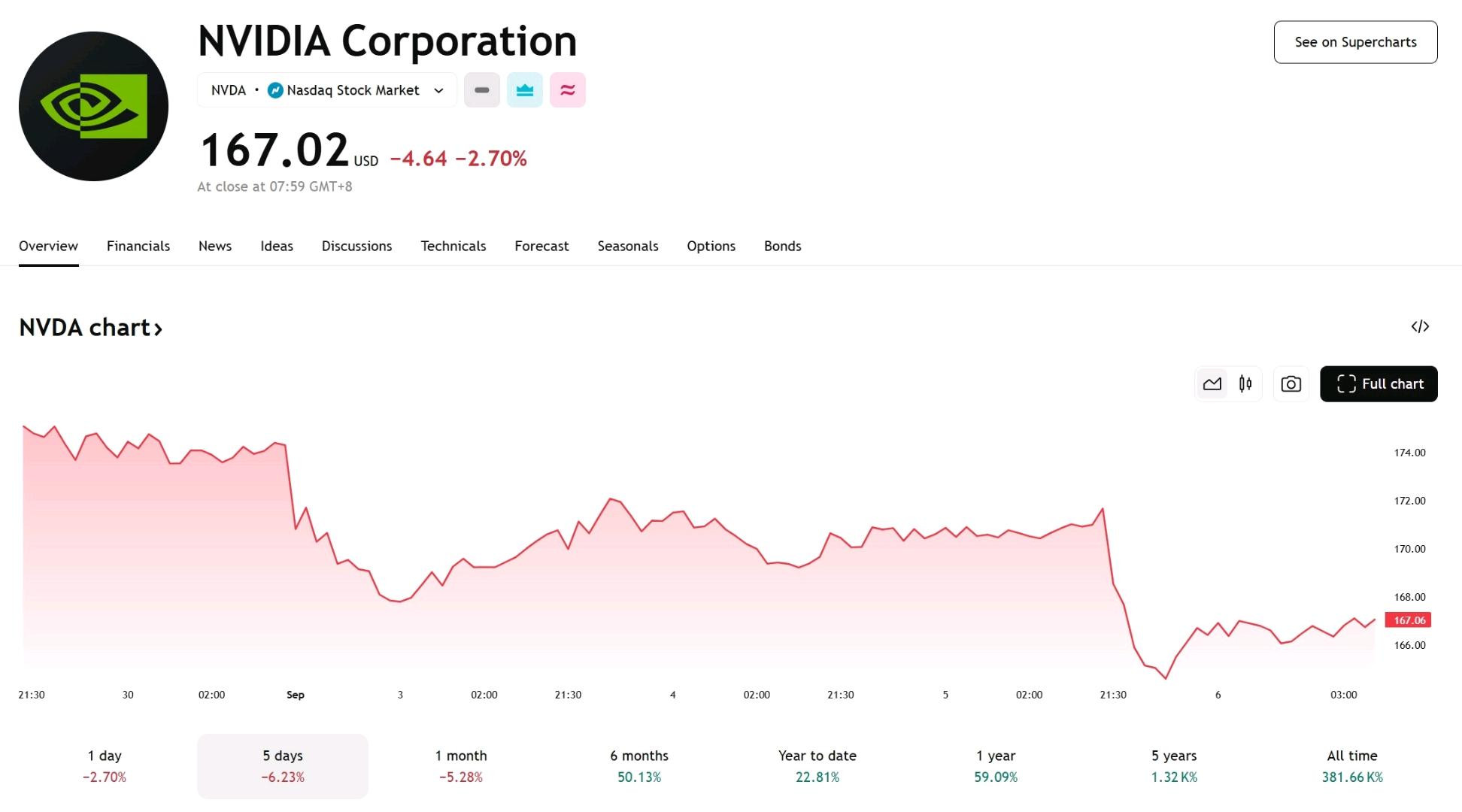
A single report that $AVGO will design an AI chip for OpenAI from 2026 split markets: $AVGO rallied sharply while $NVDA slid, dragging the tech sector lower. That stock action collided with weak U.S. jobs data and a wave of novel financing for AI infrastructure, turning a company rumor into a broader re-pricing of competition, macro risk and credit exposure.
Key Points
- $AVGO jumped ~9.4% on reports of an OpenAI chip tie-up; $NVDA fell ~2.7%.
- $AMD and $MSFT also pulled back as competition fears spread.
- Weak August payrolls reinforced Fed-cut bets and recession worries.
- Big Tech now uses JVs, syndicated loans and backstops to fund AI data centers.
- Main risks: overheating, tenant concentration, and elevated leverage at operators.
What triggered the split — rumor, macro, or both?
A report that $AVGO will partner with OpenAI from 2026 was the proximate shock. Investors read it as a sign that $NVDA ’s dominance in AI silicon could face meaningful challenge. $AVGO ’s surge and $NVDA ’s pullback reflected a rotation betting on shifted market share rather than fundamental earnings news.
At the same time, weak U.S. payrolls added a macro overlay. Softer jobs data tightened the narrative: easier Fed policy may support risk assets, yet slowing growth raises the odds of weaker earnings. That ambivalence amplified sensitivity to single-company news and turned a chip rumor into a marketwide move.
How are Big Tech funding the AI build-out — who bears the credit risk?
Three financing models dominate the new playbook: joint ventures, syndicated loans, and backstop guarantees.
$META used a JV for its Hyperion data-center project, combining private-equity equity with large syndicated debt. Oracle locked in tenant commitments backed by major banks to fund a huge Vantage project. Google offered contingent backstops tied to leases, taking equity stakes in counterparties.
These structures let tech firms limit near-term balance-sheet investment while shifting project risk to banks, insurers, private-credit funds and bond buyers. That distribution can unlock scale, but it also concentrates exposure in creditor markets and creates contingent liabilities that crystallize under stress.
What are the main risks — overheating, concentration, or leverage?
Overheating: abundant private capital and aggressive funding terms can produce a project boom that outstrips sustainable demand. Private-credit inflows may mask long-tail risks and push prices higher than fundamentals justify.

Concentration: a few giant tenants anchor many data centers. If a major tech firm cuts spending or changes strategy, vacancy and cash-flow shocks could be abrupt and severe for highly leveraged projects.
Leverage: some operators already show elevated debt ratios. Ratings agencies have flagged select providers for high leverage, warning downgrades could follow absent deleveraging or stronger cash conversion.
How should investors position — rotate, hedge, or sit tight?
Short-term, stock reactions will favor perceived winners and punish incumbents facing disruption. But the macro overlay argues for caution: Fed easing expectations can buoy markets, yet deteriorating growth undermines earnings.
Investors should monitor tenant commitment schedules, data-center financing terms, and ratings-agency commentary on leverage. Hedging cyclical exposure and limiting concentration risk are prudent.
Fixed-income and private-credit investors should stress-test covenant protections and backstop triggers. Equity holders ought to weigh competition risk to profit margins and the potential for credit stress to spill into valuations.
Final take — is the AI arms race creating new systemic weak points?
The AI build-out has spawned a new financial plumbing: rapid silicon competition can reorder market leadership quickly, while financing innovations push big risks into creditor markets.
Joint ventures, syndicated debt and contingent backstops enable scale but create concentrated, interdependent exposures. The next major upset could be technological, economic, or credit-driven. For now, watch chips, jobs data, CPI, and the headline AI financing deals that reveal who ultimately bears the downside.