
Who Holds the Trade Levers?: Can the Courts Undo Trump’s Tariff Strategy?

A federal appeals court has concluded that most of President Trump’s sweeping tariffs exceeded statutory authority, but the ruling is paused until October 14 so the administration can seek Supreme Court review.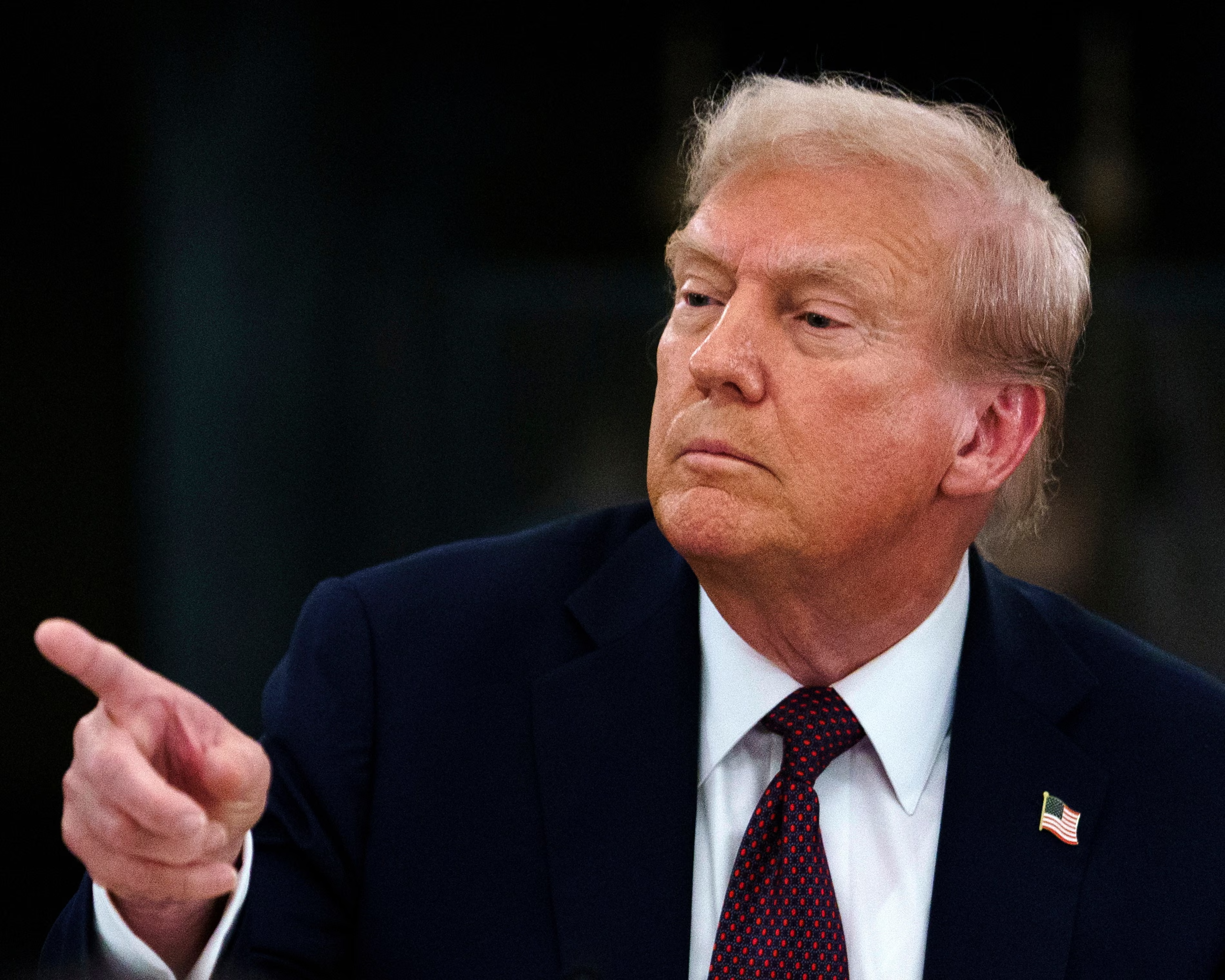
If the Supreme Court declines to intervene before that date, the appeals court decision would take effect — yet the White House already has legal “workarounds” it can deploy, and a separate $550-billion U.S.–Japan investment pact complicates the economic picture.
Key Takeaways
- On August 29 a federal appeals panel found most IEEPA-based tariffs unlawful; the court stayed its order through Oct. 14 to permit a Supreme Court appeal.
- The White House filed an expedited petition to the Supreme Court; if the high court does not accept it by Oct. 14, the appeals ruling will become effective.
- Parallel appellate hearings could create circuit splits: the Ninth Circuit will hear arguments on Sept. 17 and the D.C. Circuit on Sept. 30. Those dates raise pressure on the Supreme Court to act.
- Even if IEEPA tariffs are struck down, the administration can pivot to other trade statutes (e.g., Sec. 232, Sec. 122, Sec. 338, Sec. 301) to preserve tariffs on strategic sectors.
- A related U.S.–Japan memorandum calls for a roughly $550 billion Japanese investment into U.S. strategic projects — governed largely by U.S. structures, with a “50/50 until return of principal, then 90/10” profit split.
What happened — and why it matters
On August 29, a full federal appeals court panel concluded that the International Emergency Economic Powers Act (IEEPA) does not authorize the president to impose broad tariffs.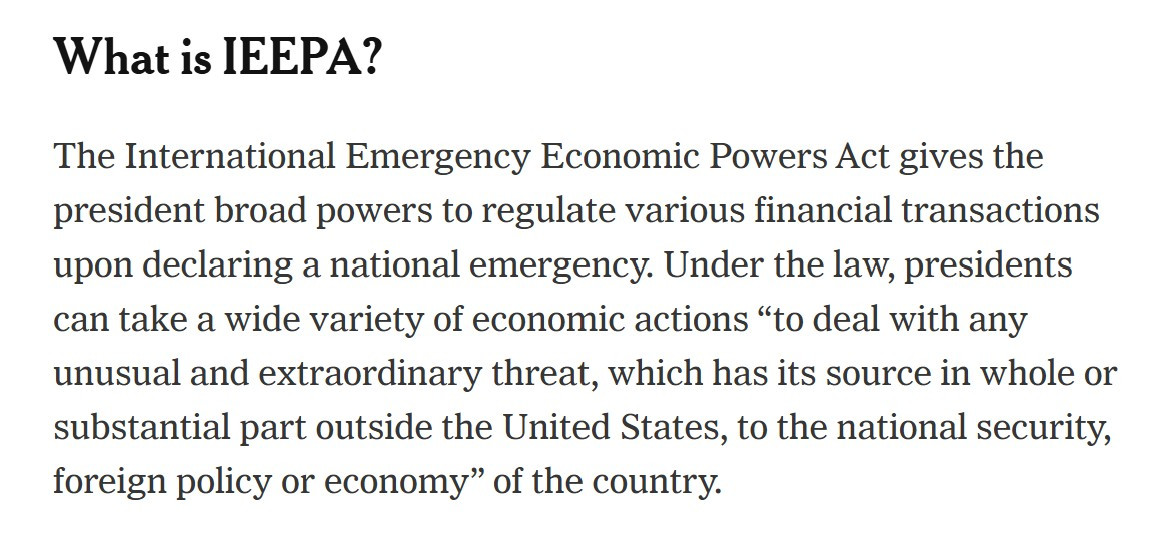
The court nevertheless stayed its mandate until October 14, giving the administration time to petition the Supreme Court. If the high court declines the appeal or is not ready by then, the IEEPA-based levies addressed in the opinion would lapse.
That ruling cuts to the constitutional core: who gets to set trade policy — the president, or Congress (and by delegation, specific trade statutes)? The decision is a stark judicial rebuke of a central administration tool, with far-reaching consequences for trade leverage, Treasury revenue, and supply-chain planning.
The clock everyone is watching: why October 14 matters
The appeals court gave an explicit deadline — October 14 — to preserve an orderly path to the Supreme Court.
If the Supreme Court does not grant review or otherwise pause the ruling by then, the appeals court judgment becomes effective and the IEEPA tariffs named in the opinion would cease.
That is why both lawyers and markets are tracking whether the high court will take the case and on what timetable.
At the same time, two other circuit courts are due to hear related IEEPA appeals in September — the Ninth Circuit on Sept. 17 and the D.C. Circuit on Sept. 30 — creating the risk of conflicting appellate rulings that would make Supreme Court intervention far more likely.
The administration’s “B-plan”: laws that can restore tariff pressure
If the IEEPA route collapses, the White House is not without options. Analysts and officials point to statutes that explicitly confer trade powers or investigate unfair practices: Section 232 (national security tariffs), Section 122 (emergency 15% tariff for up to 150 days), Section 338 (retaliatory duties after certain investigations), and Section 301 (remedies for unfair trade practices).
Using those tools, the administration could preserve tariffs focused on steel, semiconductors, EV batteries and pharmaceuticals — albeit with different legal and political costs.
Each pathway has constraints: some require investigations, others hinge on national-security findings, and congressional or trade-law processes may be slower or more limited in scope than the blunt IEEPA orders were. Still, these statutes give the executive branch avenues to maintain leverage even if IEEPA authority is curtailed.
The U.S.–Japan package: investment as leverage — how it works
Parallel to the court fight, Washington and Tokyo have signed a memorandum that asks Japan to channel roughly $550 billion into U.S. strategic projects.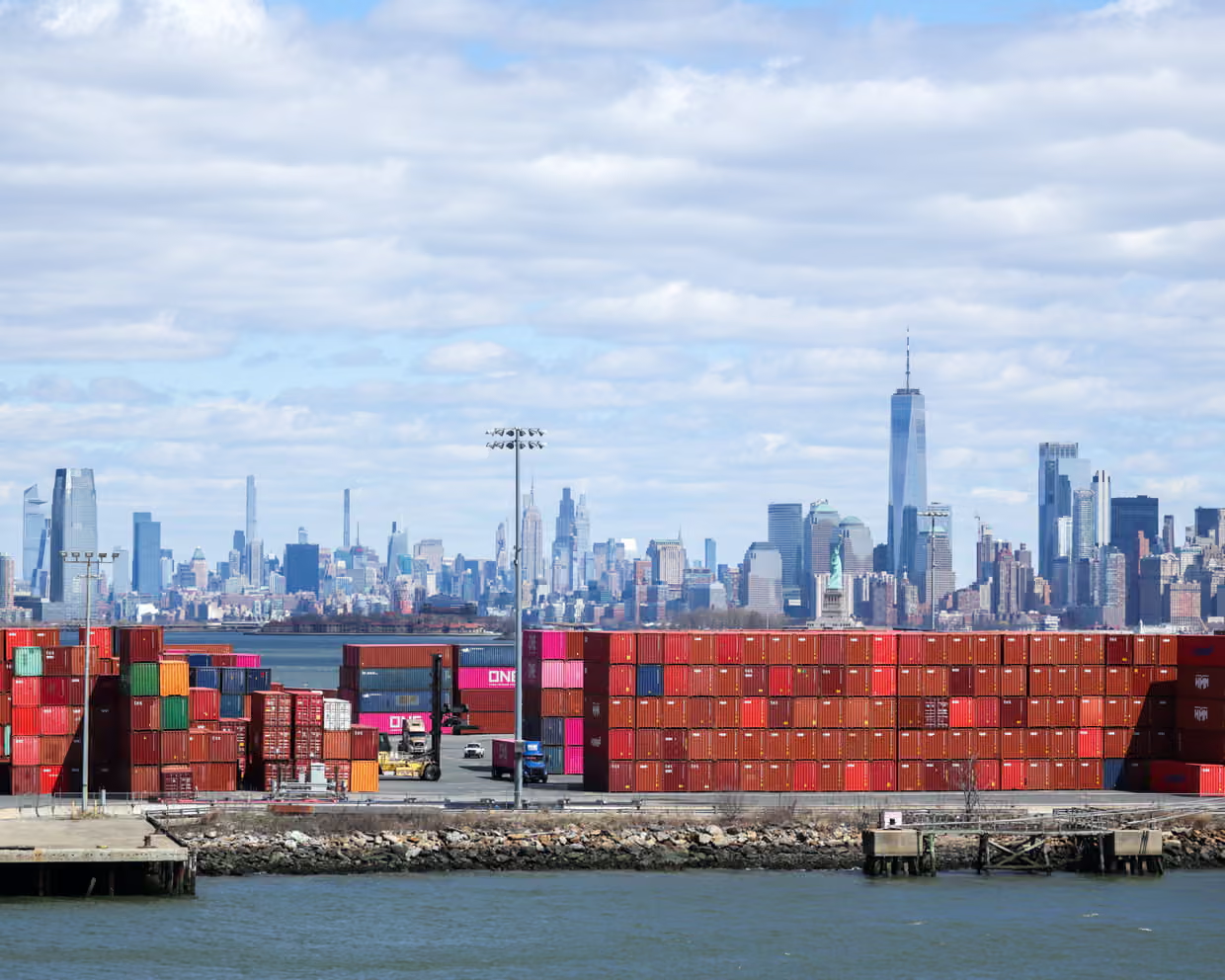
The MOU establishes U.S.-led governance: an investment committee chaired by the Commerce Department, a U.S. “Investment Accelerator” office to run projects, and special purpose vehicles (SPVs) overseen by U.S. designees.
Japan is to respond to U.S. project proposals within a fixed window and to provide funds so projects move forward.
The profit rule is striking: projects split profits 50/50 until Japan recoups its principal; thereafter, the U.S. receives 90% of profits and Japan 10%. The MOU also ties compliance to tariffs: Tokyo’s refusal to fund proposed projects could trigger U.S. tariff responses. That structure concentrates decision and enforcement power on the U.S. side.
Who stands to win — and who loses
A ruling that restricts presidential tariff authority would be welcomed by major retailers and import-heavy sectors — think big chains and distributors — because lower or more predictable tariffs reduce input costs and price volatility. Exporters in countries hit hard by high levies, such as parts of ASEAN, Brazil and India, also stand to benefit.
On the flip side, U.S. Treasury finances could feel the strain. Tariff revenues are substantial; any sudden reversal might widen fiscal deficits and complicate debt markets.
Strategic industries such as semiconductors, EV supply chains and domestic steelmakers could still face targeted tariffs if the administration leans on alternative statutes, keeping uncertainty high across supply chains and shipping.
What to watch next
- Sept. 17: Ninth Circuit oral arguments on IEEPA appeals.
- Sept. 30: D.C. Circuit hearing that could create a circuit split.
- Oct. 14: Court stay expires — the date that could make the Federal Circuit’s opinion operative if the Supreme Court does nothing.
- Supreme Court: whether it grants certiorari; an early acceptance would reframe the dispute and likely produce a final ruling in the Court’s 2025–26 term.
Bottom line: law, leverage and a fragile détente
The federal appeals ruling sharply limits the IEEPA route for tariffs — a judicial check on expansive executive power. But the decision does not erase trade tensions. The White House’s appeal to the Supreme Court, concurrent circuit court schedules, and statutory alternatives mean the dispute is far from over.
Meanwhile, the U.S.–Japan investment framework ties diplomacy, capital and commercial leverage together in ways that can reshape supply-chain incentives — and leaves Japan shouldering a large financing role under terms that favor U.S. control. Markets and policymakers should prepare for legal fireworks and policy improvisation in the months ahead.