
Markets at the Crossroads: Is the Dollar About to Break While Stocks and Gold Rally?

After a turbulent week of mixed macro data and headline-driven swings, Goldman Sachs’ top trading team remains firmly positioned: short the U.S. dollar; long U.S. equities; and overweight “stores of value,” led by gold.
The bank also urges investors to broaden portfolios into commodities as a diversification and tail-risk hedge, keeping an aggressive gold price outlook into 2026 and beyond. At the same time, Goldman warns of a material downside scenario for equities if AI capital spending collapses — but regards that as a low-probability outcome.
Key Points
- Goldman’s Tony Pasquariello reiterated three core trades: long U.S. equities, short the dollar, and long stores of value, especially gold.
- Stress scenario: $SPX could drop 15–20% if AI capex and growth expectations revert to 2022 levels; Goldman views this as unlikely.
- Commodities — gold, copper and U.S. gas — are recommended for portfolio diversification and tail-risk hedging.
- Targets: gold $3,700 by end-2025, $4,000 mid-2026; copper demand strong through 2027; oil faces near-term oversupply risk into 2026.
What happened this week — and why traders aren’t changing course
Markets endured a “roller-coaster” week of conflicting signals: consumer and labor data showed signs of softening, yet many corporates and tech names still displayed strength. Goldman’s message was simple: volatility and uncertainty don’t yet dislodge the macro view underpinning its active trades.
Tony Pasquariello told clients that while headline data muddled clarity on the true growth path, his team still sees the dollar vulnerable and U.S. equities attractive.
The bank’s internal AI breadth indicator showed recent cooling among early AI leaders, but other tech giants continued to hit new highs — a split that supports selective equity exposure rather than blanket risk-off.
“So what’s the risk?”: The stress case that keeps traders honest
Goldman lays out a credible stress scenario: if hyperscaler AI capital expenditures and growth expectations retract to 2022 norms, $SPX could suffer a 15–20% drawdown. That’s a stark downside, but the firm judges it not the base case.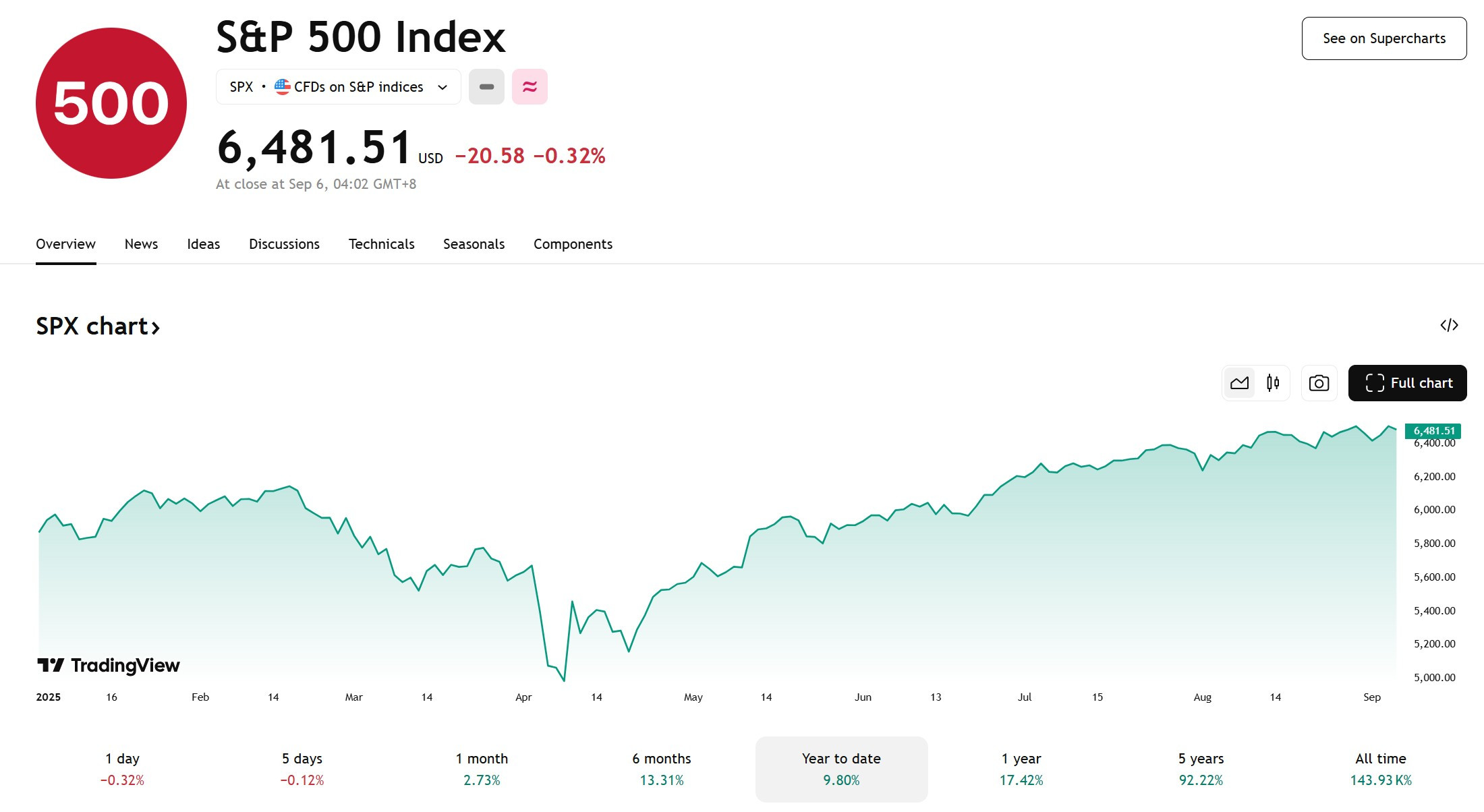
Why keep that scenario on the table? Because it’s precisely the kind of concentrated, sentiment-driven reversal that would expose highly valued, AI-linked leaders.
Goldman therefore recommends investors stay long equities but use tactical hedges to protect against technical deterioration and headline risk.
Why be short the dollar?: The technical and thematic case
Goldman’s traders argue the dollar sits on a technical fulcrum — a long-run trendline that, if breached, could accelerate the move lower.
Beyond charts, the bank’s thematic logic leans on three structural dynamics: shifting reserve behavior by central banks, commodity-driven inflationary pressures, and policy risk that could dent confidence in the dollar’s safe-haven status.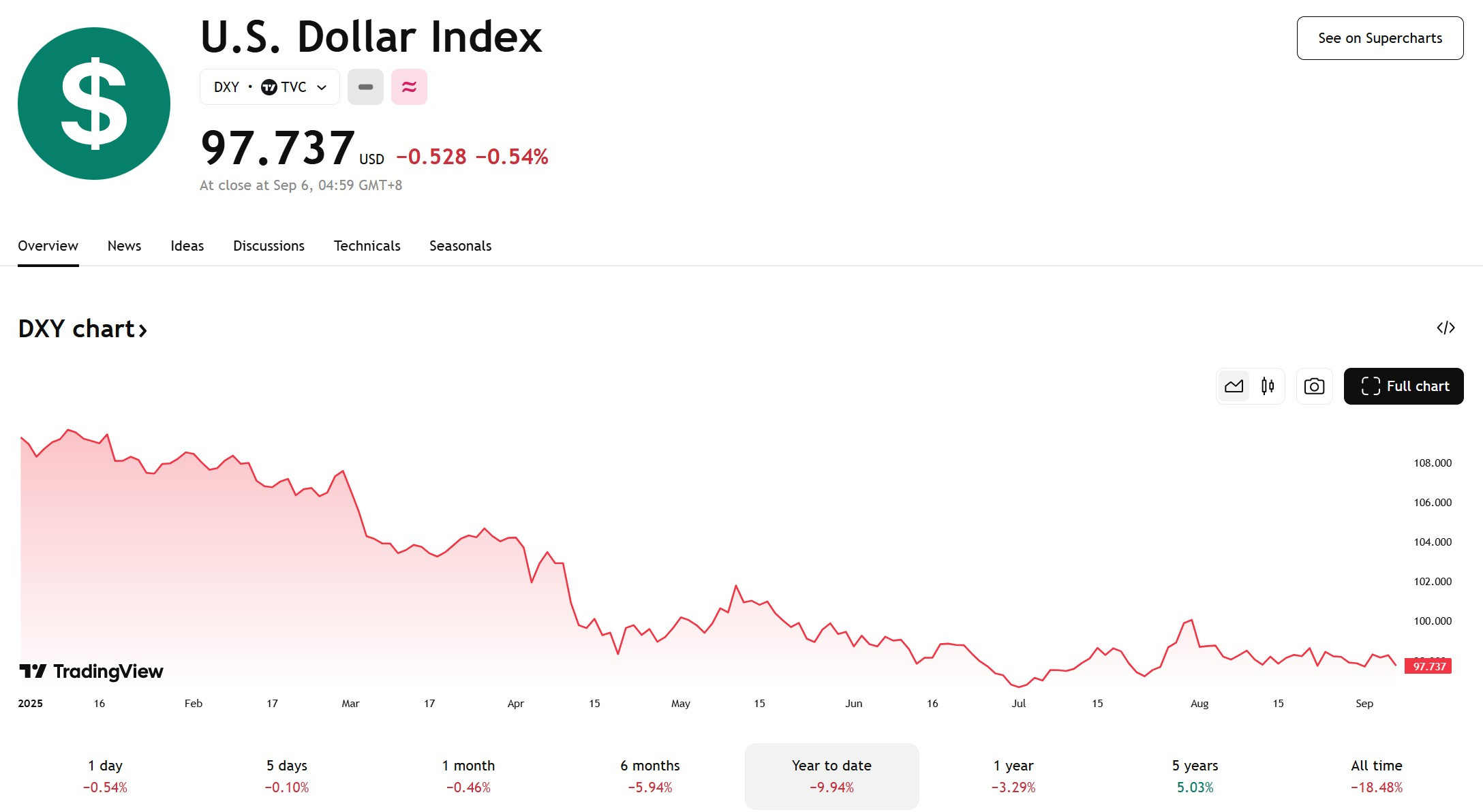
In short: a compromised dollar would amplify gold’s appeal and make commodities more attractive as real assets and store-of-value allocations.
Gold: the “highest-conviction” trade — how far could it go?
Gold is the centerpiece of Goldman’s commodities case. The bank keeps a bullish glide path: $3,700/oz by the end of 2025 and $4,000/oz by mid-2026. In extreme dislocations — including broad institutional flows into gold — prices could surge above $4,500/oz.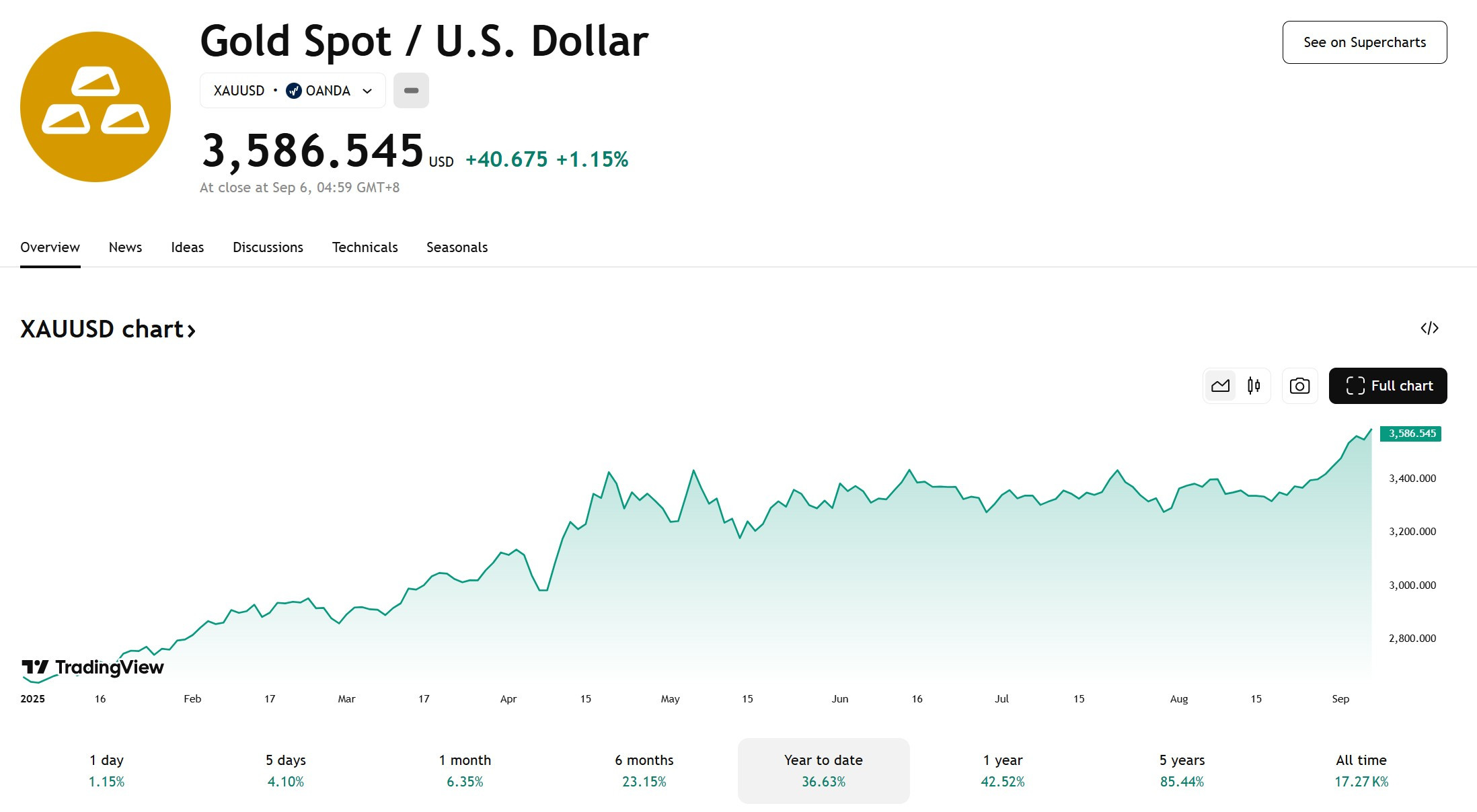
Gold’s bull case rests on three pillars. First, central-bank purchases have been exceptionally strong since 2022, creating a structural institutional bid. Second, any perceived erosion in Fed independence or dollar dominance would send investors toward non-sovereign stores of value. Third, macro tail risks and supply-side rigidity in some commodity markets raise the utility of gold as a hedge.
Gold is therefore not just a trade for Goldman; it’s positioned as a portfolio insurance asset whose role would grow if institutional and retail flows amplify.
Commodities beyond gold: copper, gas and oil
Goldman’s call extends beyond bullion. The bank singles out copper and U.S. natural gas as attractive plays — copper for electrification and grid investment, and U.S. gas tied to LNG export ramps.
On copper, Goldman projects notable demand from energy-neutrality investments: grid upgrades and electrification are expected to drive meaningful consumption gains, with a 2027 price projection around $10,750 per ton. For U.S. gas, LNG export economics remain supportive amid global demand growth in some scenarios.
Oil, by contrast, gets a more nuanced view. Goldman expects non-OPEC (ex-U.S.) supply growth to create a temporary glut — roughly 1.8 million barrels per day in 2026 — which could pressure Brent toward about $50/b by late 2026. That means commodity investors should be selective: some resources are poised to benefit structurally, while others face cyclical oversupply.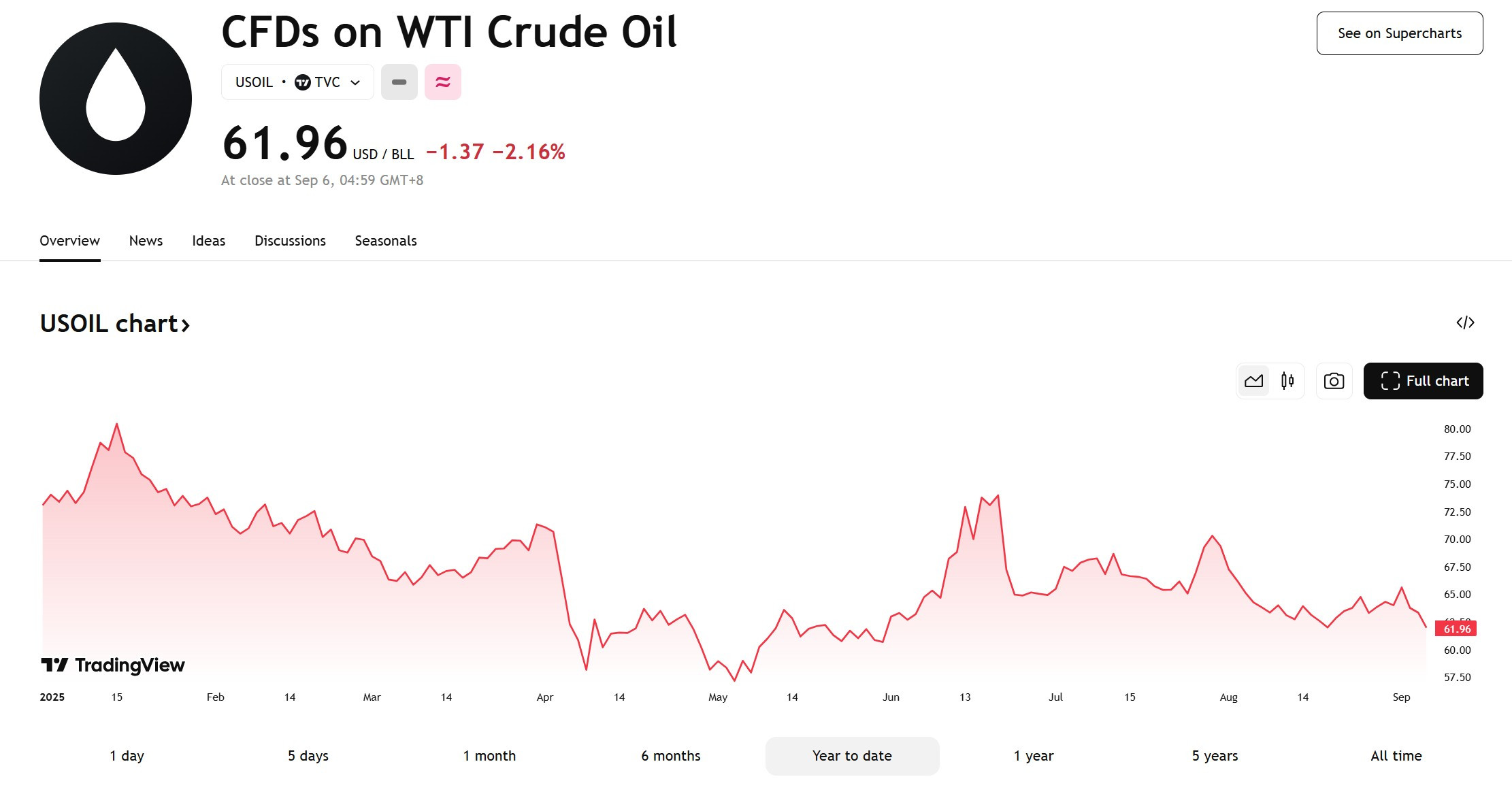
What this means for portfolios: diversification, not speculation
Goldman’s pitch is not a wholesale rotation out of risk but a reshaping of exposures:
1.Keep meaningful exposure to U.S. equities, especially where secular drivers remain intact.
2.Use tactical hedges — options or pairs trades — to manage short-term tech and sentiment risks.
3.Reduce dollar exposure: consider currency strategies or dollar-sensitive assets that benefit from a softer greenback.
4.Add commodities — gold as the core, copper and U.S. gas for structural plays — to diversify against inflation and tail risks.
In effect, the bank recommends pairing traditional growth exposures with real assets that protect purchasing power and hedge systemic risk.
The structural “3D” thesis: de-risking energy, defense, and de-dollarization
Goldman highlights three structural trends that are tightening commodity markets:
De-risking energy — Countries are reshaping energy supply chains for security, boosting investment in grids and copper-intensive infrastructure.
Defense spending — Rising military budgets in Europe and elsewhere lift demand for industrial metals and equipment.
Dollar diversification — Central banks’ heavier purchases of gold and moves to diversify reserves lower the marginal utility of dollar-denominated assets.
Together, these dynamics support a multi-year backdrop where selective commodity exposures can act both as hedges and return drivers.
Practical cautions: why the call isn’t reckless
Goldman couples conviction with caution. The bank’s baseline still assumes modest commodity returns over the coming 12 months, not a runaway boom. Its gold targets are firm but come with explicit tail scenarios rather than unconditional guarantees. The oil call is explicitly conditional on supply dynamics through 2026.
Moreover, Goldman stresses that market technicals are shaky; investors should expect sharp intraday moves and use risk controls — stop losses, defined hedges, and position sizing — to manage the path risk beneath the conviction.
Who stands to win and who should watch out
Winners in Goldman’s view include long-duration beneficiaries of AI and productivity that survive any dispersion in leadership, commodity producers exposed to copper and gold, and investors who allocate to diversified stores of value ahead of policy or geopolitical shocks.
At-risk groups include investors heavily concentrated in the most richly valued AI darlings should capex reverse; holders of long-duration Treasuries if inflation surprises to the upside; and dollar-heavy portfolios that don’t hedge currency exposure.
The bottom line: positioning for both growth and shock
Goldman’s message is a balance of offense and defense. Keep exposure to U.S. equities for the secular growth story, but marry that with real-asset insurance: gold at the core, select industrial metals and energy plays for structural demand, and short-dollar positions for currency diversification.
Markets may have been shaken this week, but Goldman’s top traders are betting the long-term map still favors equities plus stores of value. The path will be bumpy; success hinges on disciplined hedging, selective exposure, and an eye on the structural trends tightening supply and reshaping reserve behavior.