
Japan PM Resignation Triggers Chain Reaction! Analysts: Japanese Bonds Under Pressure, Rate Hike Path Grows Tougher

On Sunday local time, Japanese Prime Minister Shigeru Ishiba publicly announced his resignation. This suggests that Japan, the world’s fourth-largest economy, may enter a prolonged period of policy paralysis.
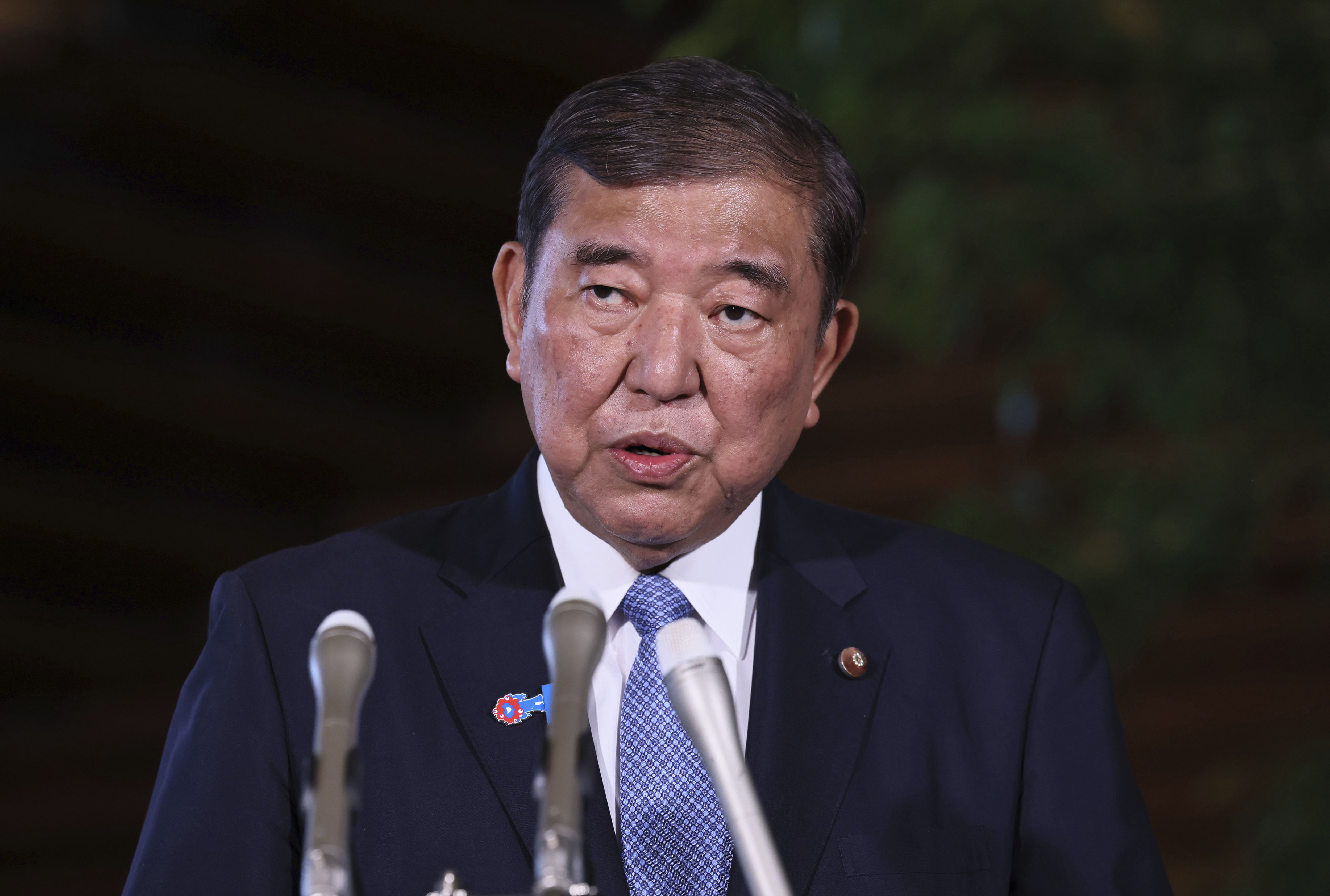
Following Ishiba’s resignation, the Liberal Democratic Party (LDP) is expected to quickly initiate an internal leadership election. Prominent contenders for the role include former Economic Security Minister Sanae Takaichi, Agriculture, Forestry and Fisheries Minister Shinjiro Koizumi, and Chief Cabinet Secretary Yoshimasa Hayashi.
Regarding the market outlook after Ishiba’s resignation, many market analysts have offered similar assessments: While his departure was not entirely unexpected, the potential successors are likely to adopt more expansionary fiscal policies. This could place greater pressure on Japanese long-term government bonds and the yen, while making the Bank of Japan’s path to rate hikes increasingly challenging.
Marchel Alexandrovich, Economist at SALTMARSH, London:
“The focus for markets will be on the trajectory of bond yields. But this is what we’re seeing elsewhere in the world—a toxic mix of fiscal policy uncertainty and high levels of government debt, as we’ve observed in France.”
Michael Brown, Senior Research Strategist at PEPPERSTONE, London:
“I don’t think we can call (Ishiba’s) resignation a complete surprise, as it’s been a topic of discussion for some time, though the timing was certainly unexpected. As for market reactions, this will clearly pose significant downside risks to (the yen) and long-term (Japanese government bonds).
“The selling pressure might initially come from the market itself. Markets will need to price in greater political risk, not just the leadership contest within the LDP, but also the possibility of a general election if the new leader seeks a prime ministerial mandate.
“There’s also a fiscal angle to consider, as the leading candidates for prime minister are likely to propose more expansionary fiscal stances than Ishiba, further pressuring demand for long-term bonds, which has already declined significantly.
“For (the Bank of Japan), all this political uncertainty could further delay the tightening cycle. Previously, policymakers had adopted a very cautious approach to rate hikes, and with rising political uncertainty, they are even more likely to maintain that stance.”
Rong Ren Goh, Portfolio Manager at EASTSPRING INVESTMENTS, Singapore:
“Before Ishiba’s resignation, other senior members of his party had already stepped down, so in some ways, (his resignation) wasn’t entirely unexpected.
“As for the impact on Japanese bonds and the yen, market participants seem more concerned that the Bank of Japan might fall behind the curve. This could draw attention to the upcoming monetary policy meetings in September and October, which will set the tone for Japanese bonds and the yen. In my view, fiscal uncertainty is a secondary concern.”
Katsutoshi Inadome, Senior Strategist at Sumitomo Mitsui Trust Asset Management:
“Ultra-long bond yields may rise due to Ishiba’s resignation, as he previously maintained strict fiscal discipline. With fiscal uncertainty, there has been ongoing upward pressure on ultra-long bond yields, and this pressure is likely to increase.”
Takamasa Ikeda, Senior Portfolio Manager at GCI Asset Management, Tokyo:
“The market has already digested the news of his resignation, so the key question now is: Who will succeed him?
“If Sanae Takaichi becomes (Ishiba’s) successor, it would be positive for (Japan’s) stock market, as she favors increasing government spending.”
Saktiandi Supaat, Regional Head of FX Research and Strategy at Maybank Global Markets, Singapore:
“Ishiba’s resignation could trigger volatility in some Japanese bonds, but the sustained movement of USD/JPY will depend more on policy divergences between the Federal Reserve and the Bank of Japan, rather than domestic politics.”