
Markets Brace for Intervention: Hartnett’s Case for Yield-Curve Control

Bank of America strategist Michael Hartnett warns that recent institutional flows into gold, bonds and crypto reflect more than risk-off hedging: markets are increasingly pricing an explicit policy backstop such as yield-curve control (YCC).
With sovereign yields at multi-year highs and rising political pressure for pre-election prosperity, Hartnett argues policymakers may opt to defend yields — a move that would re-rate bonds, commodities and cyclical equities.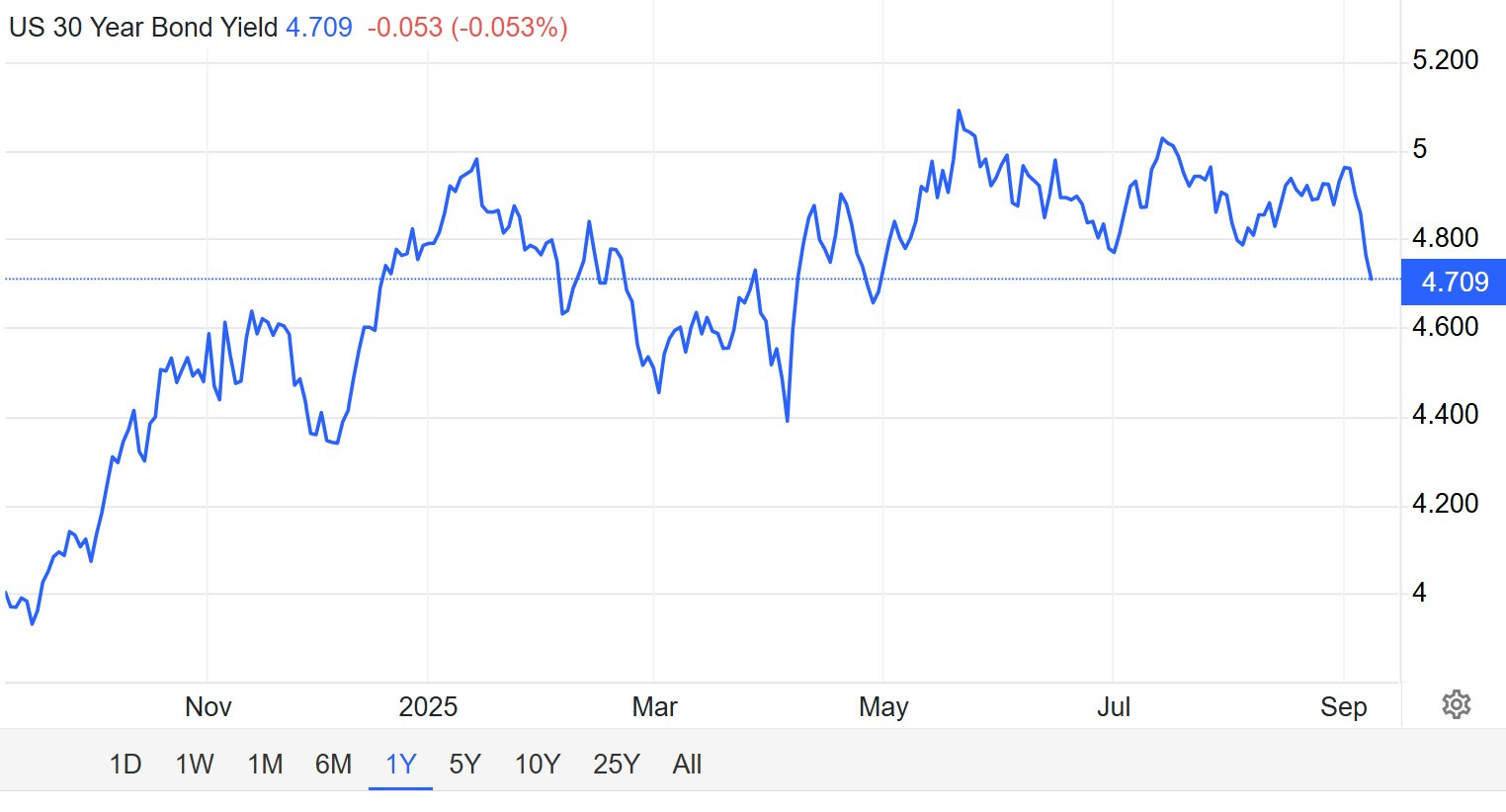
Key Points
- Hartnett likens today’s backdrop to the Nixon era and sees higher odds of pre-election easing.
- A BofA survey finds 54% of managers expect price-support operations (PKO/YCC).
- Long-term yields are at multi-year peaks while credit spreads remain contained (~320 bps).
- Hartnett’s tactical calls: long gold, long high-quality government bonds, and selective small-cap / cyclical exposure.
Why markets are quietly repositioning — the thesis and the setting
Institutional buying of safe havens signals a view that authorities will act, not merely that investors seek shelter. Hartnett argues that rising government borrowing costs combined with political incentives to produce short-term growth elevate the chance of central banks adopting price maintenance.
If policymakers move to cap yields, term premia would compress and long-duration assets could rally quickly.
Global long-term yields have indeed moved sharply. U.K. gilts are near levels last seen in 1998; U.S. 30-year yields are approaching the psychologically important 5% mark; France and Japan’s long yields are at multi-year peaks.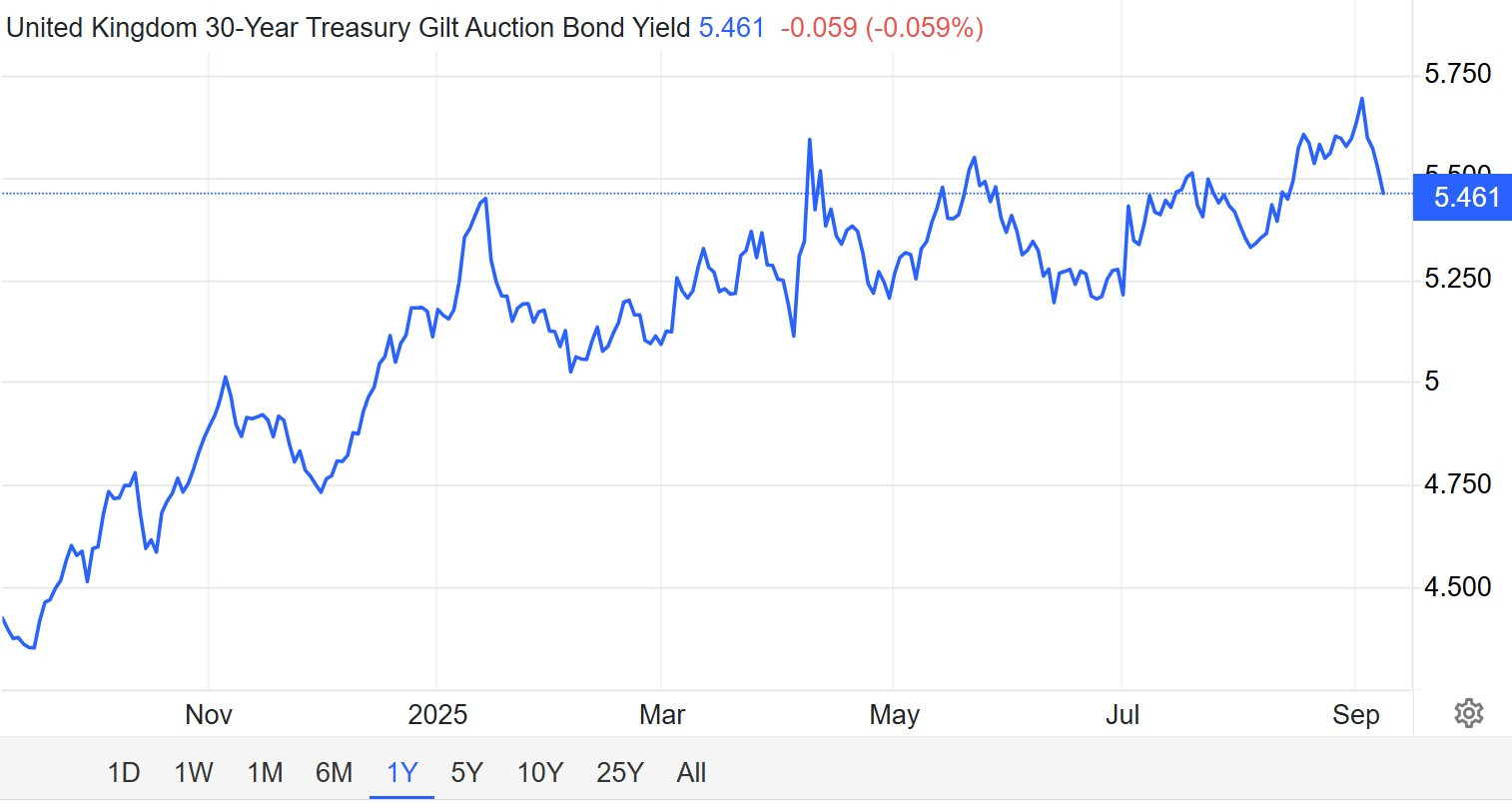 Those moves reflect investor concern about fiscal durability and the costs of servicing debt under stressed conditions.
Yet credit-market signals are mixed. High-yield spreads remain around 320 basis points — below a common distress threshold of ~400 bps — and major bank stocks in several markets have not collapsed. That divergence implies markets currently expect authorities to intervene before stress becomes systemic.
Political dynamics amplify the financial story. Hartnett points to recent election outcomes and populist policy pressures as drivers that increase the temptation for pre-election stimulus or market-friendly measures.
When governments face electoral risk, the political calculus can shift toward engineered prosperity, which in turn pressures monetary institutions to ease or to defend market functioning.
What explicit intervention would look like — mechanics, winners, and the risks
Price-maintenance operations range from guided rhetoric and targeted purchases to explicit yield caps. In practice, central banks might purchase long-dated government bonds or announce a ceiling for yields in order to hold down borrowing costs and restore orderly markets.
Those actions suppress term premia, lower long yields and typically support risk assets and commodities.
Immediate beneficiaries in Hartnett’s framework are obvious: gold and cryptocurrencies often rally as real yields fall and the dollar weakens.
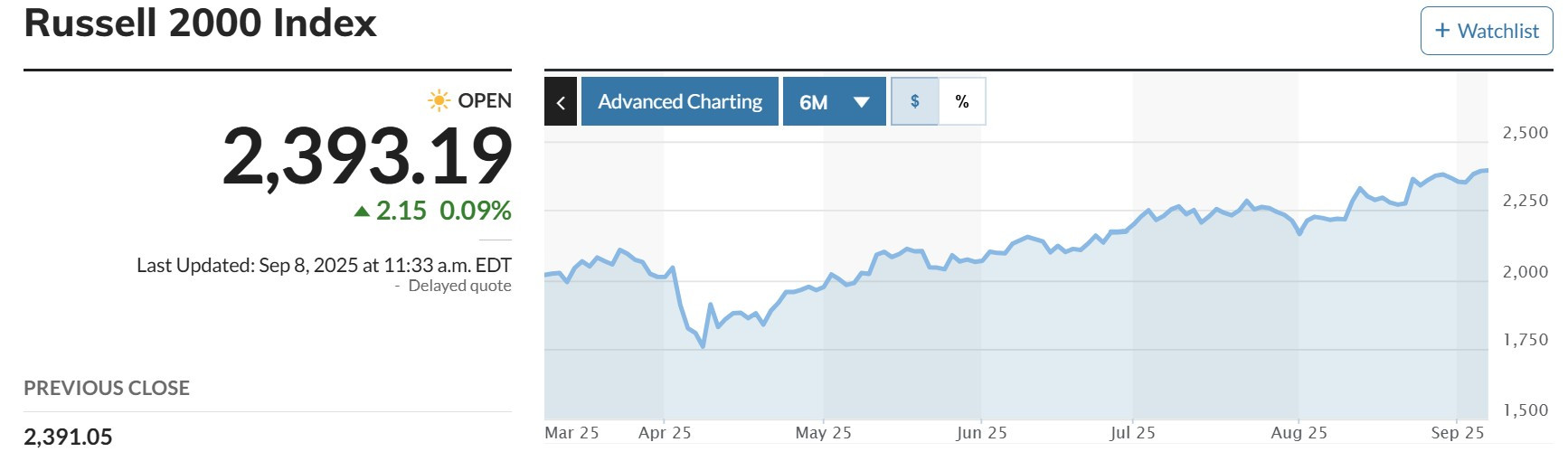
Government bonds gain from lower yields, while small-cap and out-of-favour cyclicals can benefit from cheaper financing and renewed investor risk appetite. These are the tactical plays Hartnett recommends to prepare for a YCC-style response.
But this is a two-edged sword. The Nixon-era analogy is a reminder that policy backstops can create short-term gains and longer-term liabilities.
If yield caps persist while fiscal deficits remain large, the result may be higher inflation later and the threat of a sharp policy reversal. That reversal would be painful: higher rates, forced repricing of long-duration assets, and the potential for severe equity drawdowns.
Market structure also matters. The expectation of intervention itself keeps spreads muted and reduces forced deleveraging today. Yet if credit spreads widen past critical levels, forced selling could accelerate, making intervention more likely — and volatility could spike rapidly.
What to watch and how investors might posture — practical checklist
Watch sovereign long yields: sharp further moves higher materially increase the odds of policy intervention. Monitor credit spreads: a sustained move beyond ~400 bps would signal deepening stress and could trigger broader repricing.
Track central-bank rhetoric closely; any signal of openness to yield guidance or market defense is a material regime change.
Also pay attention to fiscal and political developments. Pre-election fiscal initiatives, price-control measures, or sizable supply-side interventions can increase debt-service concerns and heighten central-bank pressure to act.
Regional investor behavior offers nuance: Hartnett’s conversations in Tokyo and Singapore show domestic Japanese investors less bearish on local bonds than foreigners, and Asian managers selectively buying technology and bank exposures on the view that easing and tariff normalization cut tail risks.
For positioning, Hartnett’s playbook is straightforward: long gold, long high-quality government bonds, and selective exposure to small-cap or cyclicals that benefit from cheaper financing.
But investors must weigh liquidity, convexity and the risk of a later policy whipsaw. The payoff for being early can be large — and so can the cost of being wrong.
Bottom line — posture for rapid regime shifts
Markets are increasingly pricing a policy backstop; positioning reflects a bet that authorities will defend yields to preserve growth and functioning.
That bet may deliver strong short-term gains for bonds, gold and certain equities, but it carries medium-term inflation and policy-reversal risk. Investors should prepare for swift changes in the market regime and manage liquidity and convexity proactively.