
Could the Fed’s Rate Pivot Reignite Crypto Stocks?: Is a Next Wave of Gains Coming?

Markets are pricing in a Fed cutting cycle restart, and that shift is already changing risk appetites. With a >90% chance of a 25bp cut at the September FOMC and macro reads showing cooler inflation and softer jobs, capital is tilting back toward risk assets—cryptocurrencies and crypto-related equities among them. Easier policy plus company-specific catalysts could trigger a meaningful rebound for beaten-up crypto IPOs.
Key Points
- Market pricing: >90% chance of a 25bp Fed cut at the September meeting.
- Macro backdrop: August CPI ≈5%; unemployment ≈ 4.2%, supporting easing.
- Institutional view: major banks expect several 25bp cuts through 2025.
- Options signal: IBIT put/call ratios fell from ~0.6 to below 0.5, signaling bullish sentiment.
Why the Fed matters now
The Fed sets the liquidity backdrop that drives risk appetite. Cuts lower borrowing costs and push investors toward higher-volatility assets. Anticipation often produces positioning ahead of the move; the cut itself can spark a relief rally and a liquidity-driven follow-through. The expected September 25bp cut is the immediate macro trigger traders are watching.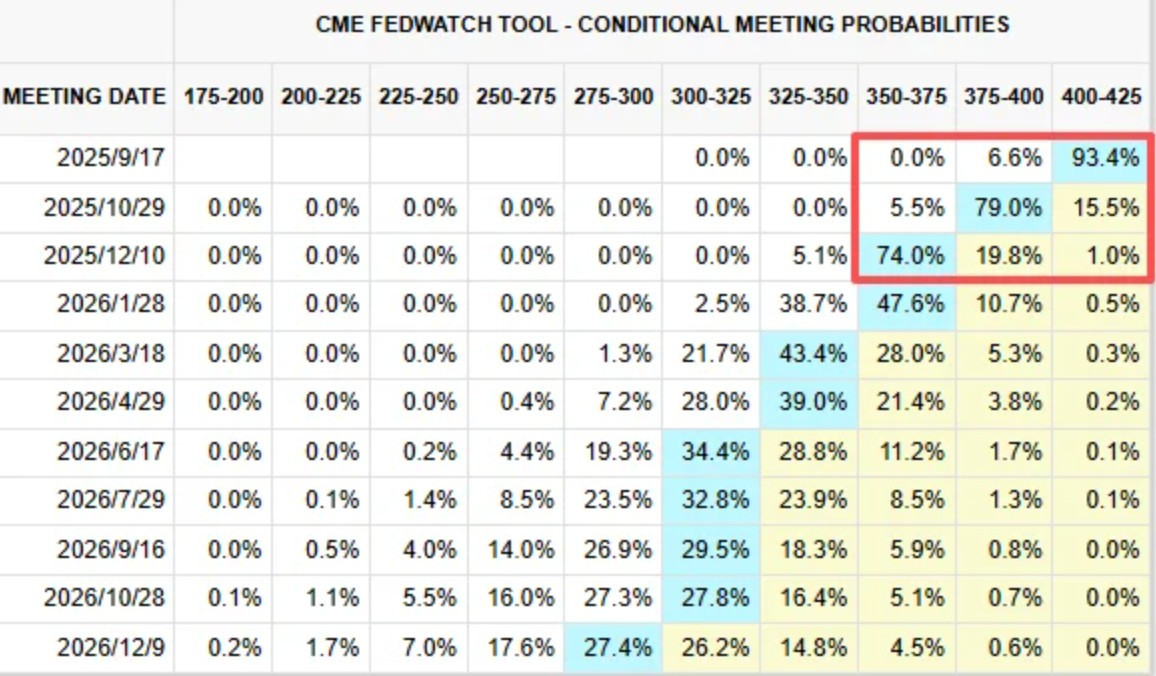
Macro data—CPI and unemployment—gives the Fed latitude. August CPI at ~2.5% and a 4.2% jobless rate reduce short-term inflation worries, making easing more politically and economically tenable. Institutional forecasts echo this, reinforcing market pricing.
Options and flow data already reflect positioning changes. A decline in IBIT’s put/call ratio from ~0.6 to below 0.5 shows increased bullish bets on Bitcoin-related products—an early behavioral cue for broader risk demand.
Who could rebound first: balance sheets, buybacks, and calendar catalysts
Recent crypto IPOs corrected sharply after initial parabolic moves. Circle ($CRCL ) has retraced about 50% to a market cap near $2bn and shows a falling-wedge technical pattern. Bullish ($BLSH ) pulled back after its debut and reports Q2 results on Sept 17—timing that could amplify moves after the Fed.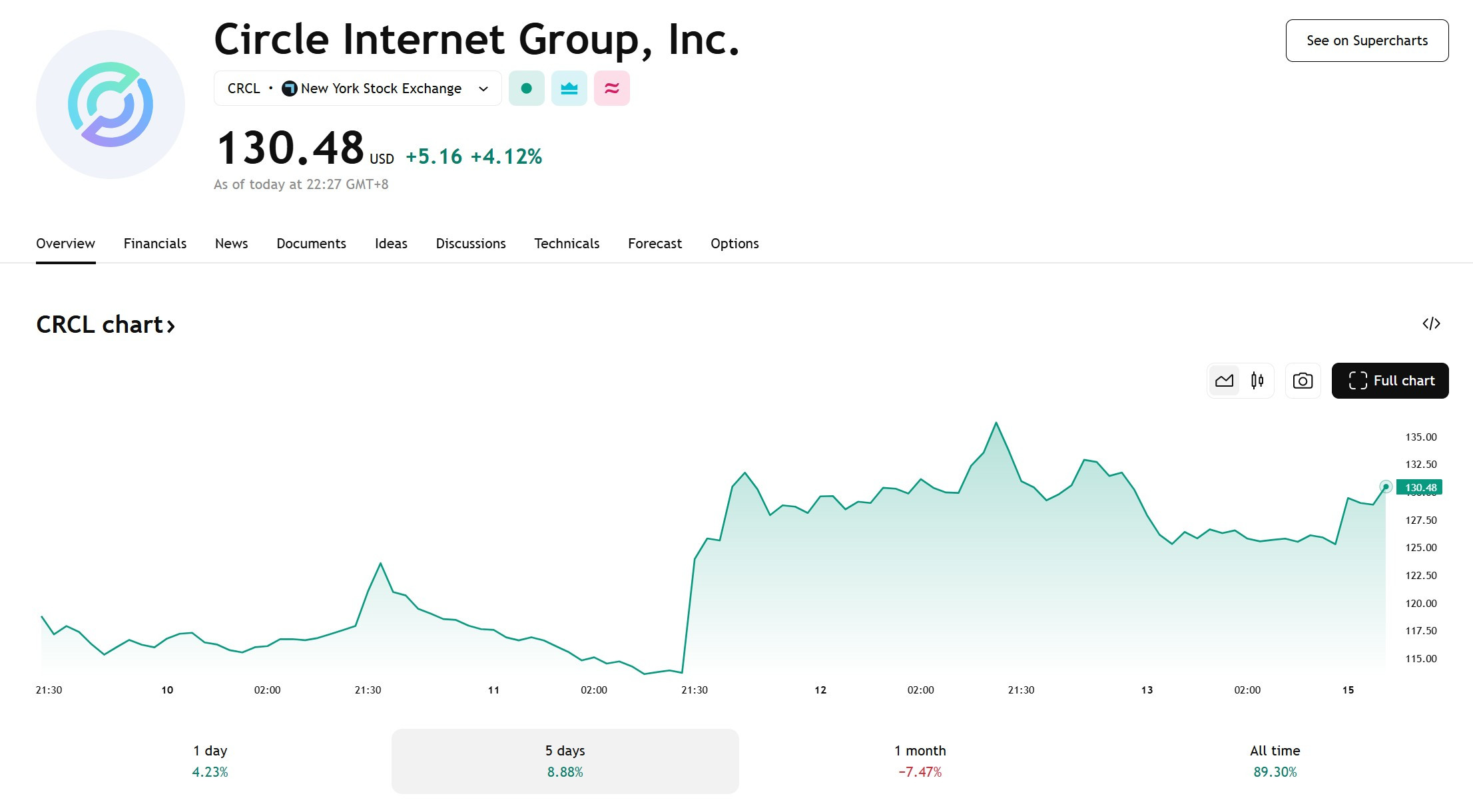
Some names have strong on-balance-sheet reserves. SharpLink ($SBET ) reportedly holds ~$3.6bn in ETH and launched a $1.5bn buyback; Bitmine ($BMNR ) holds ~ $9bn in ETH reserves. Both show MNAV below 1, implying market prices may understate intrinsic asset value—an upside catalyst in a liquidity-friendly regime.
Historical easing cycles show pattern and caution. Prior Fed cuts preceded multi-month rallies for Bitcoin and crypto equities, but crowded trades and earnings or regulatory shocks can quickly reverse gains.
Tactical playbook & risks
Offensive: buy short-dated at-the-money calls to capture a quick post-cut move; longer-dated calls if you expect a sustained leg higher. Remember implied volatility is high—premiums are expensive.
Defensive: buy at-the-money puts to hedge long equity exposure; this caps downside during volatile policy or earnings windows. Protective puts are effective insurance around Fed and earnings dates.
Income / re-entry: sell out-of-the-money puts to collect premium and potentially buy discounted shares if assigned. This reduces effective entry cost but creates assignment risk.
Risk checklist: easing is not a guarantee. The same growth weakness that prompts cuts can dampen revenues and valuations. Company-specific risks—reserve accounting, execution, regulation—remain significant for crypto businesses.
Timeline to watch: Bullish’s Q2 report (Sept 17 after close) and the FOMC decision (Sept 18 Beijing-time early hours) are immediate catalysts. Options flows and implied volatilities will likely spike around these events.
Bottom line: opportunity—with discipline
The market’s pricing of Fed easing is a clear catalyst for crypto assets and related equities. For names that corrected sharply yet retain meaningful crypto reserves or buyback programs, a liquidity-driven re-rating is plausible.
But disciplined sizing, protective hedges, and respect for company-specific and macro risks are essential. Treat policy and earnings dates as volatility multipliers—use them to manage risk, not to ignore it.