
Is the Fed’s Upcoming Rate Cut Echoing 2007?

Shearing sheep
September 16, 2025
GoGPT Summarizes Articles
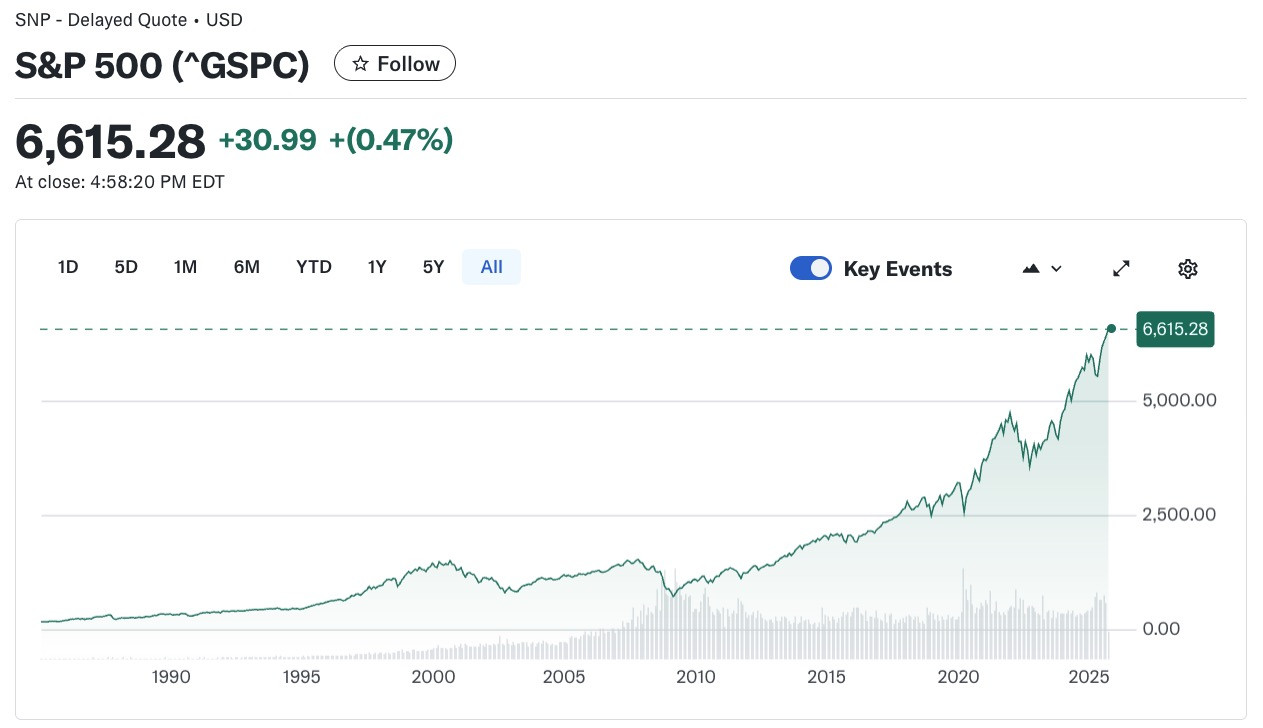
The Federal Reserve’s September meeting has been circled on everyone’s calendar for months, and now we’re here. Markets have priced in a rate cut as almost a done deal, and stocks are rallying into the decision—the S&P 500 hit another record close this week, while the Nasdaq isn’t far behind. For many investors, this feels like a moment to cheer.
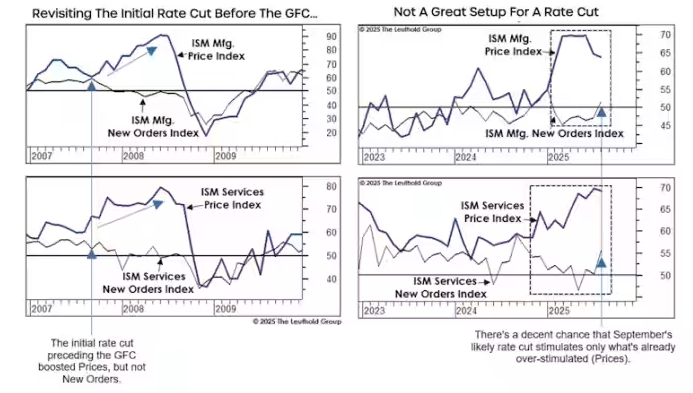
But history—and some seasoned analysts—are urging caution. Doug Ramsey, CIO at Leuthold Group, argues that this cut could carry risks that look eerily familiar to what happened in 2007.
Looking Back at 2007
In September 2007, the Fed cut rates for the first time in years, hoping to boost a cooling housing market and support a weakening labor market. Inflation was already running hotter than the Fed liked, but the thinking was that easing policy might stabilize growth. Instead, the cut failed to revive housing or jobs, while price pressures kept building. Within a year, the U.S. was deep into the financial crisis.
Ramsey isn’t saying 2008 is about to repeat. There’s no obvious systemic banking risk brewing today, and corporate earnings are still being revised upward. But the parallels—housing stuck in the doldrums, inflation proving sticky, and investors pinning hopes on rate cuts—are hard to ignore.
The Limits of Rate Cuts Today
The housing market has been frozen since the Fed’s aggressive hikes began in 2022. Mortgage rates remain high, affordability is stretched, and sales activity has been sluggish. Manufacturing hasn’t fared much better, with global demand soft and new orders uneven. Ramsey warns that cutting rates now might not revive these sectors in any meaningful way.
In fact, as Ramsey illustrated in his charts, the 2007 rate cut ended up pushing prices higher without reviving new orders—a pattern clearly visible in the ISM Services and Manufacturing PMI data. Both indices are closely watched by investors as leading indicators of economic health. When PMIs show rising prices but stagnating new orders, equities tend to struggle. While U.S. stocks have remained resilient so far, the latest data is beginning to show a similar divergence today.
Long-term bond yields could even rise after a cut if markets start doubting the Fed’s commitment to price stability. Leuthold forecasts CPI could accelerate toward 3.5% by the end of 2025. That’s not crisis-level inflation, but it’s enough to make life harder for households already squeezed by rising costs—and enough to eat into corporate margins and capex plans.
Valuations Are a Wild Card
Another key difference between now and 2007: valuations. The S&P 500 is entering this potential easing cycle at historically high forward multiples. Normally, stocks are cheaper at the start of a rate-cutting cycle because growth is weakening. This time, thanks largely to the AI-fueled rally, the market is already expensive.
That leaves less room for disappointment. If rate cuts fail to boost growth—or worse, if they push inflation higher—the downside for equities could be sharper than many expect.
Market Psychology: Buy the Rumor, Sell the Fact?
Beyond fundamentals, there’s also the question of positioning. BTIG’s Jonathan Krinsky noted that if the Fed cuts this week, we could see a “sell the fact” move. That would fit the classic pattern: investors bid up assets in anticipation of good news, only to take profits once the event happens. With the S&P at record highs, it wouldn’t take much to trigger a pullback.
Why This Matters for Investors
For short-term traders, the risk is a near-term selloff if the Fed cuts as expected and markets decide to take chips off the table. For longer-term investors, the bigger issue is whether rate cuts today really improve the economic backdrop—or whether they simply allow inflation to re-accelerate. If we end up with higher prices but little improvement in housing, manufacturing, or job growth, corporate earnings could eventually feel the strain.
Ramsey summed up the risk by pointing back to 2007: “The intent was to stimulate weak areas of the economy, but the result was to stimulate already-strong inflation.” That’s the scenario investors need to guard against now.
Bottom Line
The Fed’s likely rate cut this week isn’t just a short-term catalyst—it could shape the direction of the economy for the next year or more. The optimistic case is that easing will support growth without reigniting inflation. The pessimistic case is that we get a 2007-style repeat: higher prices, sluggish demand, and valuations that suddenly look unsustainable.
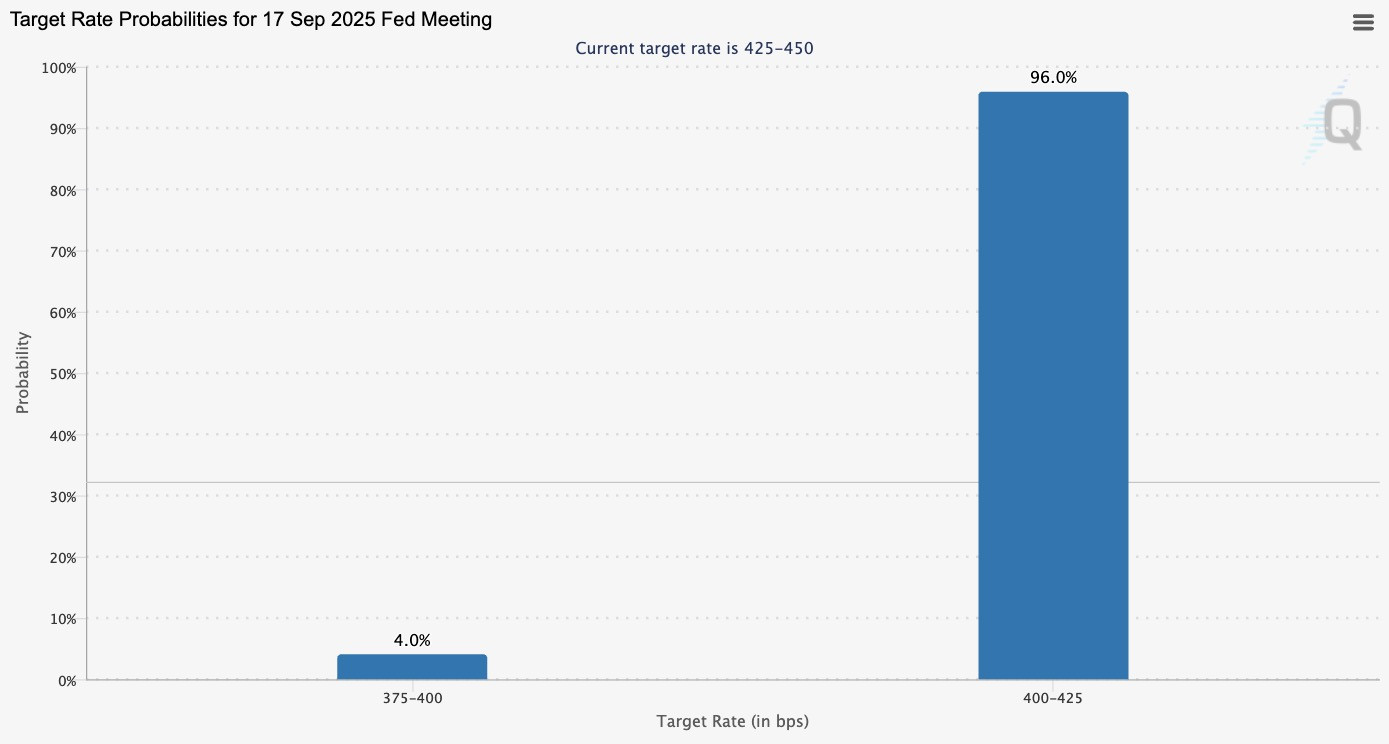
For now, stocks remain buoyant, earnings estimates are rising, and investors are giving the Fed the benefit of the doubt. But history suggests it pays to keep one eye on the risks.
#Breaking Macro Events: Market Impact & Analysis