
AI Gold Rush: How Morgan Stanley Sees Amazon, Meta, and Google Leading the $500B Tech Revolution

Morgan Stanley has identified four major generative AI catalysts that are set to reshape the internet landscape, with $AMZN , $META , and $GOOGL positioned as the top picks to outperform in the large-cap tech space over the next 12 months.
In a recent report published on September 16, analyst Brian Nowak highlights that model breakthroughs, agentic experiences, soaring capital expenditures, and custom AI chips are driving this transformation. These forces are expected to accelerate digital consumer spending and redefine competitive dynamics across the sector.
The Four Engines of AI Transformation
Morgan Stanley points to four macro AI trends that will dictate the performance of internet companies in the coming years. These are not just incremental changes—they are structural shifts.
Why Are AI Models Improving So Quickly?
Continuous and even accelerating breakthroughs in AI model capabilities are anticipated. Massive funding, better chips, and extensive room for agentic development are key drivers. Leaders like OpenAI, Google, and Meta are expected to release significantly more powerful models.
How Will “Agentic” AI Change Consumer Behavior?
Agentic AI products deliver personalized, interactive, and comprehensive user experiences. This will further digitize consumer spending. Widespread adoption still faces hurdles like compute capacity, inference capabilities, and seamless transaction integration.
Why Are Capital Expenditures Skyrocketing?
To support this AI boom, the six major tech players—$AMZN , $GOOGL , $META , $MSFT , $ORCL , and $CRWV —are investing at an unprecedented scale. Their combined data center capital expenditure is projected to hit $505 billion by 2026, up 24% year-over-year. Building a single gigawatt-scale data center still requires $40–50 billion in investment.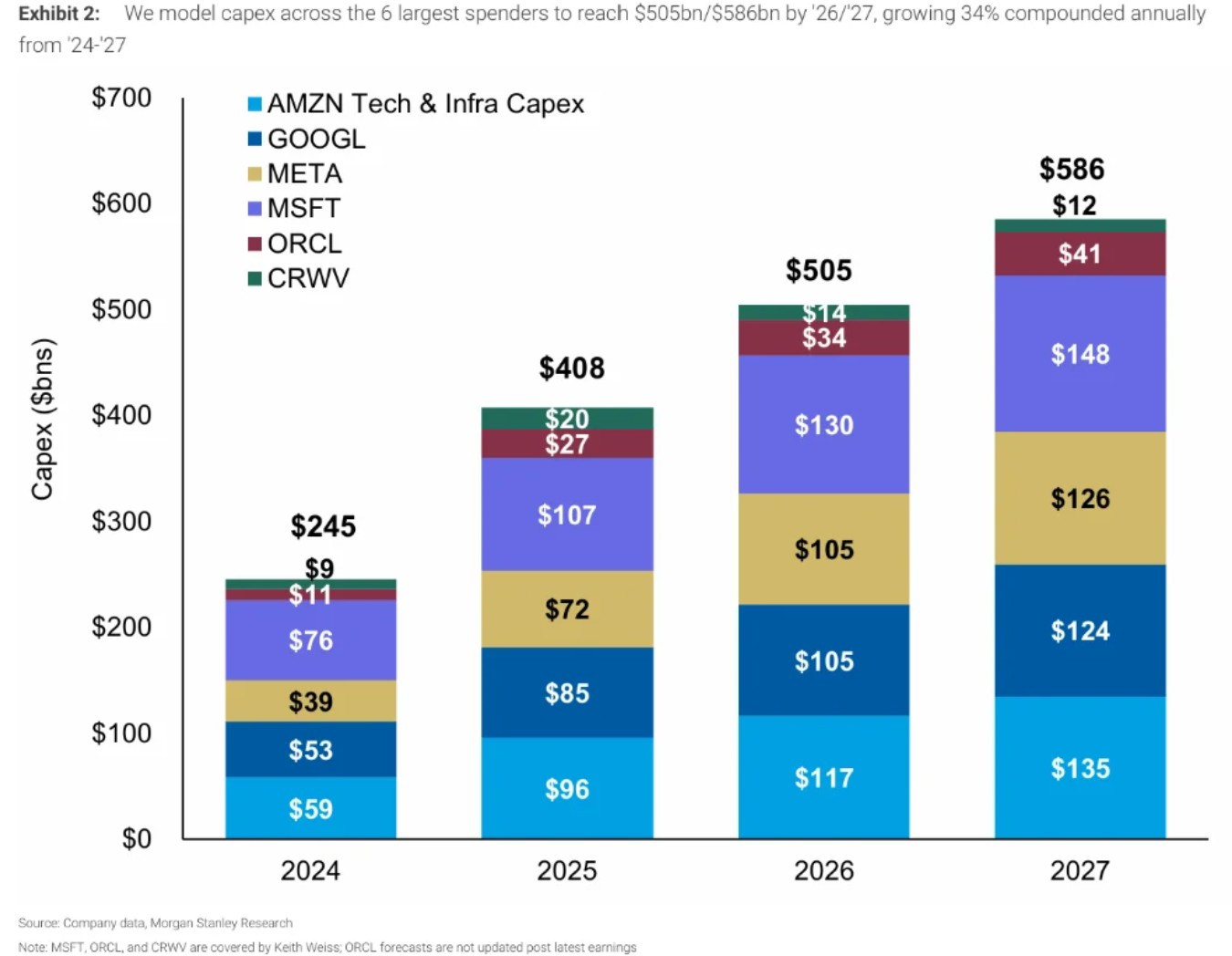
Are Custom AI Chips the Next Competitive Edge?
The testing and adoption of custom AI chips, like Google’s TPU and Amazon’s Trainium, are likely to increase. Despite NVIDIA’s software ecosystem advantages, cost efficiency and supply constraints will push customers toward custom ASIC solutions—especially for inference workloads. Success here could add upside beyond current valuations for Google and Amazon.
Key Takeaways
- Amazon, Meta, and Google are Morgan Stanley’s top large-cap tech ideas for the next year.
- Total capital expenditure by six key firms could reach $586 billion by 2027.
- AI infrastructure spending will pressure free cash flow in the short term.
- By 2026, infrastructure capex may consume 57% of Google’s pre-tax free cash flow, 73% of Meta’s, and 78% of Amazon’s.
- Agentic AI is expected to deepen digital consumer spending penetration.
- Custom chips could become a major margin advantage and growth lever for cloud providers.
The Capex Boom: Investing Today for AI Tomorrow
Massive capital investment is both a bet on the future and a drain on current cash flow. Morgan Stanley models indicate a 34% compound annual growth rate in capex from 2024 to 2027 for the six biggest tech companies.
This spending will significantly impact free cash flow. By 2026, infrastructure investments are expected to account for 57% of Google’s pre-tax free cash flow, 73% of Meta’s, and 78% of Amazon’s. This underscores a strategic willingness to sacrifice short-term profitability for long-term AI leadership.
Amazon: Top Pick with Dual Growth Engines
Morgan Stanley’s highest conviction stock is $AMZN , with a $300 price target and an Overweight rating. The bullish thesis rests on two pillars: a re-acceleration of AWS and expanding retail margins.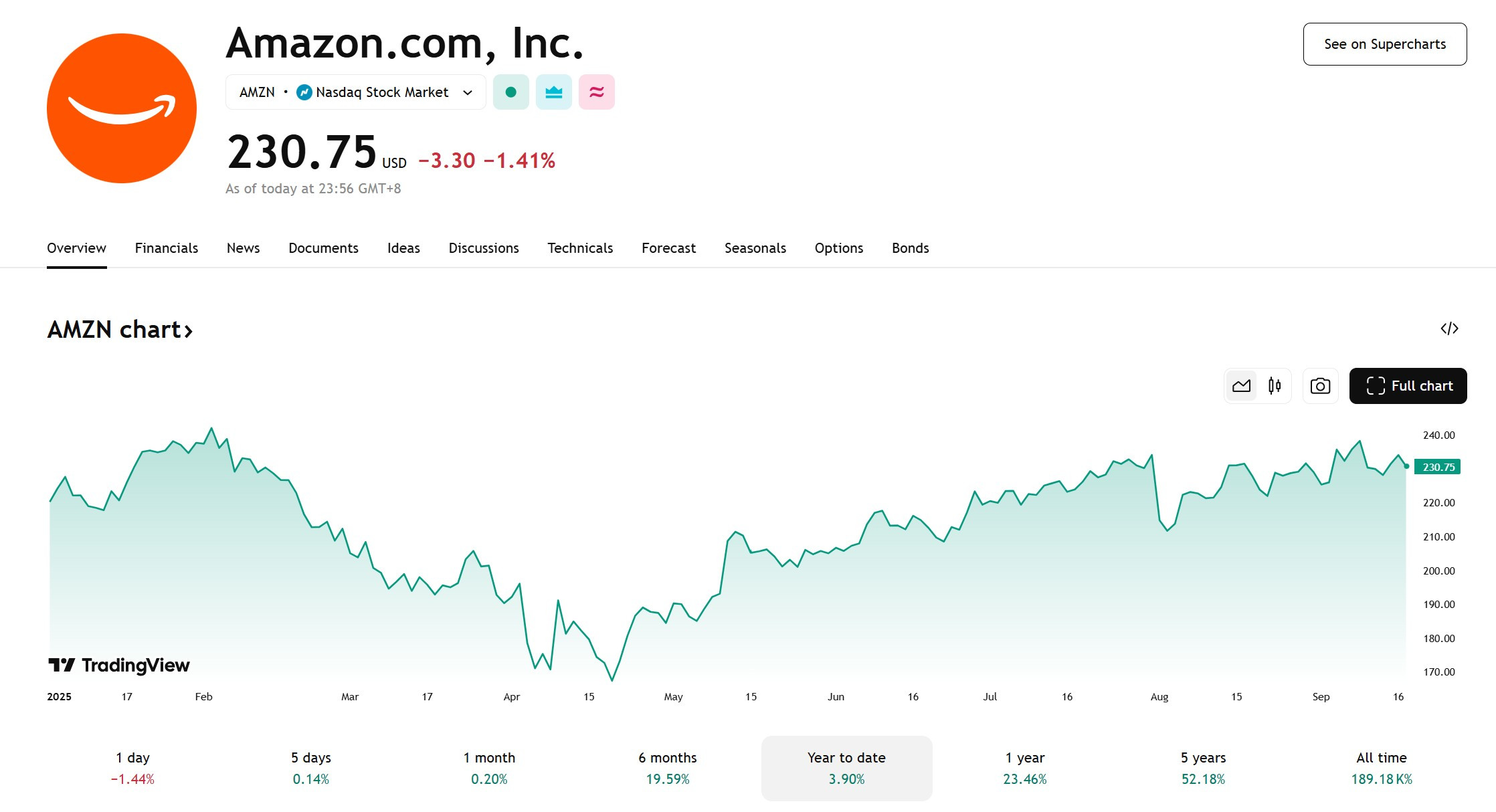
The firm’s analysis of Amazon’s data center expansion suggests that new capacity coming online in 2025 and 2026 could support AWS revenue growth exceeding 20% in 2026. That surpasses the base forecast of 19%.
Meanwhile, Amazon’s North American retail segment currently operates at a -1% margin. There is clear room for improvement toward the 1% level achieved in 2018. Faster margin recovery could lead to significant earnings per share upgrades in 2026 and 2027.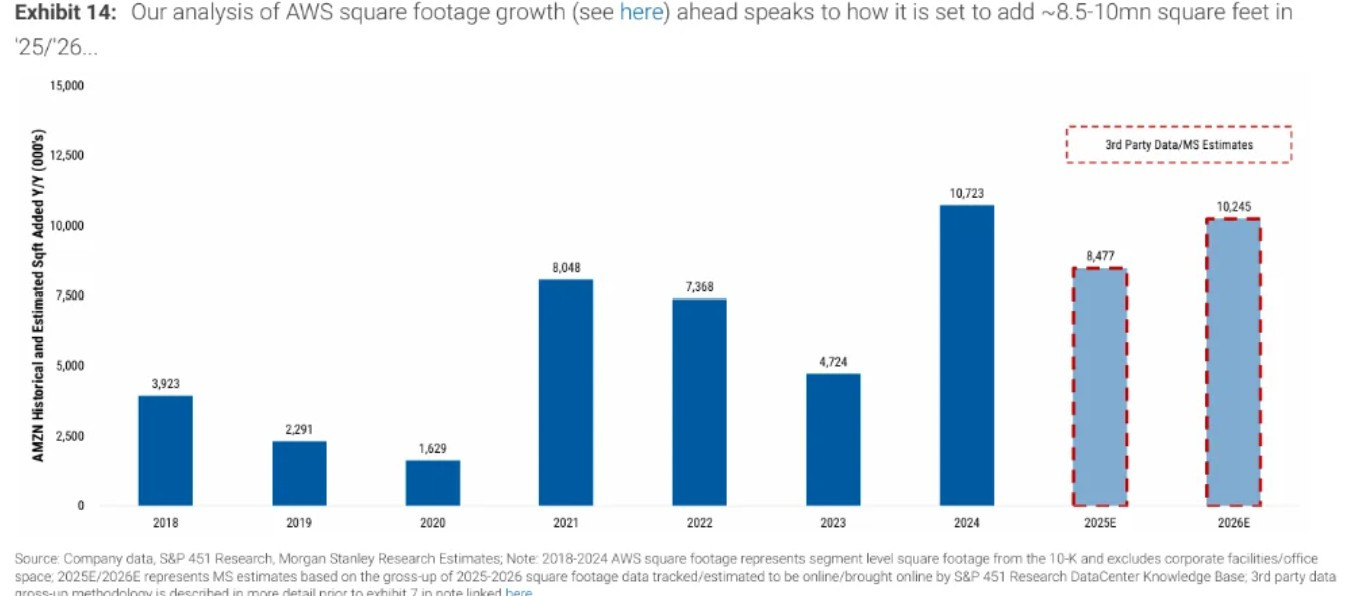
Meta: Core Strength and Hidden Options
$META is also rated Overweight with an $850 target. The company is praised for its core ad tech improvements, upcoming Llama model, and valuable optionality in new businesses.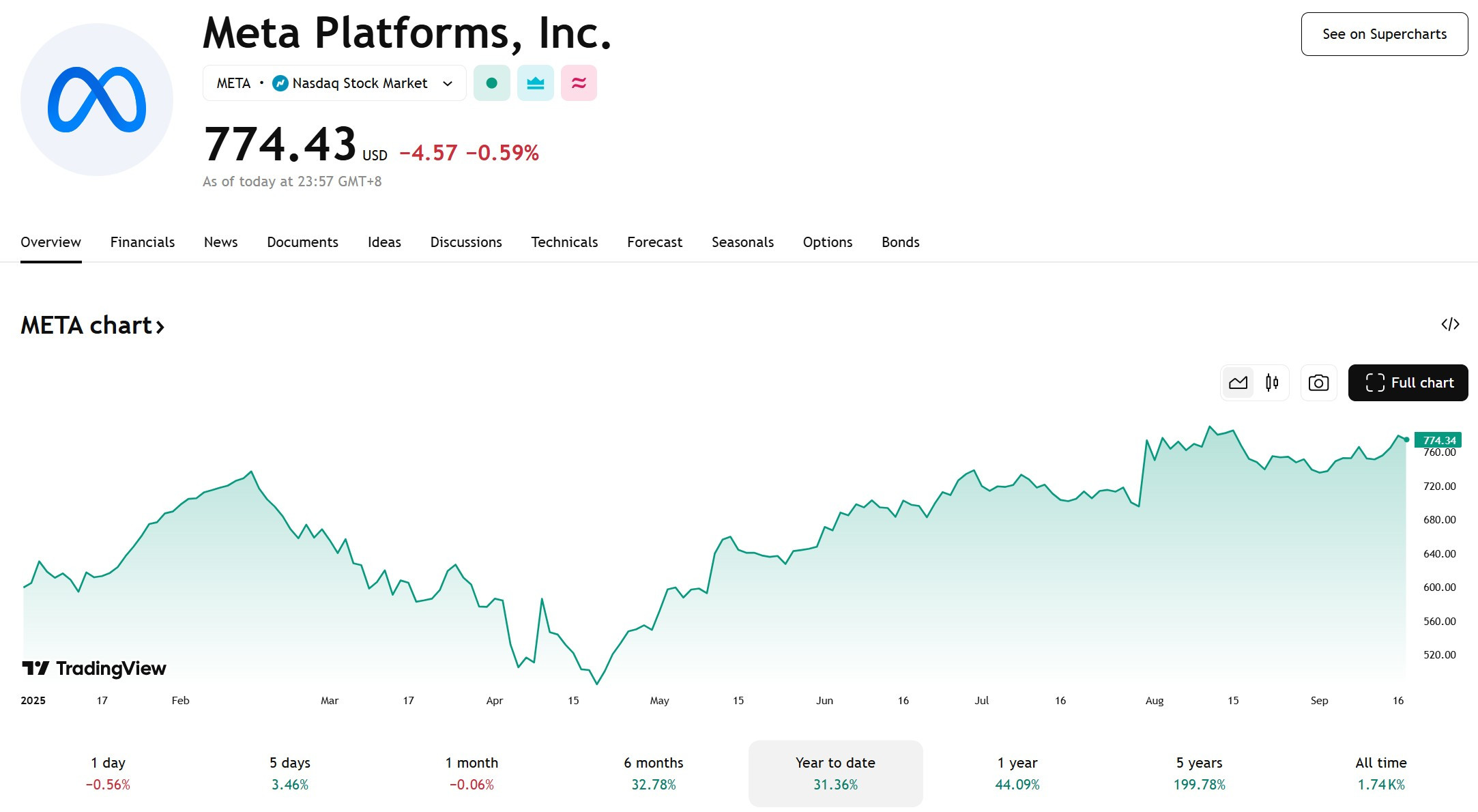
There is still substantial opportunity for Meta to use AI to enhance user engagement and ad monetization within its existing apps. The next-generation Llama model, expected in early 2026, is highly anticipated by the market.
Meta AI search and Business Messaging represent untapped growth. Morgan Stanley estimates that Meta AI search alone could generate ~$22 billion in annual revenue by 2028. Despite a later start, user adoption of Meta AI has quickly caught up to ChatGPT and Google’s Gemini.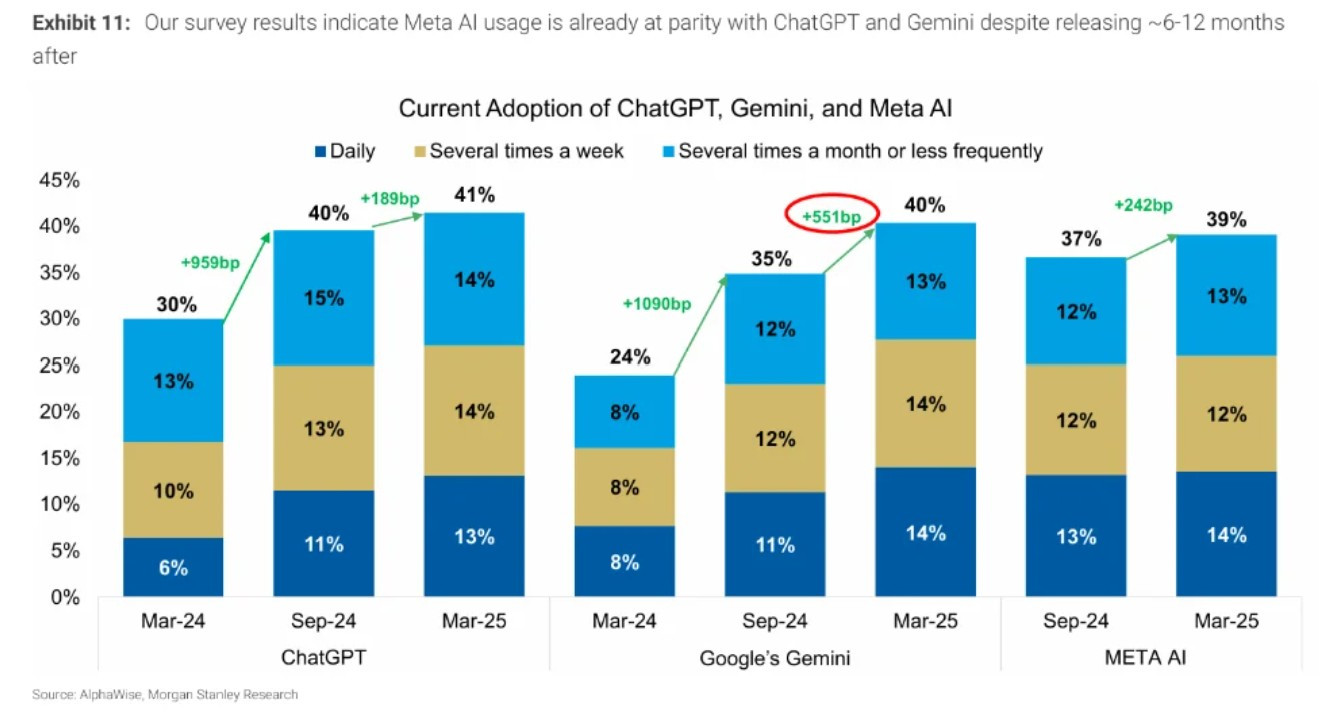
Google: Search Innovation and Cloud Momentum
Morgan Stanley maintains an Overweight rating on $GOOGL with a $210 target. Key focuses include AI-powered search growth, potential shifts in user commerce behavior, and expansion in Google Cloud Platform (GCP).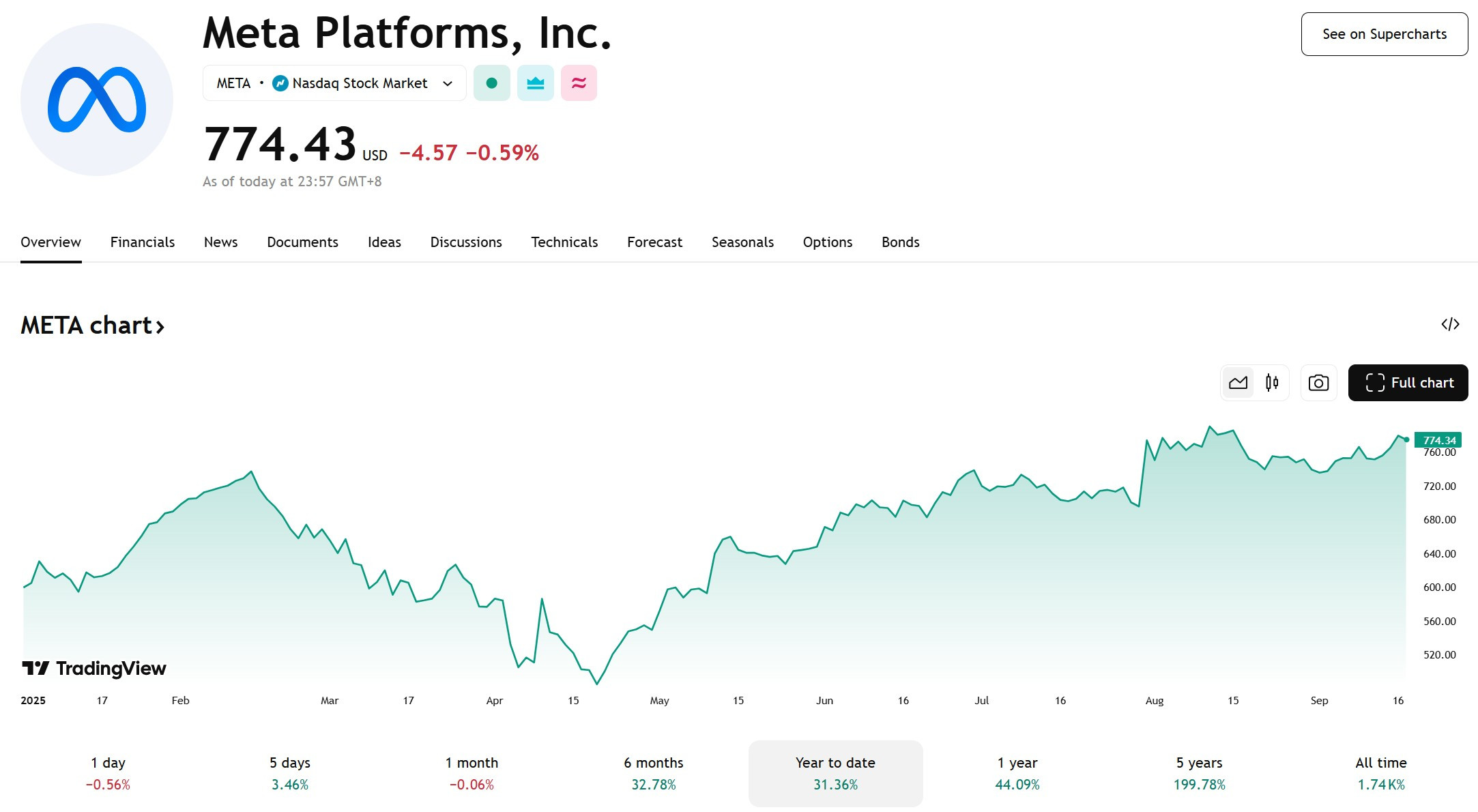
Innovations like AI Overviews and AI Mode are expected to fuel a search revenue acceleration. Forecasts indicate 12% growth in the second half of 2025 and 9% in 2026. Surveys confirm Google remains the leading platform for product research and price comparison.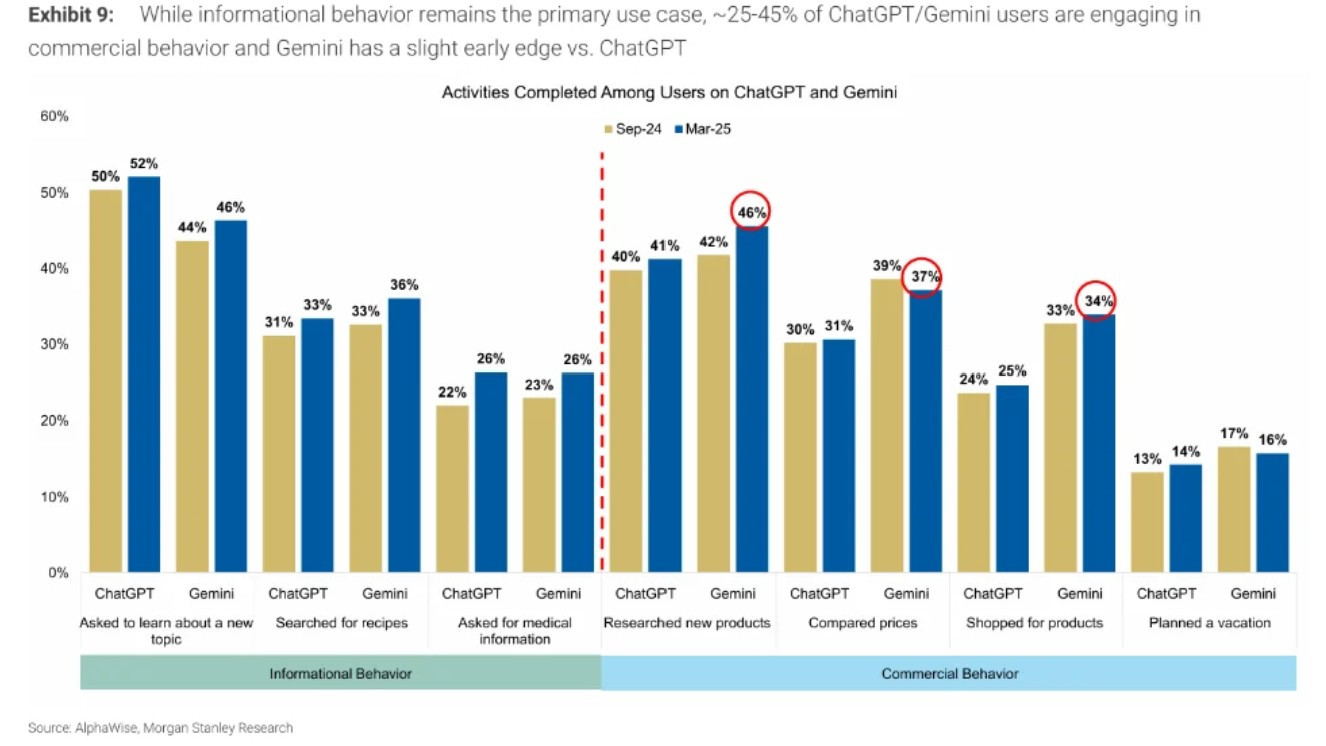
On the cloud front, the Gemini model and TPU chips are critical to GCP’s growth. The report highlights GCP’s partnership with Meta, which could add ~300 basis points to growth in 2026. The market may still be underestimating the upside from Google’s custom chip developments.