
The Biggest Privatization Deal In Global Footwear History Been Born

The biggest privatization deal in global footwear history has just been born.
Recently, Brazilian private equity giant 3G Capital announced the completion of its privatization acquisition of US comfort tech company Skechers for a total of approximately $9.4 billion.
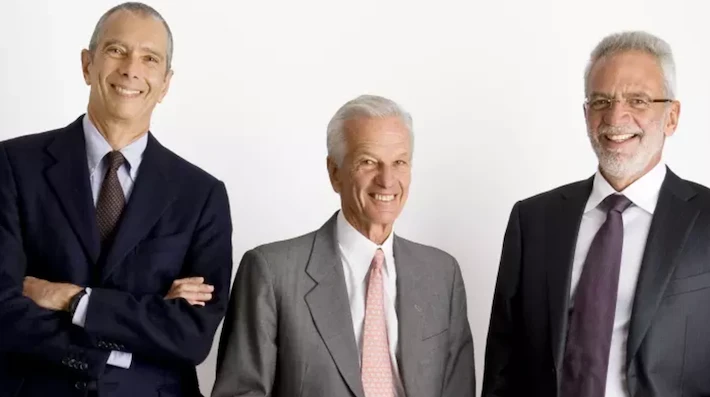
Skechers delisted from the New York Stock Exchange, ending its 26-year run as a public company.
3G Capital is known for its “operations plus capital” dual-drive approach, excelling at boosting company value through cost control, supply chain optimization, and merger integrations. It has previously handled massive deals like Anheuser-Busch InBev and Kraft Heinz.
30% Premium
Under the final merger agreement, 3G Capital acquired all outstanding Skechers shares at $63 per share, totaling about $9.4 billion—a 30% premium over the company’s weighted average stock price over the prior 15 trading days.
The deal, first announced on May 5 this year, cleared US antitrust review and gained unanimous board approval, wrapping up smoothly in the third quarter.
In May, Skechers confirmed its agreement to be acquired by 3G Capital for over $9 billion.
After over four months, this transaction is now complete, marking the largest privatization deal in global footwear history to date.
For this acquisition, 3G Capital offered shareholders two options:
- An all-cash deal at $63 per share, as mentioned above;
- A mixed option of $57 per share in cash plus non-listed, non-transferable private equity units.
This structure aims to meet varying shareholder needs for liquidity and long-term value, reflecting 3G Capital’s confidence in Skechers’ future growth.
Post-deal, 3G Capital will hold about 80% of the new company, with the rest owned by existing shareholders and management.
Per the agreement, Skechers will continue to be led by founder Robert Greenberg (Global Chairman and CEO), his son Michael Greenberg (Global President), and David Weinberg (Global Chief Operating Officer), with headquarters remaining in California.
Global No. 3 Footwear Brand, Behind Nike and Adidas
Skechers was founded by Robert Greenberg in 1992 in California, initially distributing Doc Martens boots and street skate shoes.
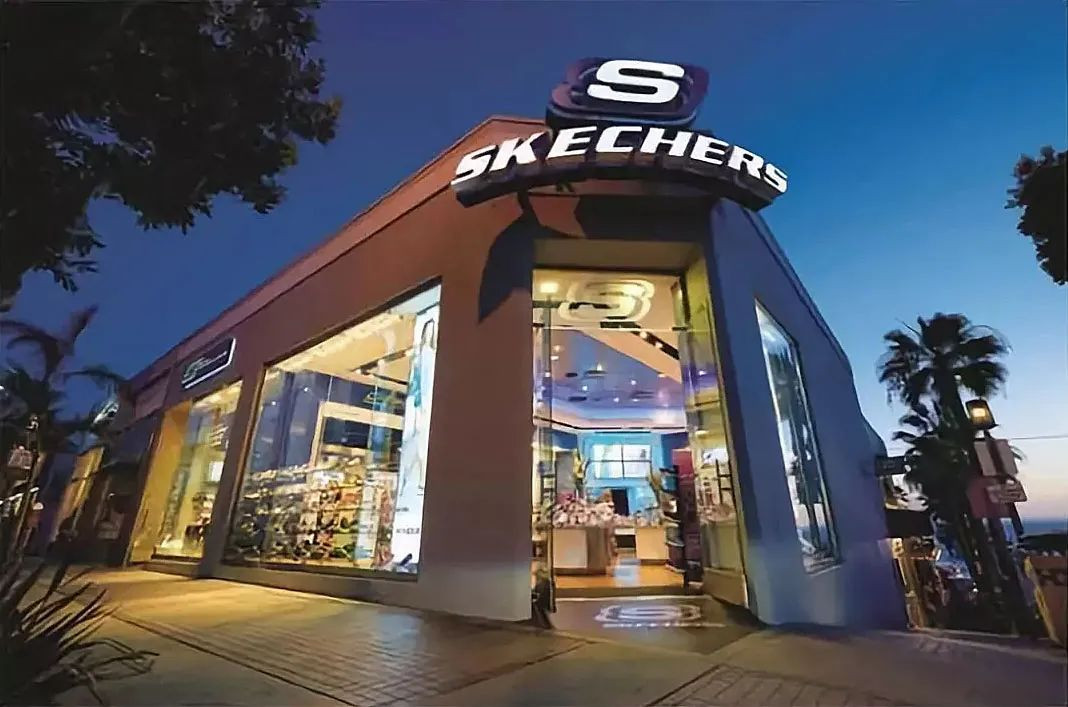
In 1994, the company launched its own “Skechers” brand, targeting comfortable, stylish casual shoes that quickly caught on with younger buyers.
It went public on NASDAQ in 1999 under the ticker SKX, later moving to the NYSE, with a 26-year listing history.
After going public, Skechers expanded into kids’ shoes, women’s shoes, and outdoor footwear, boosting brand recognition through celebrity endorsements and TV ads.
In 2011, it introduced the “Performance” line, entering the professional sports shoe market to compete with Nike and Adidas.
Since then, Skechers has doubled down on its “comfort tech” positioning with innovations like Memory Foam, Arch Fit, and Max Cushioning, earning wide market praise.
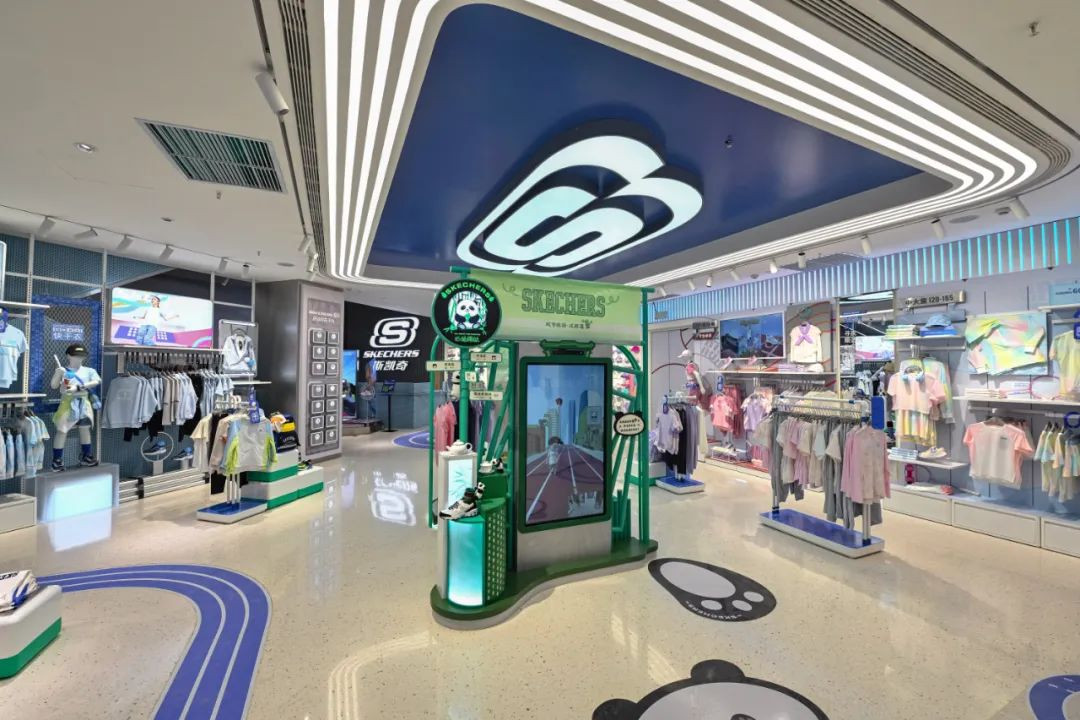
Today, it operates over 5,300 stores worldwide with about 20,000 employees, ranking as the world’s third-largest footwear brand, behind Nike and Adidas.
Founder Father-Son Duo Sells Out, 3G Capital Steps In
Data shows Skechers posted $8.97 billion in sales in 2024, up 8.5% and a record high.
Despite steady growth, Skechers faced multiple challenges in 2025, prompting the founder duo and team to sell and delist.
From January to May 2025, its stock fell about 40%, shrinking its market value to around $7 billion at one point.
For a listed giant, stock ups and downs are par for the course and typically not fatal.
But the escalating US-China trade war hit Skechers’ sales in China, leading it to withdraw its full-year 2025 guidance.
As a public company, Skechers faced short-term performance pressure, limiting flexibility for long-term plans.
Against this backdrop, 3G Capital’s privatization offer was seen as a “strategic exit,” giving Skechers room to maneuver.
With its stock and market value at historic lows, 3G Capital essentially scooped up a bargain.
Apparel and Footwear “Sell-Off Wave” May Birth “Super Brand Groups”
Skechers’ privatization isn’t a one-off.
In recent years, the global apparel and footwear sector has seen a surge in capital mergers and privatizations, reflecting slowing industry growth, mounting brand transformation pressure, and Wall Street’s demand for short-term returns.
Under Armour’s stock has dropped over 30%, with rumors of a potential privatization.
Allbirds has also slumped, with market speculation of a buyout.
Earlier, Reebok was spun off from Adidas in 2022 and acquired by Authentic Brands Group for $2.5 billion.
Cole Haan went private in 2021, bought by Apax Partners.
This year, Puma faced sell-off rumors—denied later—but whispers of a merger with Adidas surfaced.
Decathlon was said to plan selling 30% of its stake, only to retract, and now it’s caught in a “delisting” storm, leaving 2025 performance uncertain!
More consumer brands are exiting public markets for private ownership, seeking greater strategic freedom.
This raises the question: Is privatization a cure-all?
Perhaps, amid volatile markets and shifting consumer tastes, going private lets companies dodge short-term pressures and focus on long-term shifts.
Top capital players, through mergers, could boost industry concentration, potentially giving rise to more “super brand groups.”