
Will the Fed’s Rate Cut Hit Your Wallet?

The US Federal Reserve announced on September 17 that it’s lowering the federal funds rate by 25 basis points to a range of 4.00%-4.25%. This is the first cut of 2025 and the first since December 2024.
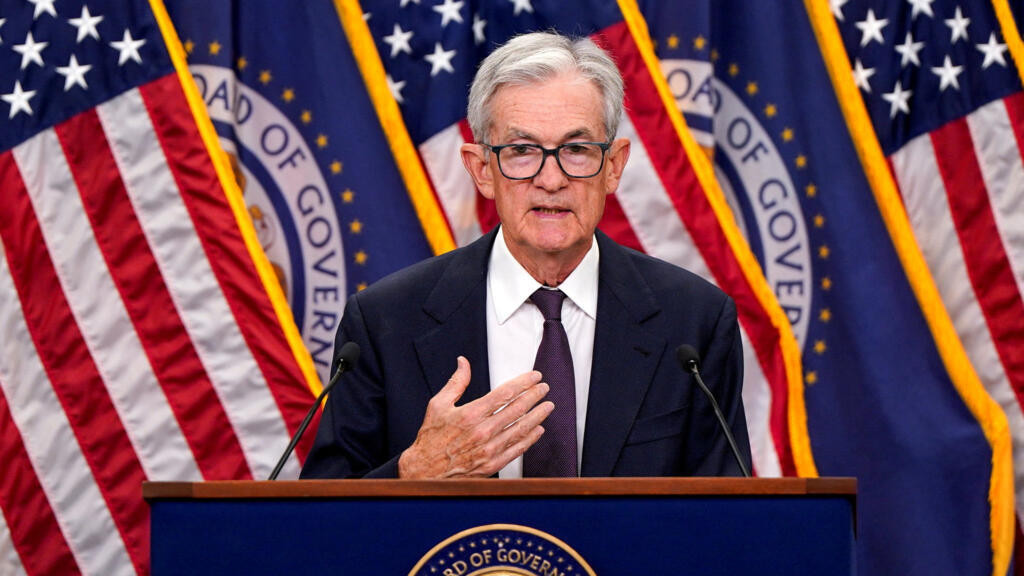
For the average person, a Fed rate cut is like a change in the weather—you might not dig into the science, but whether it rains tomorrow decides if you need an umbrella.
This cut’s “rain” will help some folks’ gardens grow while maybe soaking others’ lawns.
Economic Weather Vane: What’s Coming?
The Fed didn’t drop this out of nowhere. Recent numbers show the US economy slowed down in the first half of the year, and job growth has eased up too.
Inflation’s crept up a bit and stays on the higher side, but new jobs lately have been way below what people expected, nudging the Fed to act.
The road ahead is unclear, with more risks to employment popping up. This move looks like a “preventive cut” to pump more cash into the system, encouraging businesses to hire.
It’s like a doctor giving a weak patient a gentle boost to avoid something worse.
Mortgages and Car Loans: Lighter Repayment Load
For regular families, the first thing you’ll notice is cheaper borrowing. After this cut, mortgage rates should dip a little.

They won’t crash right away, but based on what’s happened before, a 0.25% Fed cut might shave 0.1%-0.2% off mortgage rates. For people in pricey spots like New York or San Francisco, even a small drop saves real money.
Car loan rates will feel it too. They’ve been hovering at 7%-8% for new cars the past couple years; post-cut, rates for new and used cars might ease a bit. For families eyeing a car, every dollar saved helps.
Credit Card Payments: A Bit of Relief
Credit card rates are another area that’ll feel the pinch. In the US, these rates often follow the federal funds rate, with many cards sitting at 20%-25% APR.
A 0.25% cut should bring a small drop. It’s like a tight belt around your wallet loosening up a notch—nothing huge, but it lets you breathe easier.
For households leaning on credit to make ends meet, this might mean a little less interest paid each month, leaving some extra for daily life.
Savings Interest: Less Income Coming In
But it’s not all good news. For retirees counting on interest, this cut could mean less money in their pockets.
High rates the past two years pushed savings account yields above 5%, so lots of folks pulled cash from stocks to park in banks.
After this cut, banks will likely trim those rates. A 5% return might drop to 4.5% or lower.
It’s like fruit on your tree—used to get 100 pieces a year, now maybe just 90.
Job Market: New Openings on the Horizon?
Over time, this cut might make finding a job a bit easier. With borrowing cheaper, companies could start hiring more. For grads hunting work, that’s a plus.
The Fed sees another 50-basis-point cut by the end of 2025, with 25 basis points each year after that. This steady easing could perk up the job scene.
Like spring rain, it slowly waters the ground, setting the stage for growth.
Investing: Time to Adjust Plans
The impact on investments is trickier. Stocks often perk up during rate cut cycles as borrowing gets cheaper and profits look better.
But watch out for risks. JPMorgan warns the Fed meeting could turn into a “good news done” moment, with a possible 3-5% dip before month-end.
Gold, a go-to safe bet, tends to do well when the dollar weakens and rates fall—but be ready for some profit-taking after the cut hits.
Looking Ahead: Just the Start
Experts figure this cut might be the first of more. The Fed’s outlook shows a 50-basis-point cut by year-end, with 25 basis points annually for the next two years.
Wells Fargo sees the 2025 median rate forecast dropping from June’s 50-basis-point cut to 75 basis points. Morgan Stanley and Deutsche Bank predict 25-basis-point cuts at each of the next three meetings.
Powell said the Fed should wait to see how tariffs, inflation, and the job market shake out before cutting more. That means future moves will depend on how the economy unfolds.
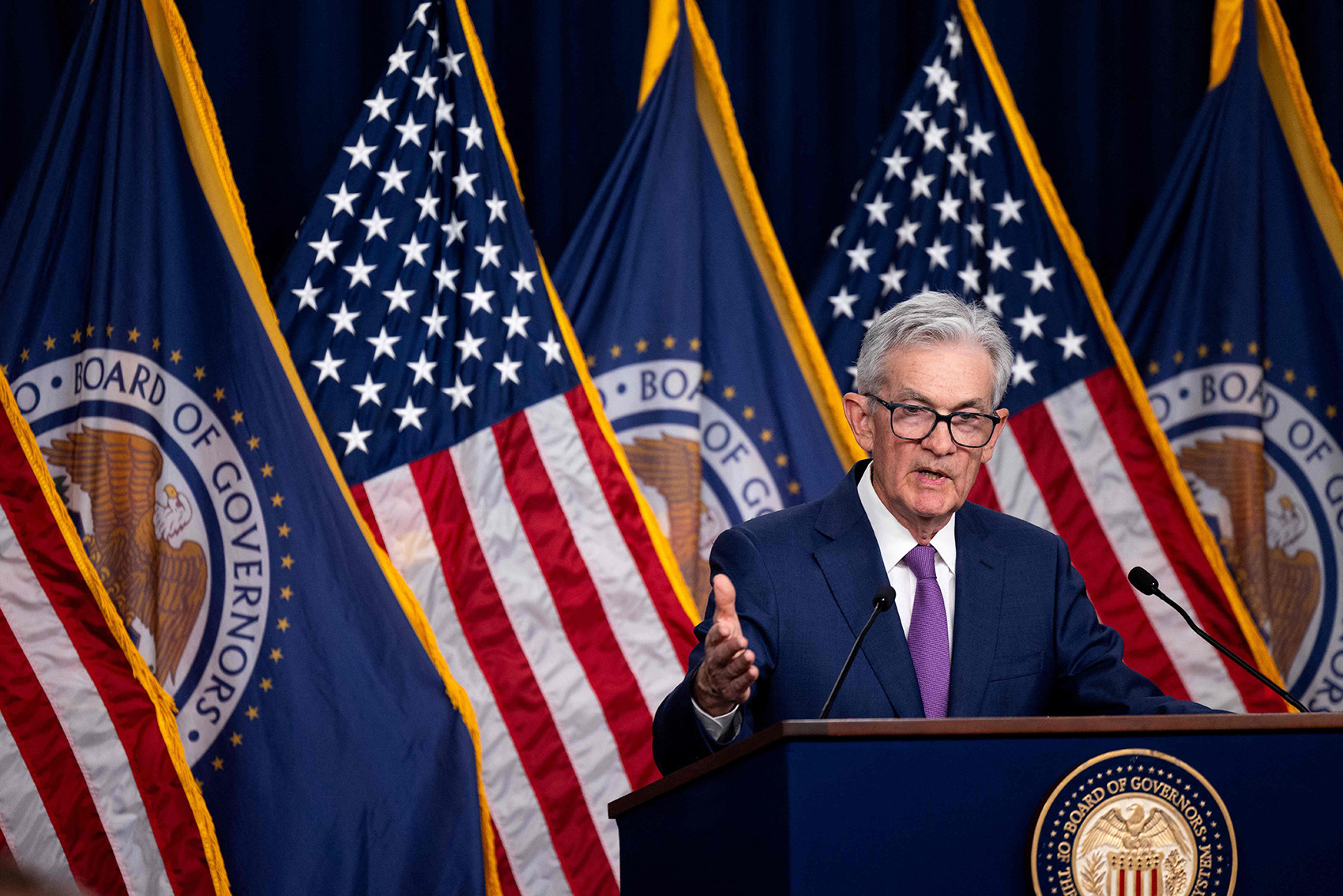
The Fed’s plan points to a 50-basis-point cut by year-end, hinting at more rate news in the coming months.
Rate cuts are like a light rain—starting with a damp surface but soaking deep over time to feed the economy’s roots.
For the average person, keeping tabs on these shifts and tweaking your finances could open up new chances amid the changes.