
Fed’s 25bp Cut: Where Do Global Asset Prices Head Next?

The Federal Reserve cut rates by 25 basis points to 4.00%–4.25% — the first cut since December 2024 — while signalling two more cuts this year and only one next year. The FOMC also confirmed continued balance-sheet runoff. Markets moved quickly from pricing policy to testing whether corporate earnings and economic data can justify current valuations.
Key Points
- Fed cut 25bp to 4.00%–25% and signalled two more cuts this year, one next year.
- FOMC will continue shrinking Treasuries, agency bonds and MBS holdings.
- HKMA and Macau cut 25bp to 4.5%; Canada cut 25bp. ECB signalled its easing may be over; BoE and BoJ held.
- USD index initially dipped then rose from ~96.3 to ~97.18.
- S. 10-yr yield traded near ~4.00% intra-day, spiked to ~4.09%, and settled ~4.05% — short end fell, long end little changed.
- Markets split: Dow gained, tech lagged; China tech showed strength (Alibaba, Baidu).
What changed and why it matters
The Fed chose a modest, gradual path rather than aggressive easing. That mix — lower short rates plus balance-sheet runoff — can boost liquidity in the near term yet keep upward pressure on long yields if growth or inflation surprises. Practically, policy is now “slower and longer,” not a rapid pivot to full accommodation.
A steeper yield curve implies markets worry about “slow growth with sticky inflation.” In plain terms: easing arrived, but the chance of a muddled landing remains, so investors must judge fundamentals, not just policy headlines.
How did markets react and which sectors moved?
The cut was largely priced in, so traders quickly shifted to profit-taking. The Dow outperformed as financials and industrials benefited from a rate tailwind; tech softened amid chip weakness — Nvidia and peers lagged. China tech bucked the US trend: the Nasdaq Golden Dragon rose, led by Alibaba and Baidu, where liquidity chased AI and domestic narratives.
Gold slipped despite lower nominal rates because a firmer dollar offset bullion’s lower opportunity cost. Currency moves, not just rate direction, dominated commodity reactions.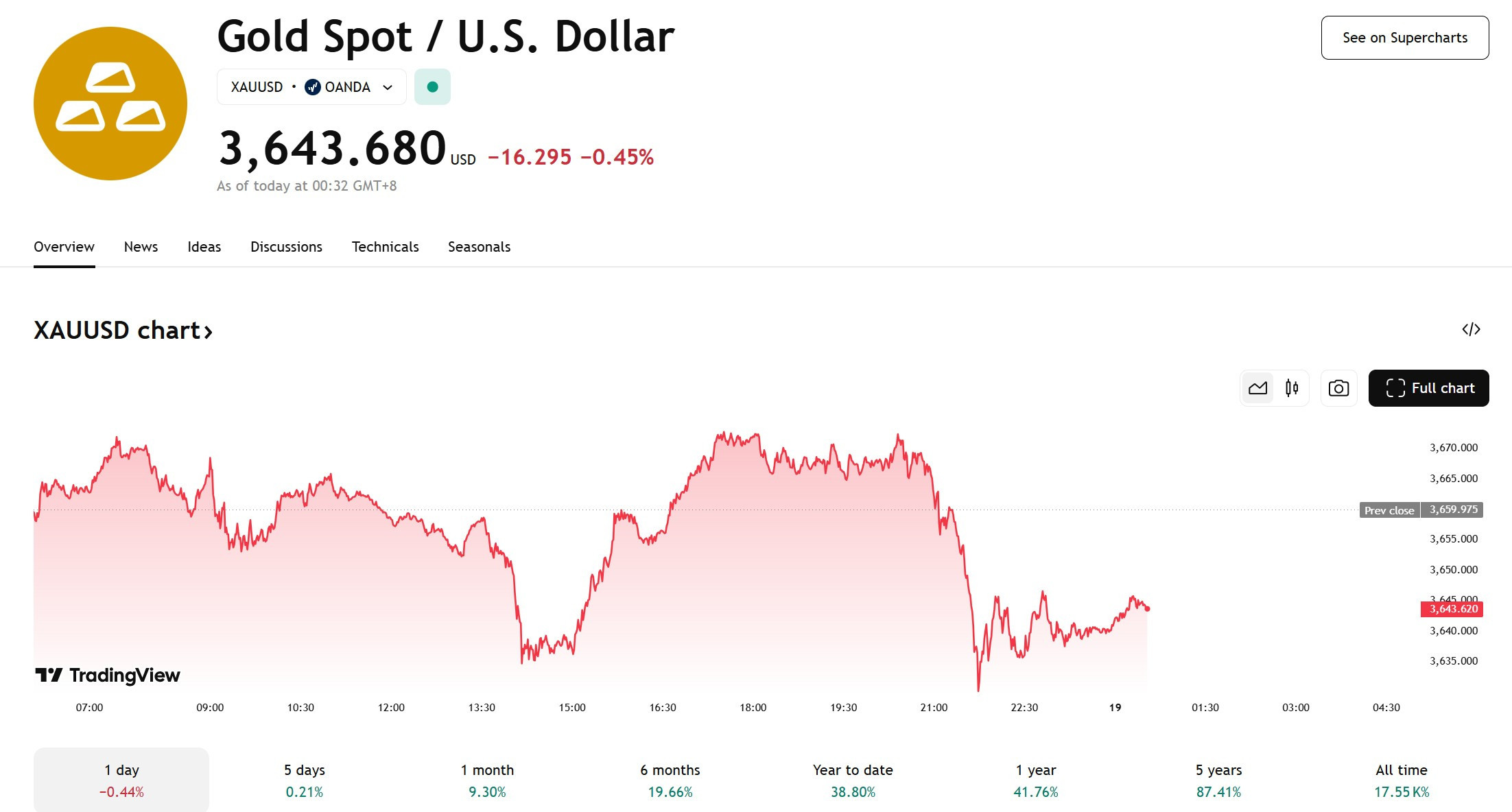
Practical investor guide
Reassess positions that ran up pre-cut; technical pullbacks are likely. Prioritise businesses that can convert AI or capex narratives into measurable revenue and margin gains. A steeper curve tends to favour financials and cyclicals; long-duration growth faces pressure. Account for FX risk: a stronger dollar can erode overseas revenues and commodity returns.
Use gold tactically for short-term moves but retain it as a strategic hedge given central bank purchases and geopolitical uncertainty.
What risks should investors watch and what comes next?
Watch CPI, payrolls and earnings: they will determine whether the Fed stays on a gradual path. Earnings season is the proving ground — firms must deliver cash flow, not just promise. Tariff-driven cost pressures or geopolitical shocks could force policy repricing and spike volatility.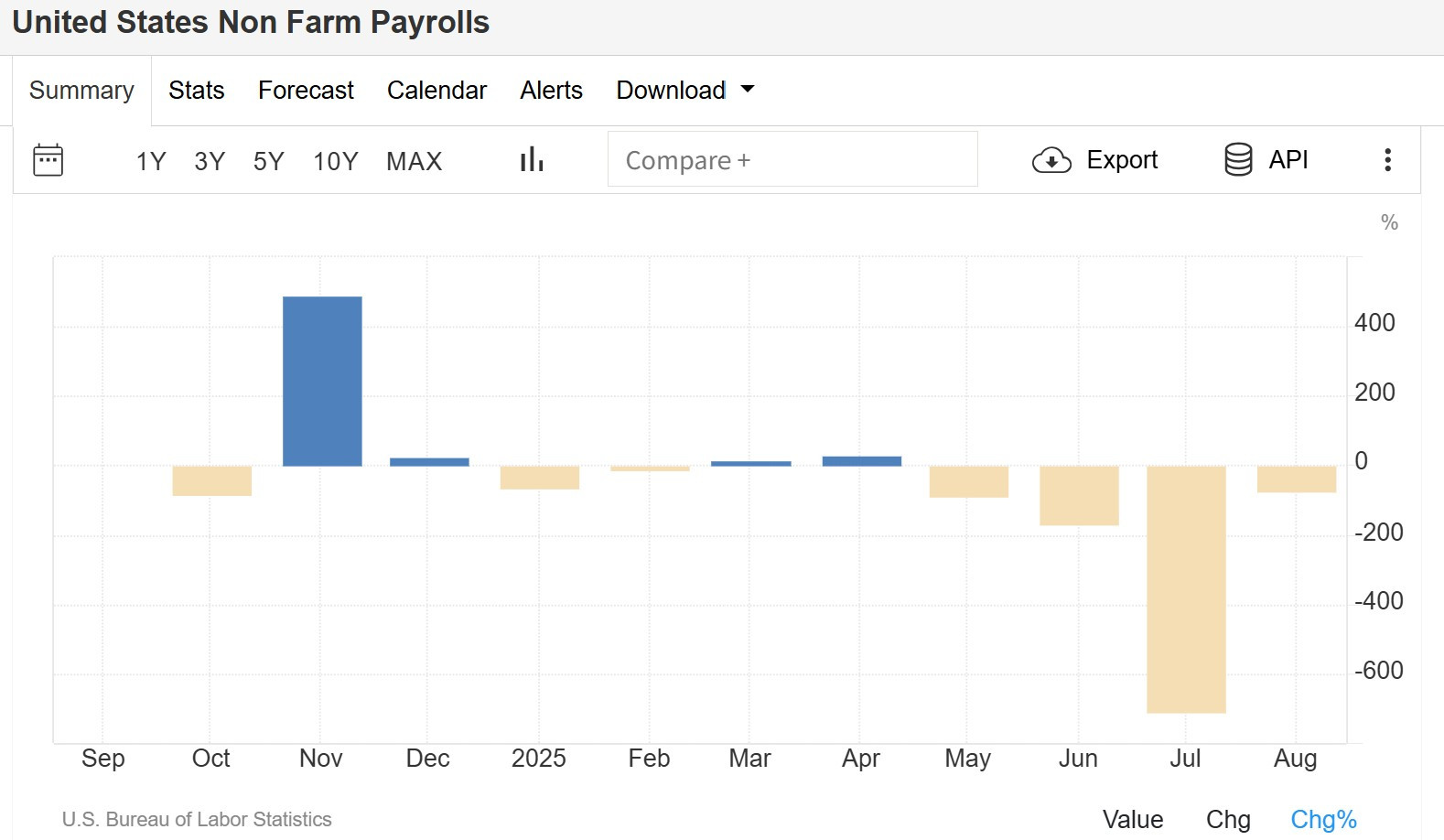
Bottom line
The 25bp cut ends the “policy waiting” phase and starts a verification phase. Markets must now be driven by fundamentals — earnings, data and real cash flows — rather than policy speculation. Expect differentiated performance across assets and regions; disciplined selection and attention to yield-curve and currency dynamics matter more than chasing headline-driven momentum.