
Nvidia Drops $5 Billion On Intel Shares: 25 Years Ago Intel Was King, Now It’s Flipped

On September 18, Nvidia announced on its website that it’s investing $5 billion in Intel and teaming up to work on AI infrastructure and PC products.
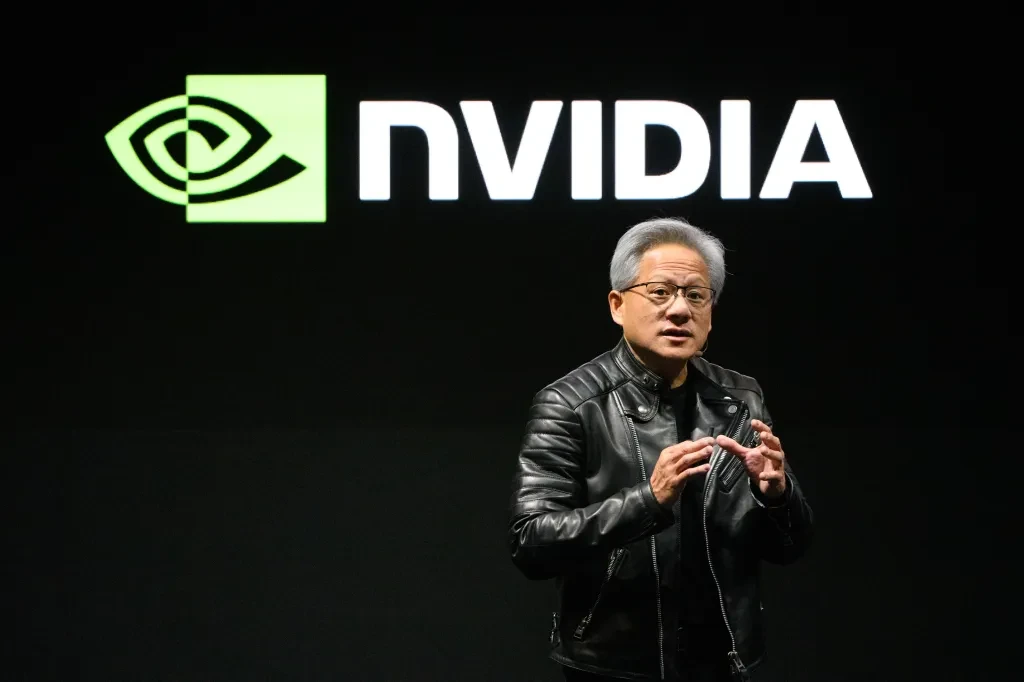
The deal has Intel making custom x86 CPUs for Nvidia’s AI platforms in data centers, while Intel will produce x86 chips with Nvidia’s RTX GPUs for PCs. They didn’t say when products will hit the market, and this won’t mess with their separate plans.
Intel’s stock shot up over 22% at close on September 18.
Nvidia joins Intel’s shareholder club
Nvidia’s buying Intel shares at $23.28 each, about 6.5% below Intel’s Wednesday close of $24.9, but higher than the $20.47 the U.S. government paid last month for a 9.9% stake worth $8.9 billion, making it one of Intel’s biggest shareholders via CHIPS Act funds.
After the deal, Nvidia will likely own over 4% of Intel, becoming a major player.
“This is a big deal, blending Nvidia’s AI and computing power with Intel’s CPUs and huge x86 ecosystem. We’re setting the stage for the next era of computing,” Nvidia CEO Jensen Huang said in a press release.
Intel CEO Pat Gelsinger added: “Big thanks to Jensen and Nvidia for the vote of confidence with this investment. We’re excited to team up and keep innovating for customers. Intel’s x86 has been the backbone of computing for decades, and we’re building for future workloads.”
The deal needs regulatory approval and doesn’t include Intel’s foundry making Nvidia chips. Huang and Gelsinger will talk more at a 1 p.m. ET press conference.
White House advisor Hassett said he hadn’t heard about any Nvidia-Intel deal talks.
AMD’s stock dove over 5% pre-market, as the Nvidia-Intel chip combo could hit AMD’s AI server plans hard. TSMC also dropped over 2% pre-market, as the deal might hurt its chipmaking business.
U.S. government got in first
Analysts say Nvidia’s stake gives Intel a fresh shot, after years of struggling to turn things around. Most think Intel’s foundry needs big clients like Nvidia, Apple, Qualcomm, or Broadcom to survive.
Intel already got a 10% stake from the U.S. government and $2 billion from Japan’s SoftBank. The government’s money came from $5.7 billion in unpaid CHIPS Act subsidies and a $3.2 billion grant, making it Intel’s top shareholder over BlackRock. It’s a passive stake with no board seats or control, and the government will back Intel’s board on most votes.
U.S. media called this another Trump move to shake up key industries, shifting from subsidies to owning stakes. Some critics say Trump’s meddling is creating new risks for companies.
Trump posted online that the U.S. got Intel shares worth $11 billion for free, calling it a “sweet deal” for both. At a White House briefing, he said Intel giving 10% to the government was “good for them” and made the U.S. “hundreds of billions in a snap.” He added, “Some call it shameful, but it’s not—it’s just business.”
Intel’s rough road
Intel used to rule as the world’s top chipmaker, but it missed big waves like GPUs and AI, falling behind Nvidia and AMD. In 2000, Intel’s market cap was $277 billion, 60 times Nvidia’s, ranking sixth globally. Over 20 years, it fumbled at key moments:
In 2005, CEO Paul Otellini pitched buying Nvidia for $2 billion, but the board shot it down.
In 2006, Otellini turned down an iPhone chip deal with Steve Jobs over a $1 price dispute, missing the iPhone boom.
In 2018, CEO Bob Swan misjudged generative AI, passing on a $1 billion deal for 15% of OpenAI, now worth $500 billion.
Intel’s latest Q2 revenue was $12.9 billion, up a bit from $12.8 billion, beating expectations, but it posted a $2.9 billion loss, including $1.9 billion in restructuring, $800 million in write-downs, and $200 million in one-off costs, with a GAAP loss of $0.67 per share and non-GAAP loss of $0.10, missing forecasts. That’s six straight quarters of losses, a 35-year record.
Intel got kicked out of the Dow Jones Industrial Average in November 2024, replaced by Nvidia. Intel’s stock crashed 60% last year, while Nvidia’s rocketed 171%. Intel’s market cap is now less than a thirtieth of Nvidia’s.$INTC $NVDA