
Market surprise ahead: Could a Fed that tolerates more inflation spark bigger-than-expected U.S. profits?

Morgan Stanley argues that markets may be underestimating how much U.S. corporate earnings can rise. Falling wage pressures, returning operating leverage and pockets of suppressed demand are already pushing earnings revisions higher.
If the U.S. economy moves into a recovery next year and the Fed embraces a more inflation-tolerant stance — including further rate cuts — corporate revenue and profit growth could materially outpace current expectations.
Key Points
- Earnings-revision breadth has accelerated sharply: a 3-month change of +35%, a pattern seen only in early post-recession cycles.
- Russell 3000 median EPS has moved to +6% after a long period of stagnation.
- Falling wage growth is restoring operating leverage without the sharp unemployment spikes typical of past cycles.
- Suppressed demand is visible across housing, short-cycle industrials, consumer goods, transport and commodities.
- Morgan Stanley expects the Fed in 2026 to show higher tolerance for inflation and to continue cutting rates, a combination that would likely boost revenues and profits.
Why this matters right now: isn’t the recession story over?
Morgan Stanley says the era of rolling, sector-by-sector declines has ended. The bank points to a historical pattern: the recent surge in earnings-revision breadth (+35% on a three-month basis) typically shows up only when the economy shifts from recession recovery into an early expansion. That signals the market may be behind the curve on how quickly corporate results can reaccelerate.
If earnings accelerate, stock returns that depend on those profits can be much stronger than consensus expects — but that outcome hinges on policy and activity staying aligned with the early-cycle backdrop.
Is this real operating leverage?
Falling payroll costs and improving operating leverage are central to Morgan Stanley’s view. After months of muted or negative median EPS growth, the Russell 3000’s median EPS has turned positive and now stands around +6%.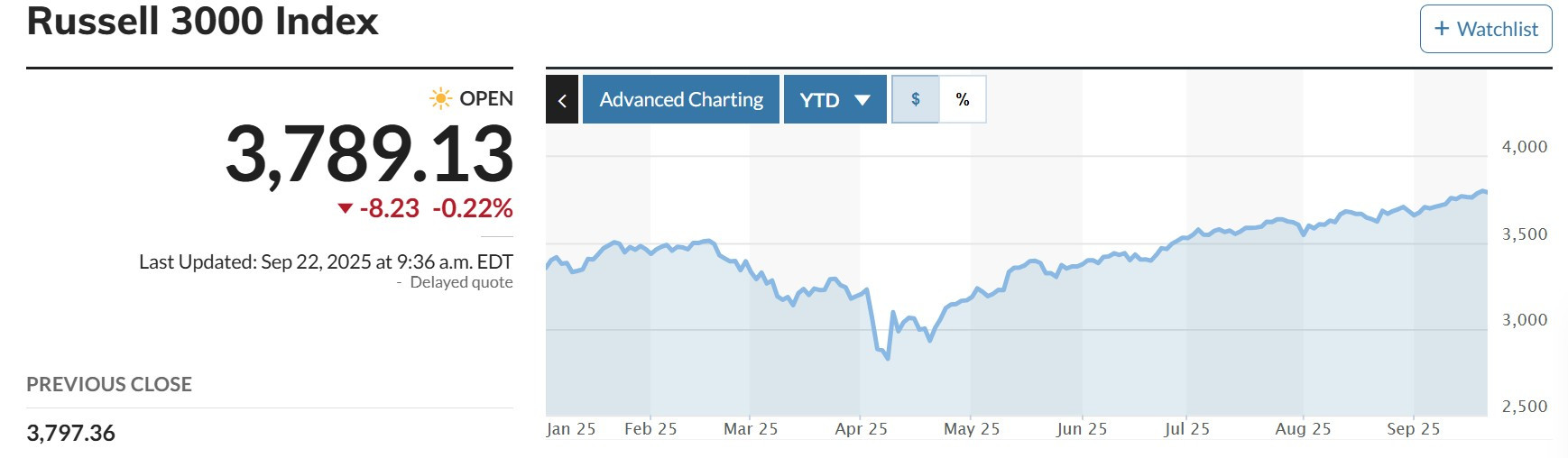
Cost declines — particularly in wages — reduce a large component of corporate expense structures, letting margins expand as revenues stabilize or rise.
Crucially, Morgan Stanley notes the second derivative of wage growth has been declining since 2023 without a sharp, nonlinear rise in unemployment, making this operating-leverage comeback atypical but supportive.
Where is the demand hiding? Which sectors look “suppressed”?
The bank highlights several areas where demand was weak and is now showing signs of release: housing, short-cycle industrials, consumer goods, transportation and commodities. These pockets can drive cyclical revenue gains once activity resumes, amplifying margin benefits from lower wage growth.
Such sectoral rebounds, paired with improved pricing power, are exactly the type of inputs that can tilt consensus profit trajectories higher.
What about the Fed: higher inflation tolerance in 2026 — what does that mean?
Morgan Stanley’s key conditional thesis is that the Fed will be more tolerant of persistent inflation in 2026 and will continue to cut rates.
In that scenario, a “hotter” policy stance — intentionally allowing somewhat stronger inflation as the economy recovers — would lower real rates, help credit conditions and support revenue and pricing power for firms.
The report stresses the link between producer prices and sales growth: PPI leads S&P 500 sales growth by roughly four months, implying that if inflation nudges up but the Fed stays accommodative, corporate top lines could see a meaningful boost.
Returning to core after the Fed cut
Following the Fed’s first 25-bp cut in nine months, attention has shifted back to fundamentals. Wall Street upward revisions over the summer, retail spending surprises and stronger short-term GDP signals (e.g., Atlanta Fed’s GDPNow moving from 2.3% to 3.3%) have analysts and investors more sanguine about the near-term outlook.
Asset managers are increasingly focused on earnings and economic momentum again, betting that the Fed’s “risk-management” approach to easing could let profits recover without an accompanying hard landing.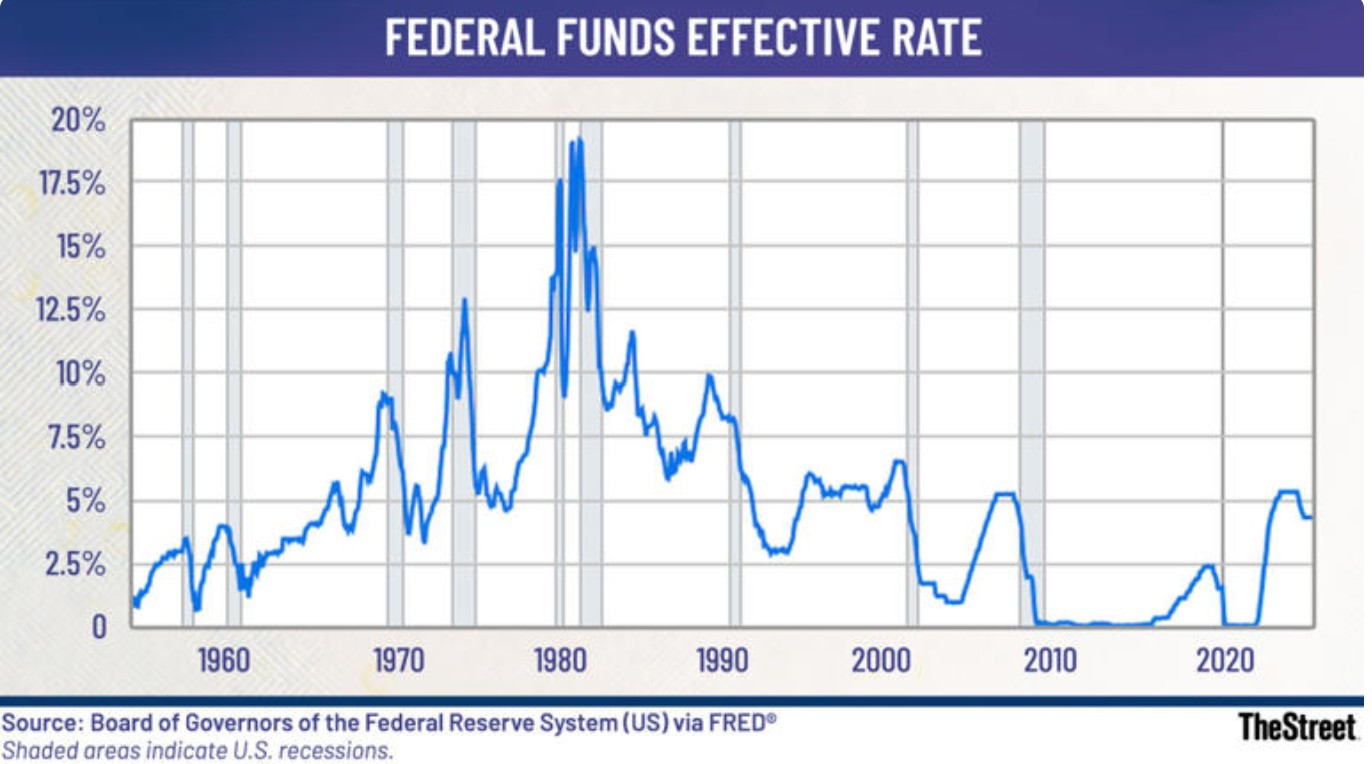
Is this broadly based — or concentrated in a few big tech names?
Earnings improvements are not evenly distributed. Tech, notably the mega-cap “Magnificent Seven,” still account for a large slice of expected profit growth in the S&P 500.
Morgan Stanley notes that while index-level forecasts are improving, the breadth matters: small-cap outperformance historically requires the Fed to be “ahead of the curve” (federal funds below two-year yields), a condition not yet met and currently about 65 basis points away.
Hence broad participation in a sustained rally depends on both continued earnings-revision breadth and a structural move in yield dynamics.
What risks should investors watch?
Morgan Stanley flags several watchpoints. Bond volatility and shifts in the SOFR–federal funds spread could be early signs of market repricing that threaten equities.
Rising inflation that prompts a policy pivot would undermine the easing narrative. Third, if AI investment and technology fail to meaningfully lift productivity and profits, concentrated earnings gains could disappoint broad market expectations.
Also, companies’ commentary on tariff pass-throughs will be important as earnings seasons roll out — any sign that trade-related costs are eroding margins would undercut the upbeat scenario.
What to monitor next: practical signals that matter
1.Earnings-revision breadth (momentum, three-month changes).
2.Wage-growth second derivative and labor-market indicators (JOLTS, hiring diffusion, temporary help).
3.Producer prices versus S&P 500 sales (PPI leads sales by about four months).
4.Bond market signals: SOFR–fed funds spread and headline bond volatility.
5.Management commentary on tariffs and cost pass-through during upcoming quarterly calls.
These indicators reflect the exact mechanisms Morgan Stanley highlights as critical to whether an earnings reacceleration becomes durable.
Is this a bull case investors can trust?
Morgan Stanley lays out a plausible and internally consistent bull case: falling wage pressures, returning operating leverage, pockets of pent-up demand and an anticipated Fed that tolerates somewhat higher inflation in 2026 could combine to lift revenues and profits well above current consensus.
The bank’s empirical signals — especially the +35% jump in earnings-revision breadth — support the narrative that we may be entering an early-cycle phase.
That said, the scenario is conditional. Investors should watch the bond market, labor data and corporate commentary closely; shifts there are the most likely early warnings that the optimistic path may be at risk.